NASA Activates ORBIT Challenge Season Two: Student Research Submissions Open
NASA has officially opened applications for the second season of the ORBIT student challenge, inviting academic cohorts to contribute to active space research and mission-critical technology development.
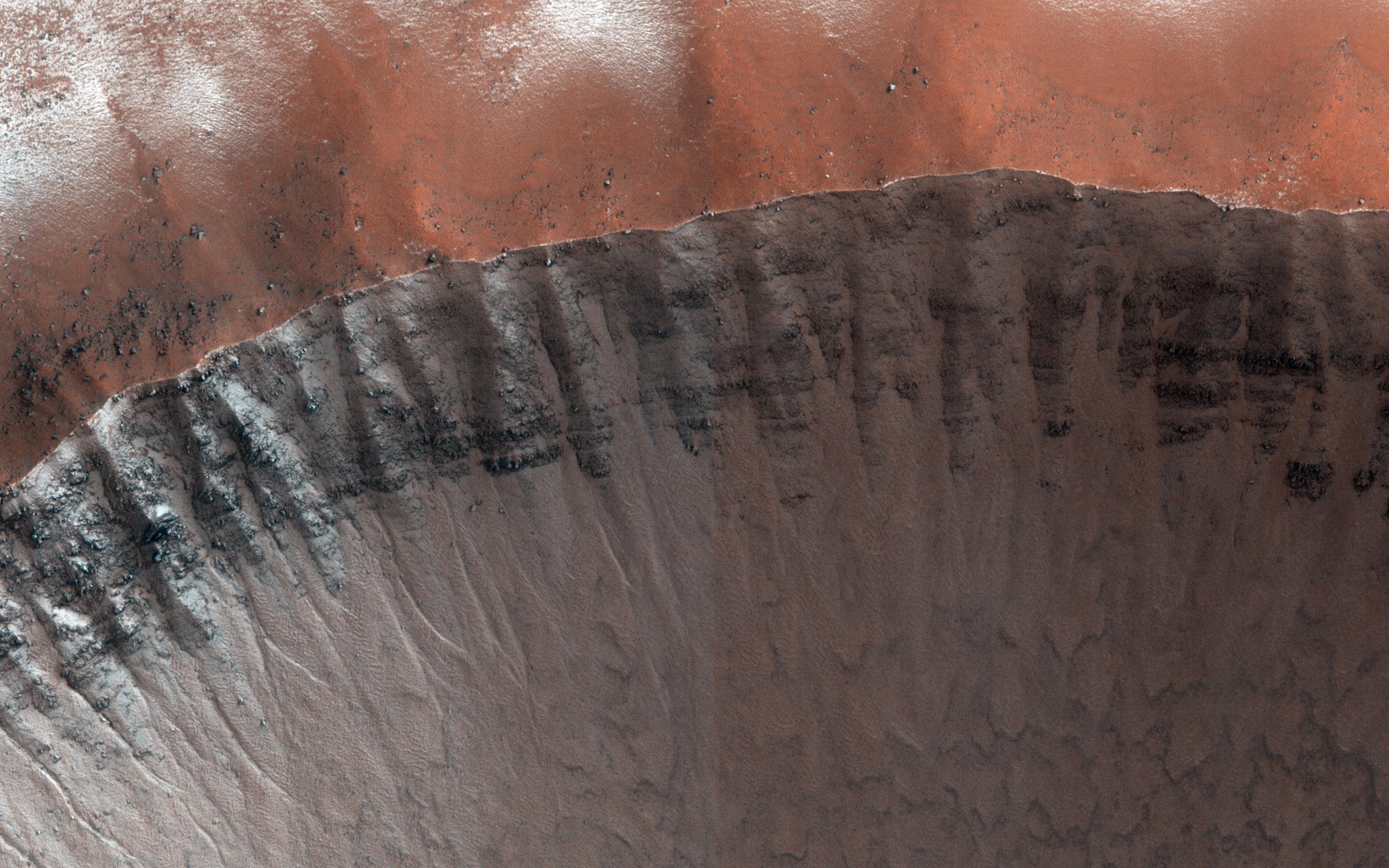
DATA TRANSMISSION: NASA EDUCATIONAL OUTREACH
According to NASA Breaking News, the agency has formally initiated the application window for the second season of the ORBIT student challenge. This specialized research program serves as a strategic pipeline, integrating student-led innovation into the broader NASA technology framework.
MISSION PARAMETERS
The ORBIT (Opportunities for Research and Biological Investigations Training) initiative is designed to provide academic institutions with a direct interface to space exploration challenges. Participants are tasked with developing research proposals that address current technical hurdles in aeronautics, Earth science, and deep-space survival. This season follows a successful inaugural period, further expanding the agency's reliance on external academic intelligence to bolster its mission portfolio.
OPERATIONAL CATEGORIES
Applicants are encouraged to align their submissions with key NASA priorities, including:
Artemis Support: Innovations for lunar surface sustainability.
Biological & Physical Sciences: Microgravity experiments and life-support refinement.
Aeronautics Research: Advancements in air traffic solutions and supersonic flight.
Earth Monitoring: Data-driven approaches to climate change and planetary health.
SUBMISSION PROTOCOL
Educational institutions seeking to participate must navigate the formal application process through NASA’s learning resource portal. Successful proposals will grant students unique access to agency data, expert mentorship, and potentially, a pathway toward mission integration. As NASA accelerates its presence in the cislunar domain, these collaborative research efforts represent a critical component of the agency's long-term workforce development and technological evolution.