NASA Activates 19 Citizen Science Protocols for 2026
NASA expands its crowdsourced research infrastructure with 19 new citizen science proposals, decentralizing data analysis across planetary and heliospheric domains.
DATA TRANSMISSION: STRATEGIC SCIENTIFIC EXPANSION
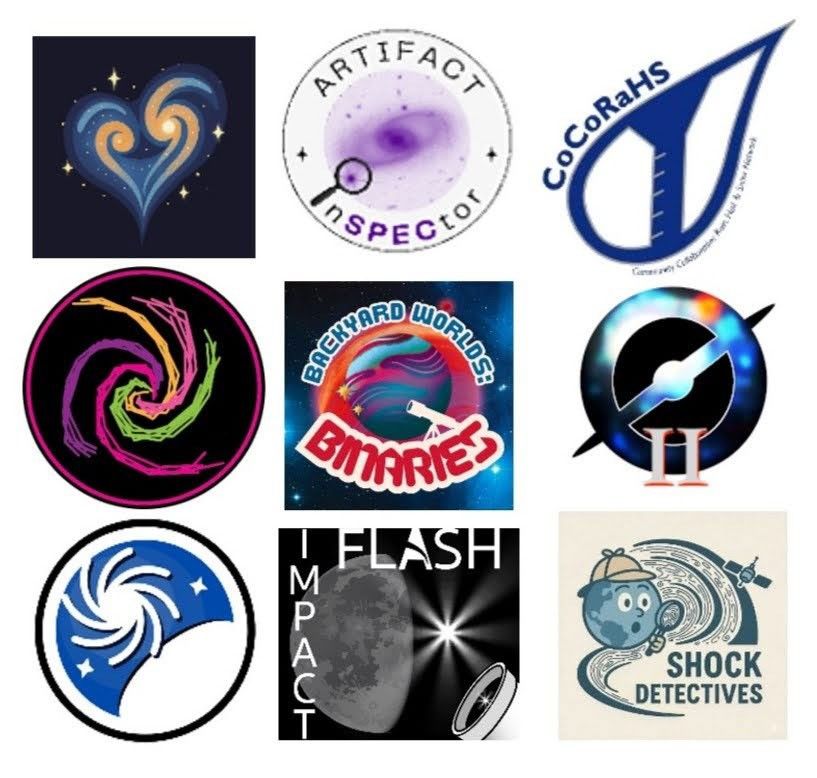
NASA is decentralizing its analytical throughput. According to NASA Breaking News, the agency has finalized the selection of 19 new citizen science proposals slated for activation in 2026. This initiative shifts massive data processing tasks from centralized agency cores to the global public, utilizing crowdsourced logic to accelerate scientific discovery.
MISSION SCOPE
The 2026 cohort covers a diverse array of orbital and planetary disciplines. Key focal points include Earth observation, solar system mechanics, and deep-space astrophysics. By integrating civilian observers into the mission architecture, NASA seeks to identify anomalies in planetary datasets and monitor heliospheric fluctuations that automated algorithms may overlook.
OPERATIONAL INTEGRATION
These proposals are integrated into NASA’s broader Science Mission Directorate (SMD) framework. Selected projects will utilize data streams from active assets—including the James Webb Space Telescope and the International Space Station—to address specific research gaps. Participants will contribute to mapping asteroid trajectories, tracking climate variables, and cataloging exoplanetary candidates.
This expansion follows a trend of increasing reliance on distributed human intelligence to filter the torrent of telemetry coming from next-generation sensors. As automated systems become overwhelmed by the sheer volume of high-resolution data, the "citizen scientist" becomes a critical component in the agency's data-processing pipeline.