MUSCULAR ATROPHY IN MICROGRAVITY: THE LEO COST
Life on the International Space Station triggers rapid physiological degradation, forcing astronauts to combat significant muscle loss through intensive daily exercise protocols.
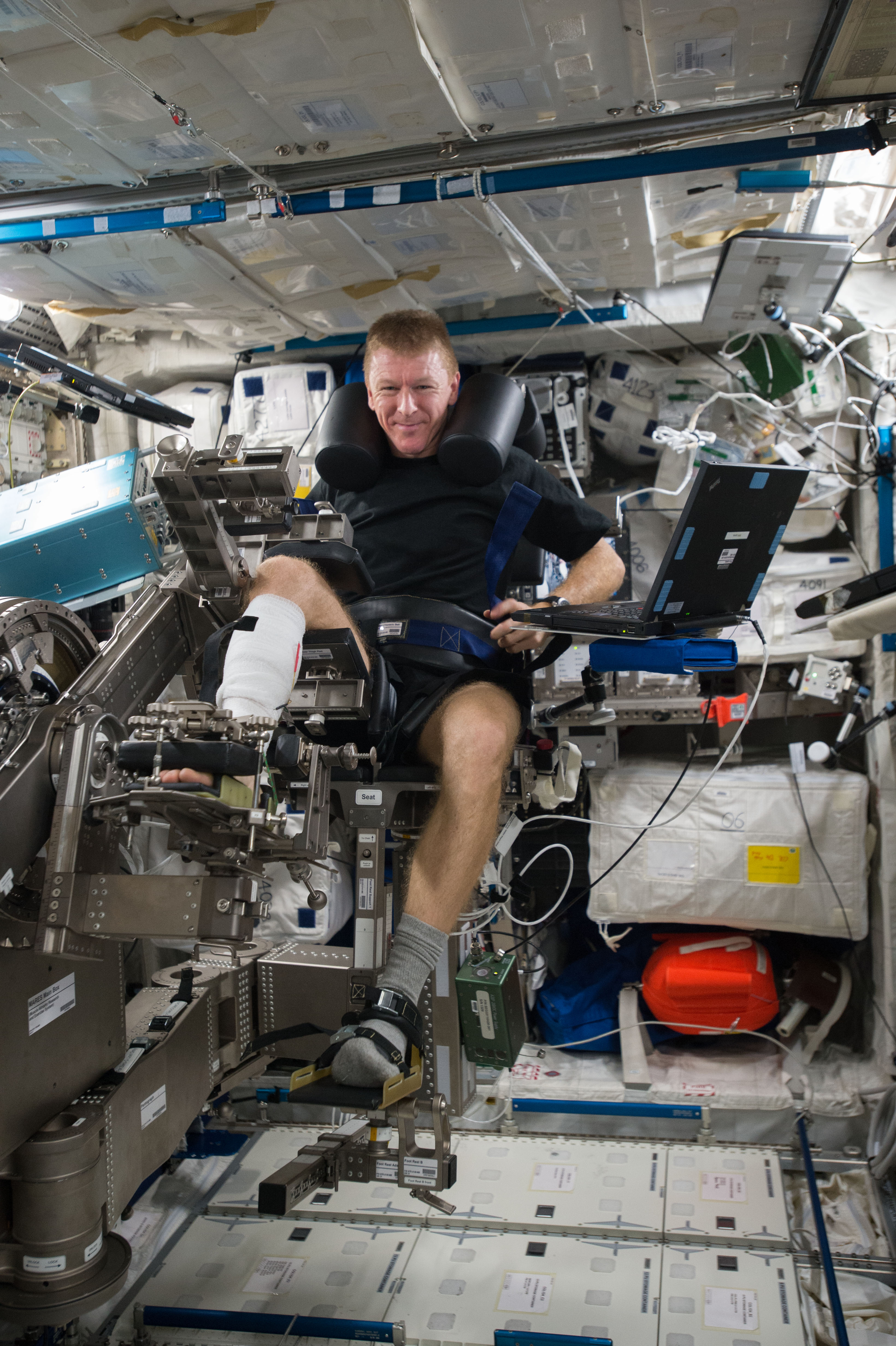
According to ESA YouTube, the absence of gravitational resistance on the International Space Station (ISS) initiates immediate physiological shifts. In terrestrial environments, human muscles—specifically those in the legs and back—constantly counteract Earth's gravity to maintain posture and facilitate locomotion. In a microgravity environment, these 'anti-gravity' muscles become redundant.
Data indicates that without rigorous intervention, astronauts can lose up to 20% of their muscle mass in as little as five to eleven days. The body, operating on a high-efficiency biological logic, begins to break down muscle tissue that is no longer being utilized. This atrophy does not just impact strength; it affects the structural integrity of the musculoskeletal system, complicating the return to a 1g environment.
To mitigate this degradation, European astronauts follow a strict two-hour daily exercise regimen. This includes high-resistance training and cardiovascular work using specialized equipment designed to simulate weight. Despite these protocols, maintaining pre-flight muscle density remains one of the primary challenges for long-duration missions to the Moon and Mars. The biological tax of Low Earth Orbit remains high, necessitating constant monitoring of astronaut health to ensure mission viability and successful planetary egress.