Mission Termination: Swift Gamma-Ray Burst Explorer Decommissioned
NASA concludes the Neil Gehrels Swift Observatory mission after two decades of high-energy orbital surveillance, leaving a massive data legacy for global astrophysics.
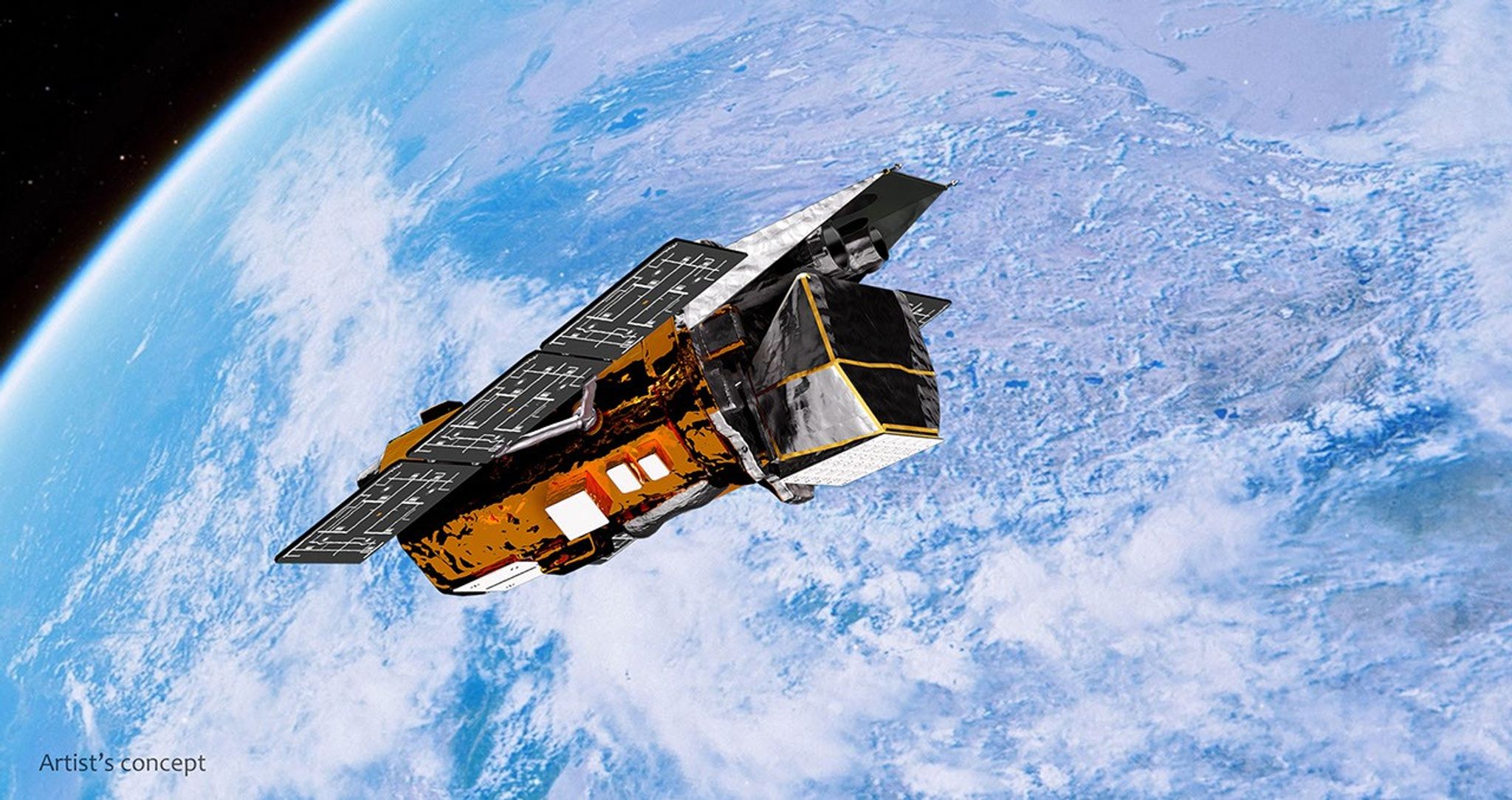
Orbital Status: Offline
The Neil Gehrels Swift Observatory has officially reached the end of its operational lifecycle. According to NASA Breaking News, the agency has concluded the Swift mission, terminating one of the most productive eras in high-energy astrophysics. Originally launched in 2004, the satellite was designed for a two-year primary mission to detect and localize gamma-ray bursts (GRBs); it exceeded its intended lifespan by nearly eighteen years.
Technical Legacy
Swift’s primary asset was its autonomous rapid-response capability. Upon detecting a high-energy transient, the spacecraft could reorient itself in seconds, bringing its X-ray and Ultraviolet/Optical telescopes to bear on the source. This multi-wavelength data allowed researchers to witness the transition from initial burst to fading afterglow in real-time. Throughout its tenure, Swift detected over 1,500 GRBs, providing the empirical data required to link short-duration bursts to neutron star mergers and long-duration events to the collapse of massive stars into black holes.
Data Bonanza
While the hardware is no longer active, the mission leaves behind what NASA describes as a "scientific bonanza." The archive contains hundreds of thousands of individual observations, ranging from solar system comets to distant quasars. This dataset remains a critical resource for European and international research institutions, providing a baseline for future high-energy missions like the ESA's upcoming Athena or Euclid’s deep-sky surveys. The mission's conclusion marks the closing of a primary window into the violent transients of the deep universe.