Mission Sunset: Decommissioning the Swift Observatory
NASA concludes the Swift mission after two decades of high-energy gamma-ray burst detection, marking the end of a critical era in multi-messenger astrophysics.
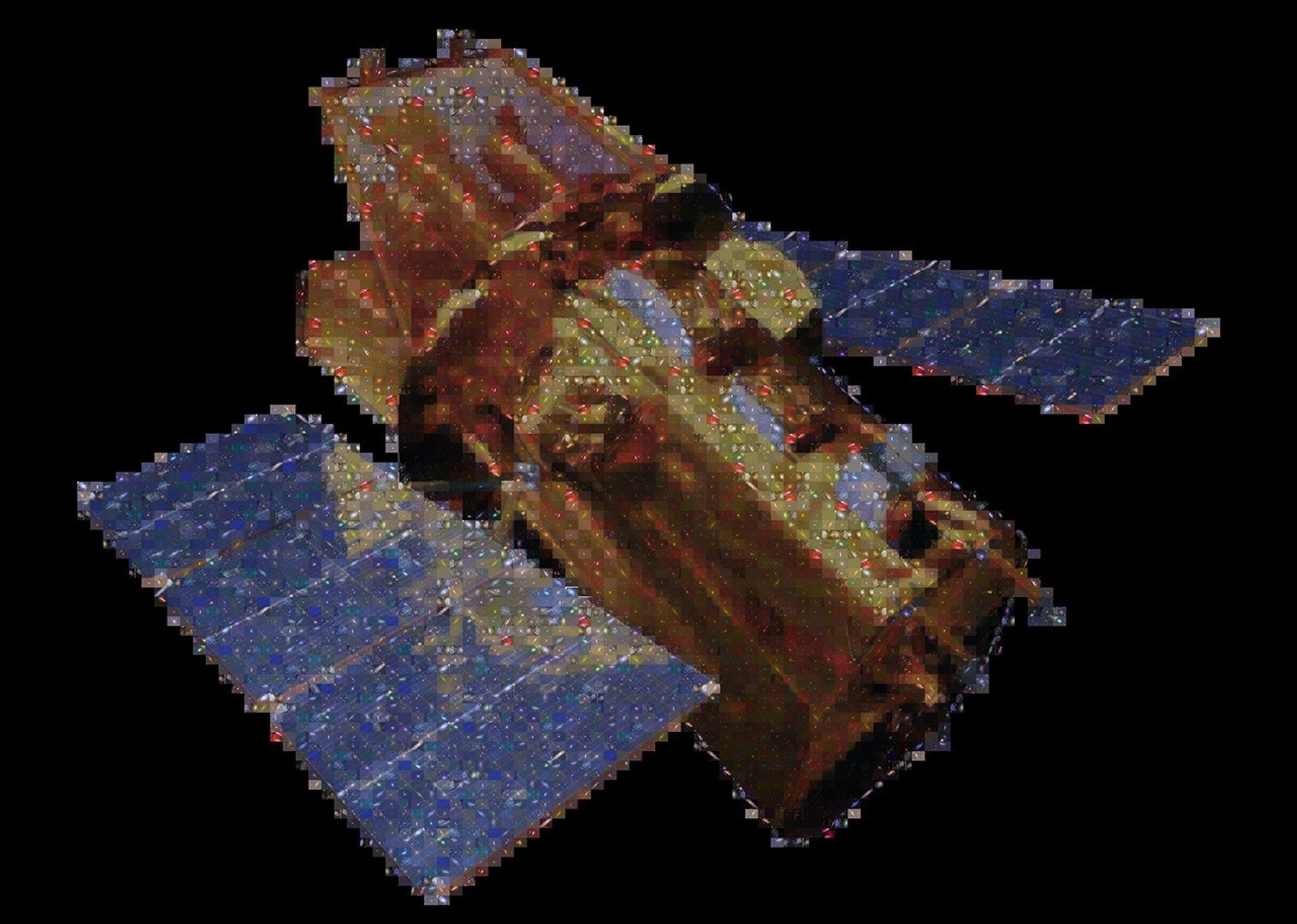
Terminal Phase Initiated
According to NASA Breaking News, the space agency has officially marked the conclusion of the Swift mission as of November 6, 2026. After more than twenty years of operational service, the observatory, known for its rapid-response detection of gamma-ray bursts (GRBs), moves into its final decommissioning phase. Swift has been a cornerstone of high-energy astrophysics, providing the global scientific community with instantaneous coordinates for the universe's most violent explosions.
Scientific Legacy
During its tenure, Swift redefined our understanding of transient phenomena. By integrating three distinct instruments—the Burst Alert Telescope, the X-ray Telescope, and the Ultraviolet/Optical Telescope—it allowed for seamless multi-wavelength observation of stellar collapses and black hole formations. The data harvested has been instrumental in refining models of the early universe and the lifecycle of massive stars.
Operational Transition
While the primary mission concludes, the archive remains a vital resource for deep-space research. The retirement of Swift coincides with a broader shift in NASA’s orbital priorities, including the ongoing optimization of the James Webb Space Telescope and the upcoming Roman Space Telescope. As the hardware reaches its end-of-life status, the focus transitions to the long-term analysis of its vast observational library. The hardware will eventually undergo atmospheric reentry, closing the log on one of the most successful high-energy survey missions in history.