Milky Way Dimensions Recalibrated: Galactic Bulge Surpasses Previous Estimates
New data analysis suggests the Milky Way is larger than previously calculated, necessitating a recalibration of our understanding of the galactic disk and its surrounding structures.
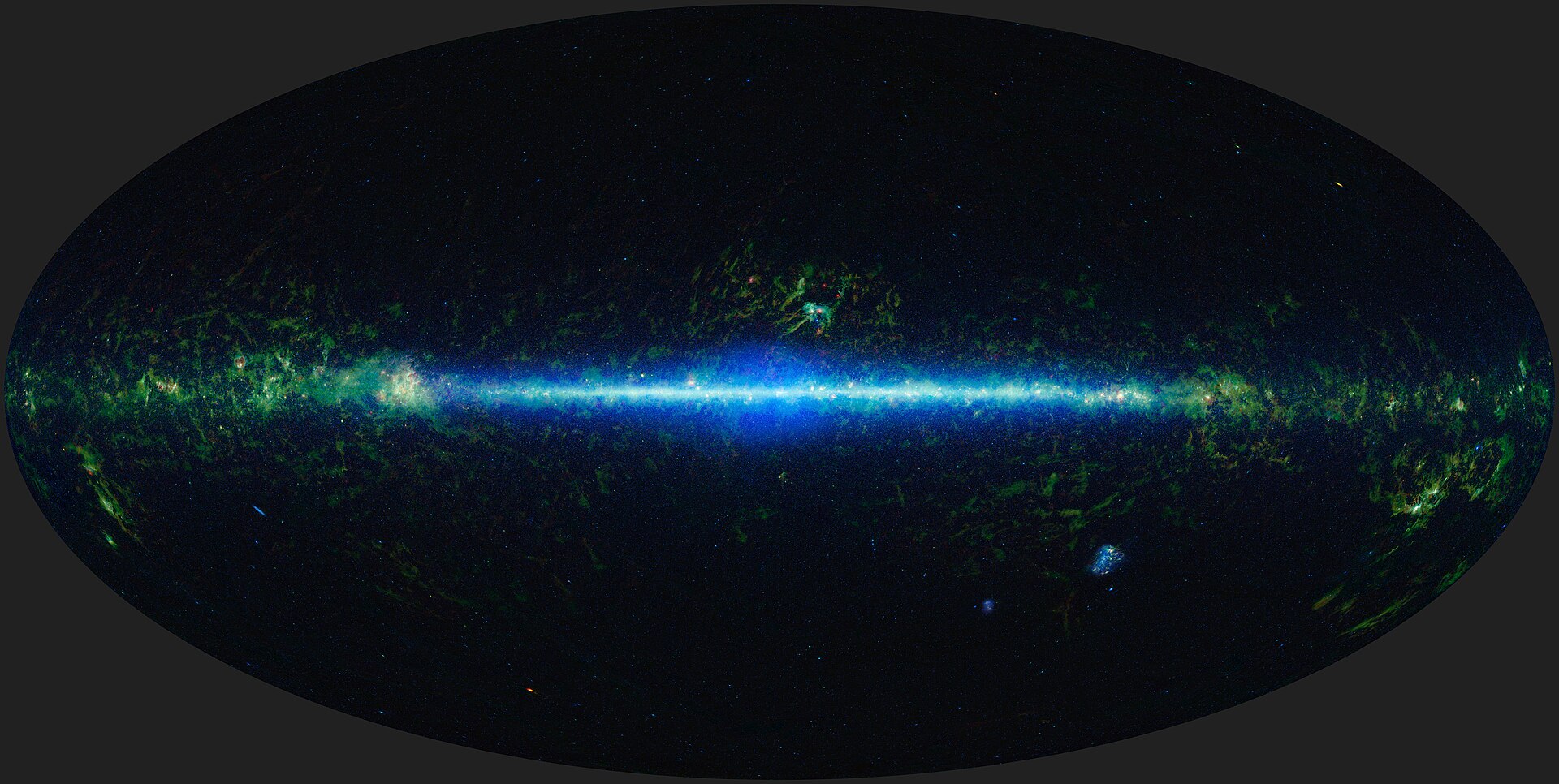
Galactic Reassessment
Recent analysis indicates that established measurements of the Milky Way’s physical dimensions require upward revision. According to reports from ESA YouTube, astrophysicists have determined that the scale of our home galaxy has been consistently underestimated in previous models. The revision focuses primarily on the reach of the galactic disk and the density of the stellar population at its furthest periphery.
The Data Shift
For decades, the standard model of the Milky Way’s radius was constrained by the limitations of terrestrial and early orbital observation. However, refined data processing of stellar motions and luminosity reveals that the galaxy's influence extends further into the intergalactic medium than once thought. The "edge" of the galaxy is not a hard boundary but a thinning gradient of stars and dark matter that occupies a significantly larger volume of space.
Implications for Local Group Dynamics
This recalibration changes more than just a figure in a textbook. A larger Milky Way suggests a greater total mass, which in turn affects the gravitational interaction between our galaxy and its neighbors, such as the Andromeda Galaxy (M31) and the Magellanic Clouds. These findings are critical for mapping the long-term trajectory of the Local Group and predicting the eventual collision between the Milky Way and Andromeda.
Precise measurements remain the cornerstone of ESA's mission to map the cosmos. As our understanding of the galaxy’s scale expands, so too does the complexity of our orbital mechanics and long-range trajectory calculations.