METOP-SG-B1 REACTIVATED FOR FINAL MISSION CHECKOUT
The European Space Agency has initiated the 'wake-up' sequence for the MetOp-SG-B1 satellite, marking a critical transition from storage to final pre-launch environmental testing.
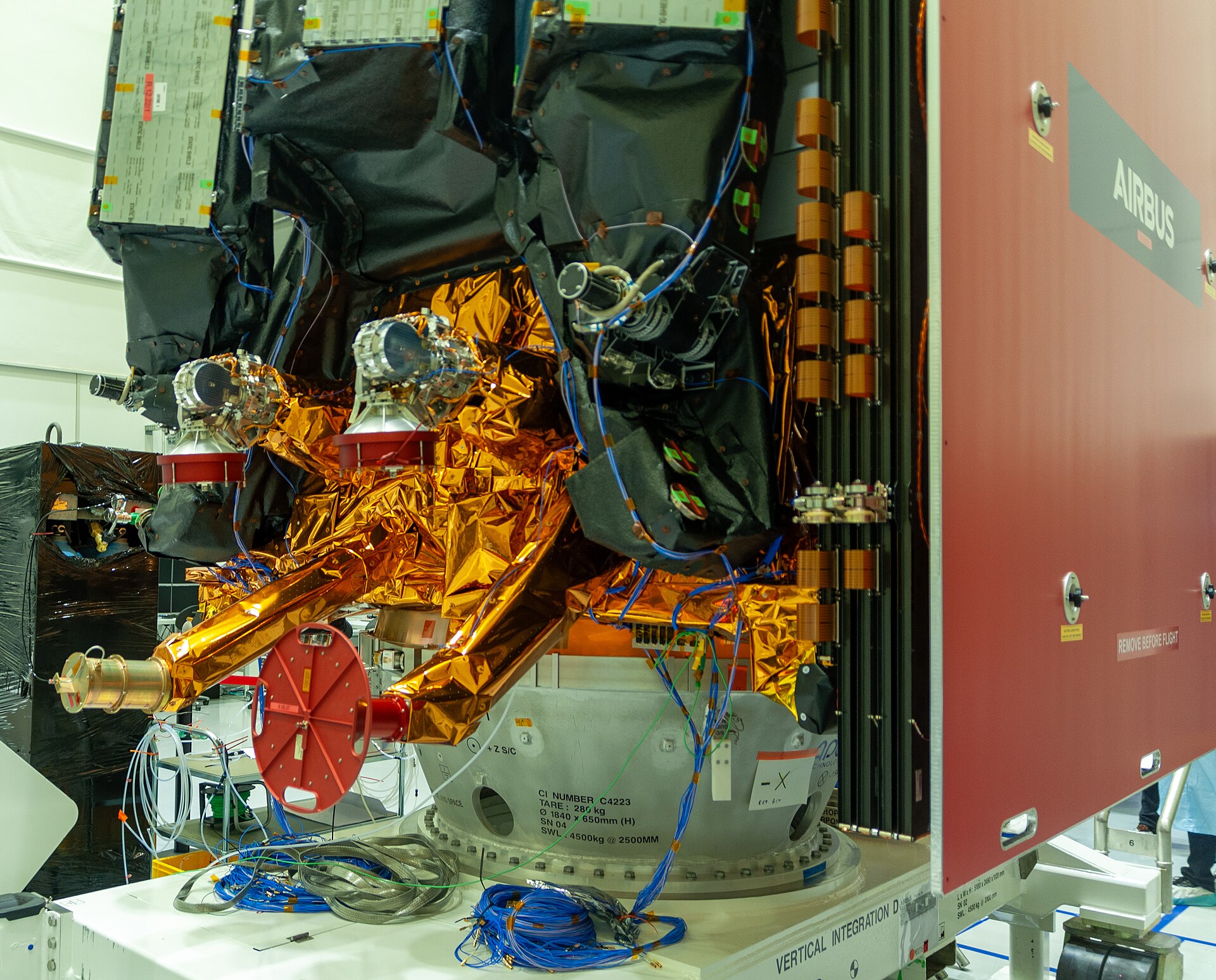
Systems Online: MetOp-SG-B1 Wake-Up
Europe’s next-generation meteorological sentinel, MetOp-SG-B1, has been officially reactivated. After a period of controlled dormancy following its assembly and initial testing phase, the satellite is undergoing a comprehensive power-on sequence. According to the European Space Agency (ESA), this reactivation is the prerequisite for the final battery of environmental tests designed to simulate the harsh conditions of orbital insertion.
Hardening for Orbit
The spacecraft is the second component of the MetOp Second Generation (MetOp-SG) fleet, a collaborative venture between ESA and EUMETSAT. This specific unit, the 'B' satellite, carries a suite of microwave instruments designed to peer through cloud cover and measure atmospheric moisture and temperature—data points critical for high-frequency numerical weather prediction.
Engineers at the testing facility are currently verifying the integrity of the satellite's internal subsystems. This phase ensures that the delicate sensors and bus electronics remained within nominal parameters during storage. Once internal diagnostics are clear, MetOp-SG-B1 will face thermal-vacuum and acoustic stress tests to confirm it can survive the thermal extremes of space and the vibrational violence of a rocket launch.
Atmospheric Intelligence
The MetOp-SG program represents a significant upgrade in European terrestrial monitoring capabilities. By providing higher resolution data than its predecessors, the B1 satellite aims to enhance the accuracy of storm tracking and climate modeling. Per ESA mission logs, the successful completion of these tests will clear the path for the satellite’s transport to the launch site, ensuring the continuity of polar-orbiting meteorological data through the 2030s and beyond.