Martian Mineral Isotopes Reveal Extreme Planetary Desiccation
NASA researchers analyzing magnesium-rich carbonates at Gale Crater have identified isotopic signatures that explain how Mars transitioned from a habitable landscape to a frozen desert.
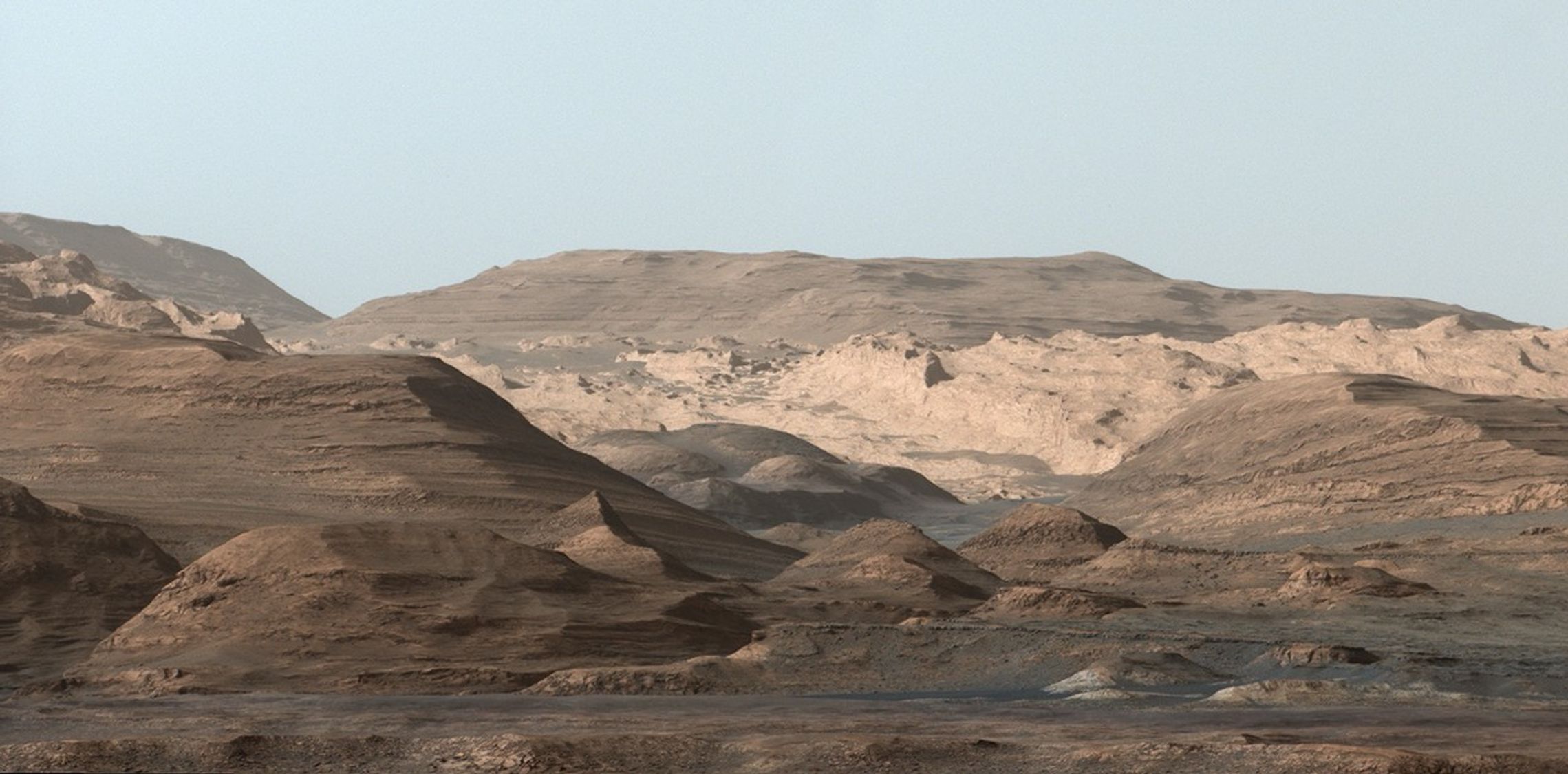
DATA OVERVIEW: GALE CRATER EVOLUTION
Recent analysis from NASA missions has identified a specific mineralogical marker that clarifies the ancient climatic shift of Mars. According to NASA Breaking News, researchers focused on magnesium-rich carbonates found within Gale Crater to reconstruct the planet's atmospheric history. These carbonates serve as chemical proxies, trapping data about the environment as they formed billions of years ago.
ISOTOPIC INDICATORS of ATMOSPHERIC LOSS
The research reveals that these minerals were likely created during intense evaporation cycles. By examining the ratio of light to heavy isotopes of carbon and oxygen, the team determined that Mars did not experience a single, uniform cooling event. Instead, the data suggests a series of "wet-dry" cycles characterized by extreme evaporation. As the lighter isotopes escaped the weakening Martian atmosphere into space, the remaining heavy isotopes were locked into the carbonate minerals.
CLIMATIC MODEL CONSTRAINTS
According to NASA, two primary scenarios for these formations were tested: transient wet-dry cycles and formation within a hypersaline, sub-freezing environment. The isotopic signatures—specifically the high concentrations of heavy isotopes—align more closely with an environment transitioning through severe desiccation. Currently, the Gale Crater minerals indicate a landscape that could only support intermittent liquid water before the total collapse of the habitable surface environment. This mineral record provides a definitive timeline for the planet's transformation into the sterile, high-radiation desert observed today.