Martian Dust Devils: Atmospheric Rotations Captured in High Resolution
New imaging data from Mars orbital platforms confirms the presence of dust devils, towering vertical vortices that move sediment across the Martian surface.
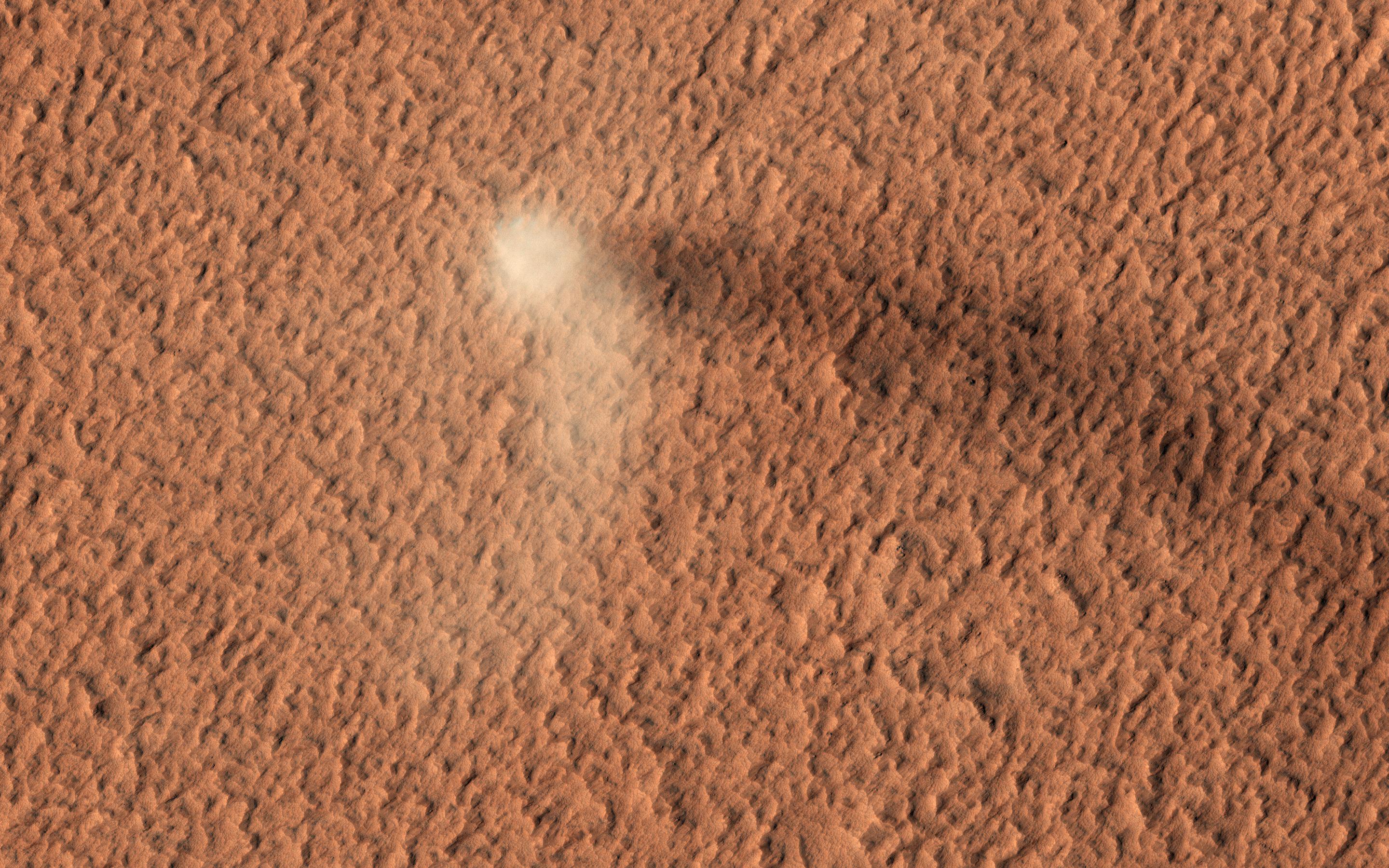
Orbital Surveillance Confirms Vortex Activity
Recent imaging data has reaffirmed the presence of powerful dust devils scouring the surface of Mars. According to the ESA YouTube channel, these atmospheric phenomena are not merely aesthetic curiosities but functional mechanisms of the Martian climate system. These vortices form when sunlight heats the surface, creating rising columns of warm air that begin to rotate as they encounter cooler atmospheric layers.
Mechanics of the Martian Cyclone
Unlike terrestrial tornadoes, which are often driven by massive storm fronts, Martian dust devils are solar-driven thermal events. They can tower several kilometers into the thin Martian atmosphere, though they appear ghost-like due to the low atmospheric density. These columns serve as a primary transport mechanism for fine-grained regolith, redistributing dust across the planet and altering the albedo of the surface.
Data Acquisition and Observation
High-resolution cameras aboard orbital assets—including the ExoMars Trace Gas Orbiter—have documented these shadows and tracks across various terrains, from the vast plains of Amazonis Planitia to the crater floors of the southern highlands. The tracks left behind by these vortices often appear as dark, dendritic streaks, revealing the darker material beneath the surface dust layer. Monitoring these events is critical for understanding the seasonal dust cycle and the long-term degradation of surface-based hardware.
Future Mission Implications
For future robotic and manned missions, dust devils represent both a hazard and a utility. While they can scour solar panels clean—as seen with the Spirit and Opportunity rovers—they also pose risks to sensitive meteorological instrumentation. Precise mapping of their frequency and intensity remains a priority for the European Space Agency and its international partners to ensure mission longevity in the Martian environment.