MARS ROTOR EVOLUTION: NASA TESTS HIGH-SPEED BLADES FOR EXTENDED FLIGHT
Engineers at NASA are developing advanced experimental rotor blades to push the limits of Martian aviation, targeting higher speeds and longer mission durations for future aerial explorers.
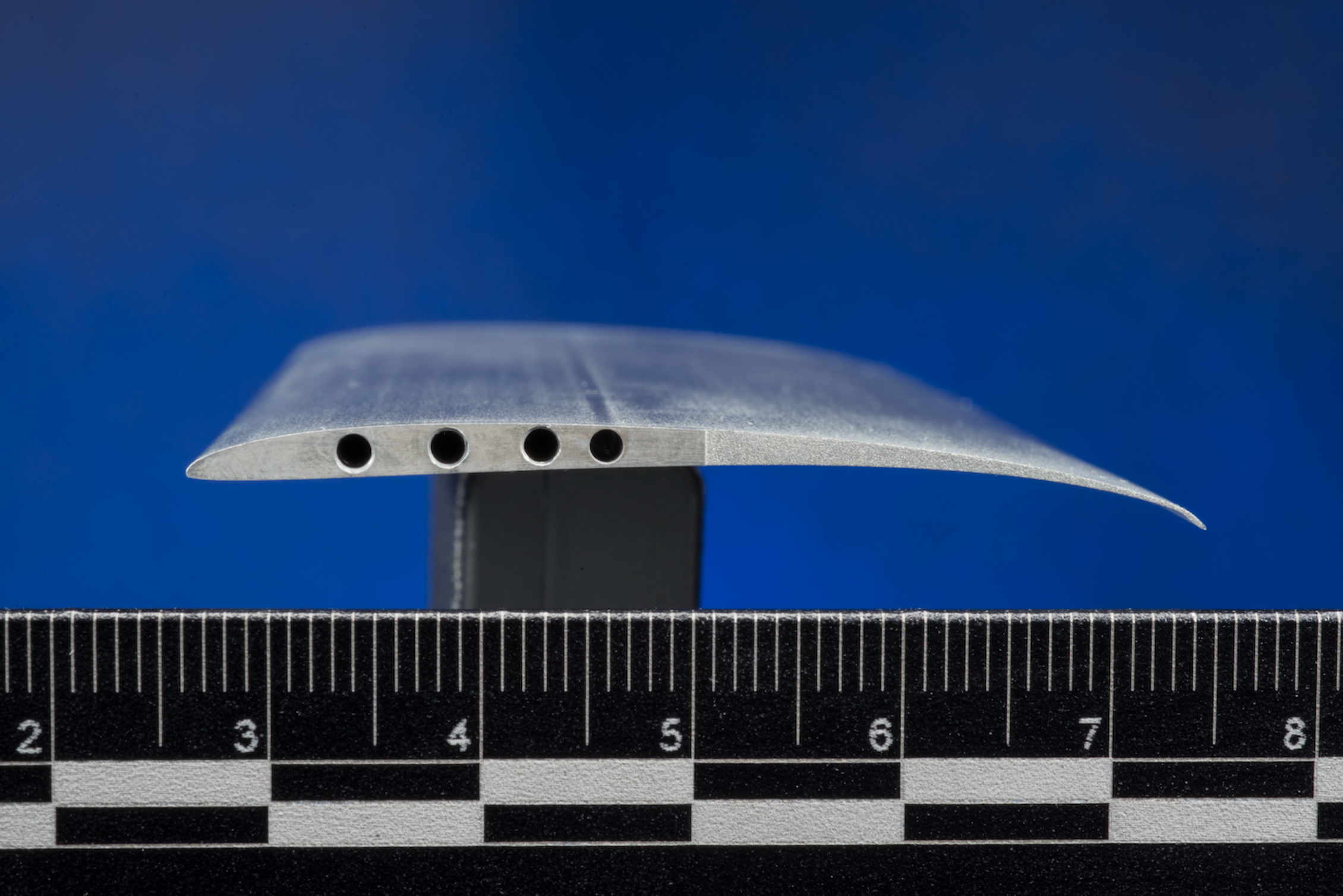
# NEXT-GEN ROTORS FOR THE RED PLANET
Data acquisition from the JPL 25-Foot Space Simulator confirms that the next phase of Martian aerial exploration is underway. According to NASA Breaking News, engineers are currently testing experimental carbon-fiber rotor blades designed to exceed the capabilities of the pioneering Ingenuity helicopter.
AERODYNAMIC OPTIMIZATION
The thin Martian atmosphere, measuring just 1% of Earth's density, necessitates extreme rotational velocities. While Ingenuity operated with blade tips approaching Mach 0.8, these new experimental designs are engineered to withstand higher aerodynamic stresses. The objective is to achieve higher lift-to-drag ratios at tip speeds that approach the supersonic regime in the cold CO2 atmosphere.
STRUCTURAL DURABILITY
Fabricated from advanced composite materials, the new blades feature a revised airfoil geometry. Testing in the simulated vacuum chamber—which mimics the thermal and atmospheric conditions of the Jezero Crater—has focused on aeroelastic stability. This prevents the destructive vibrations that can occur when rotor tips spin at near-sonic speeds in low-pressure environments.
MISSION IMPLICATIONS
These blades are not merely iterative upgrades; they are the baseline for future autonomous rotorcraft intended to carry heavier scientific payloads. By increasing flight endurance and speed, NASA aims to map vast swathes of the Martian surface that are inaccessible to traditional wheeled rovers. The transition from "tech demo" to "mission-critical scout" is now being forged in the wind tunnels of Southern California.