MARS HYDROLOGY: ANCIENT WATER SYSTEMS CONFIRMED
Evidence from NASA probes indicates Mars once supported a diverse and sophisticated network of hydrological cycles, challenging existing models of the Red Planet's early climate evolution.
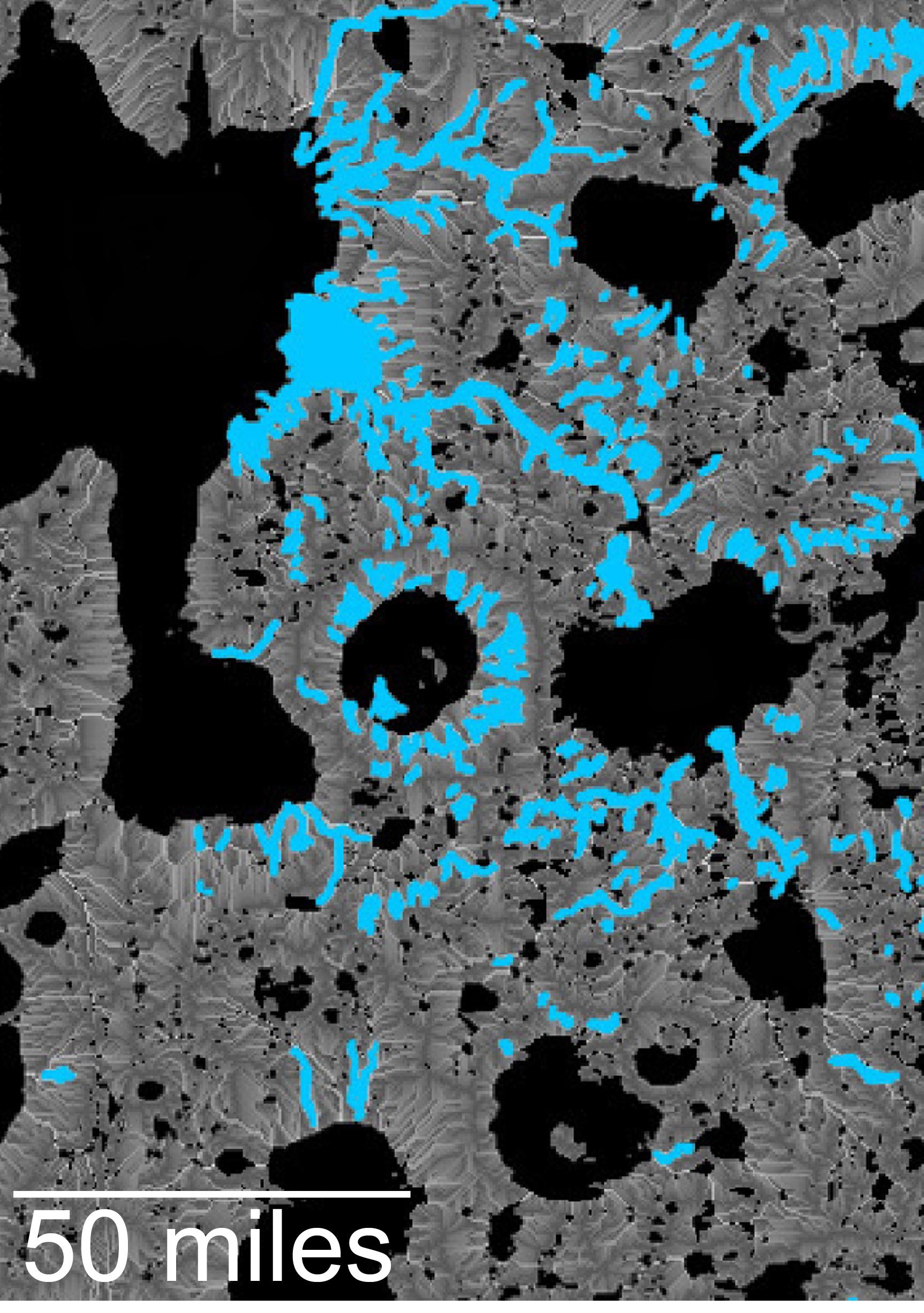
DATA LOG: RED PLANET HYDRO-CHRONOLOGY
Recent telemetry and geological analysis from NASA missions have fundamentally altered the consensus on Martian history. According to NASA Breaking News, researchers have identified evidence of complex water systems that operated across the Martian surface during its formative eons. This discovery suggests that early Mars was not merely a damp world, but one sustained by sophisticated, interconnected hydrological cycles.
ANALYSIS OF SURFACE HYDRAULICS
Data gathered from orbital reconnaissance and surface rover platforms indicates that water movement was not limited to isolated flood events. Instead, the crust exhibits signatures of prolonged fluvial activity, suggesting a dynamic atmosphere capable of maintaining surface liquid for extended periods. The identified systems include integrated drainage basins and potential groundwater recharge zones, indicating a multi-layered environmental architecture similar to early Earth.
SYSTEM IMPACT
The presence of these complex systems implies a stabilized climate capable of supporting long-term chemical weathering and sediment transport. While current Martian conditions remain desiccated and hostile, these findings prove the planet once possessed the thermal and atmospheric density required to host liquid water in various states—from surface runoff to deep-crust reservoirs.
NASA’s continued exploration of these paleohydrological sites aims to determine the exact duration of these cycles and their implications for past habitability. For the European aerospace sector, this data provides critical geomorphological benchmarks for upcoming missions tasked with deep-subsurface drilling and biosignature detection.