Mapping the Orbital Logistics Frontier: Servicing and Mobility Analysis
Industry leaders prepare to evaluate the future of on-orbit servicing, focusing on technical standardization, autonomous docking, and the commercial infrastructure required to sustain the new space economy.
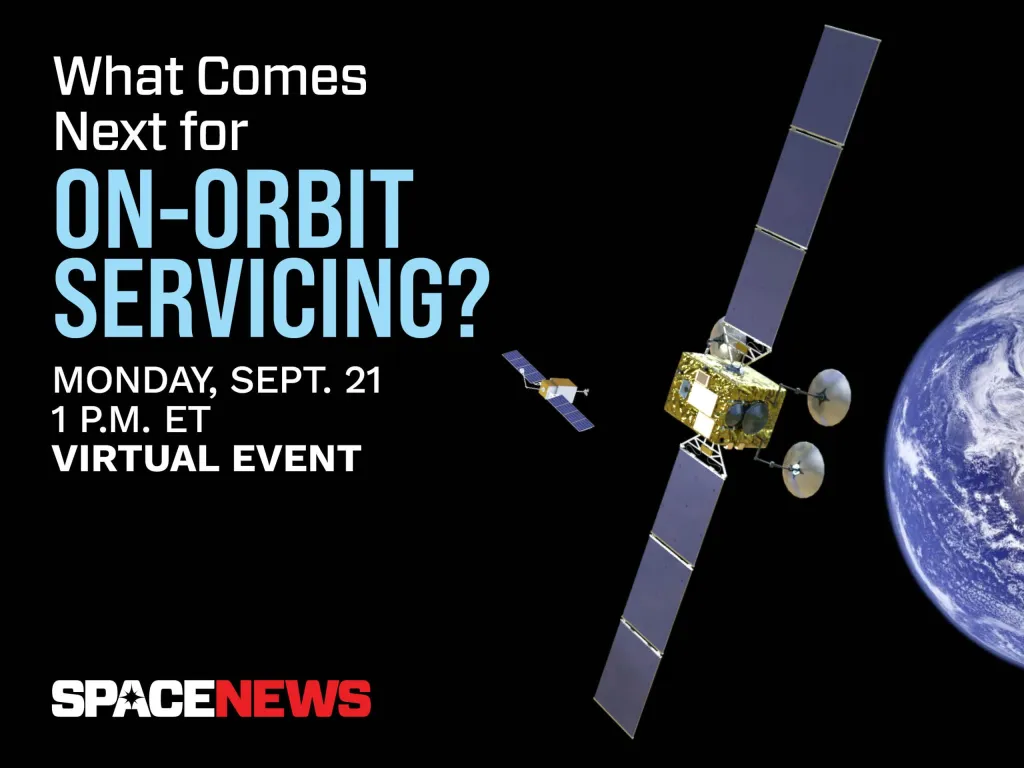
Terminal Access: Orbital Logistics Briefing
Operational capacity in Earth orbit is shifting from static deployments to active maintenance. According to SpaceNews, an upcoming strategic dialogue on September 21, 2026, will address the critical hurdles facing the In-Space Servicing, Assembly, and Manufacturing (ISAM) sector. While autonomous rendezvous, orbital transfers, and debris mitigation have moved from concept to demonstration, the path to a mature logistics ecosystem remains fragmented.
//Strategic Imperatives
The briefing focuses on three primary operational pillars:
1. Technical Interoperability: Establishing the hardware and software standards necessary for multi-vendor vehicle docking and robotic interaction.
2. Market Maturation: Identifying which segments—commercial space stations, lunar logistics, or military resilience—will drive initial profitability.
3. Governance: The role of government investment in de-risking commercial ventures and fostering a sustainable orbital economy.
//Operational Insights
Key speakers include Col. Scott Carstetter, Director of Servicing, Mobility, and Logistics at Space Systems Command. The session, moderated by SpaceNews senior writer Sandra Erwin, aims to bridge the gap between current technical demonstrations and a functioning in-orbit supply chain. The discussion will specifically target how these capabilities enhance military resilience and support deep-space exploration initiatives, including lunar surface logistics.
As the industry transitions from bespoke missions to standardized services, the definition of "resilient space operations" is being rewritten to include continuous maintenance and refueling capabilities.