Mapping the Martian Past: Teghaza 001 Origin Points Identified
New data-driven mapping has localized potential impact sites for Teghaza 001, one of the oldest Martian meteorites ever recovered, providing a rare window into the Red Planet’s early history.
DATA OVERVIEW
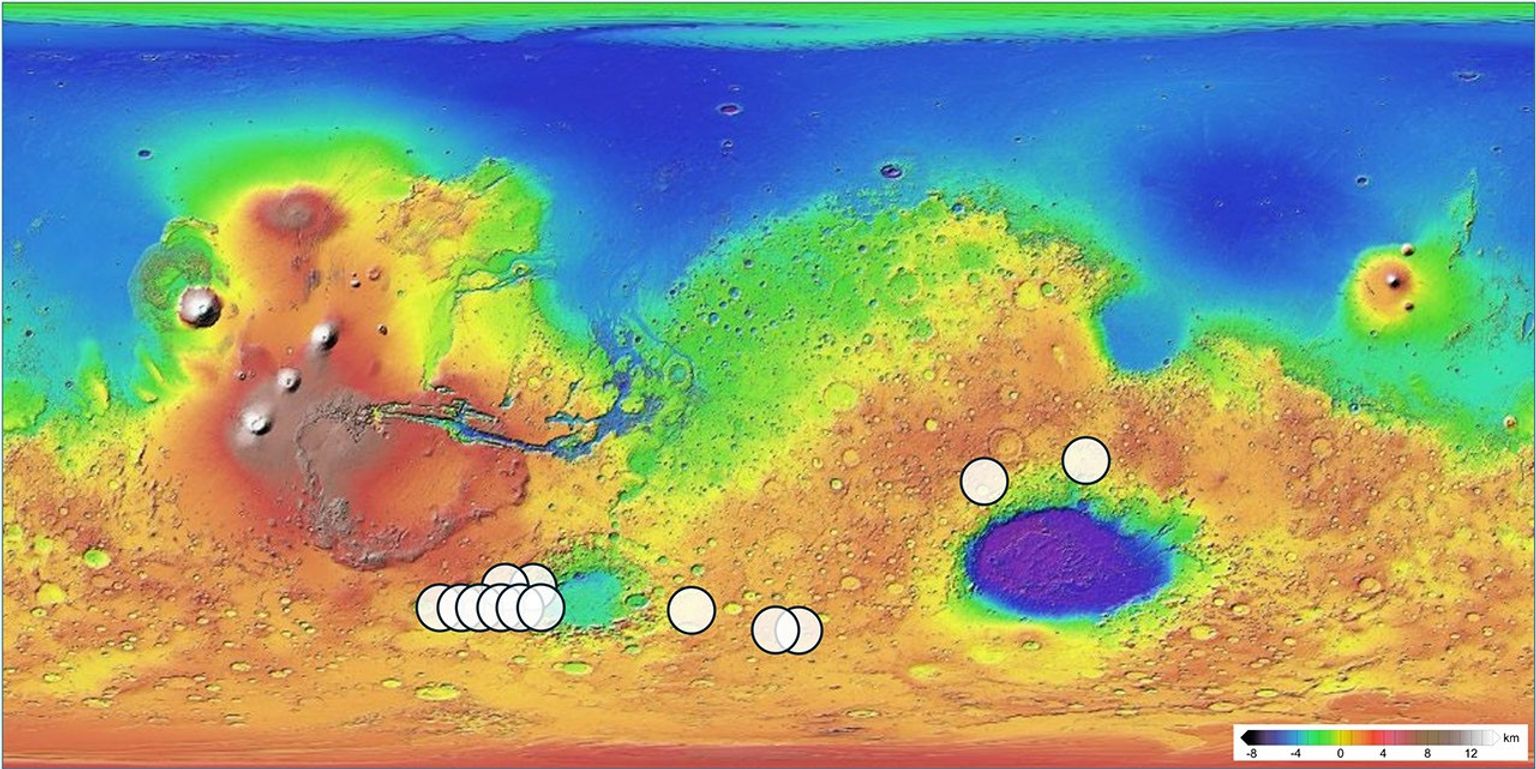
NASA-funded researchers have released a comprehensive map pinpointing the potential origins of Teghaza 001, a rare lithic messenger from the Martian crust. According to NASA Breaking News, this specimen represents one of the oldest fragments of Mars ever discovered on Earth, offering a geochemical profile that dates back to the planet's formative eras.
GEO-ANALYSIS
The newly published mapping data correlates the specific mineralogical signature of Teghaza 001 with high-resolution orbital imagery and topographic data of the Martian surface. By analyzing crater distribution and crustal composition, scientists have narrowed down the specific regions where a significant kinetic impact could have ejected this material into an Earth-intersecting trajectory.
SCIENTIFIC RELEVANCE
Understanding the provenance of Teghaza 001 is critical for calibrating the Martian geological timeline. Unlike recent volcanic flows, this meteorite provides a physical record of the planet’s ancient crustal evolution. The identification of its source region allows mission planners to cross-reference orbital spectrometry with direct laboratory analysis, effectively performing "remote field work" on sites that current rovers like Perseverance or Curiosity have yet to reach. This research bridges the gap between planetary observation and physical mineralogy, refining our models of how terrestrial planets evolve over billions of years.