Lunar ISRU Infrastructure: NASA Data Fuels Commercial Extraction Models
New logistical models leverage decades of NASA lunar data to plan autonomous resource extraction, marking a shift toward self-sustaining off-world economies through In-Situ Resource Utilization.
DATA FEED: LUNAR LOGISTICS
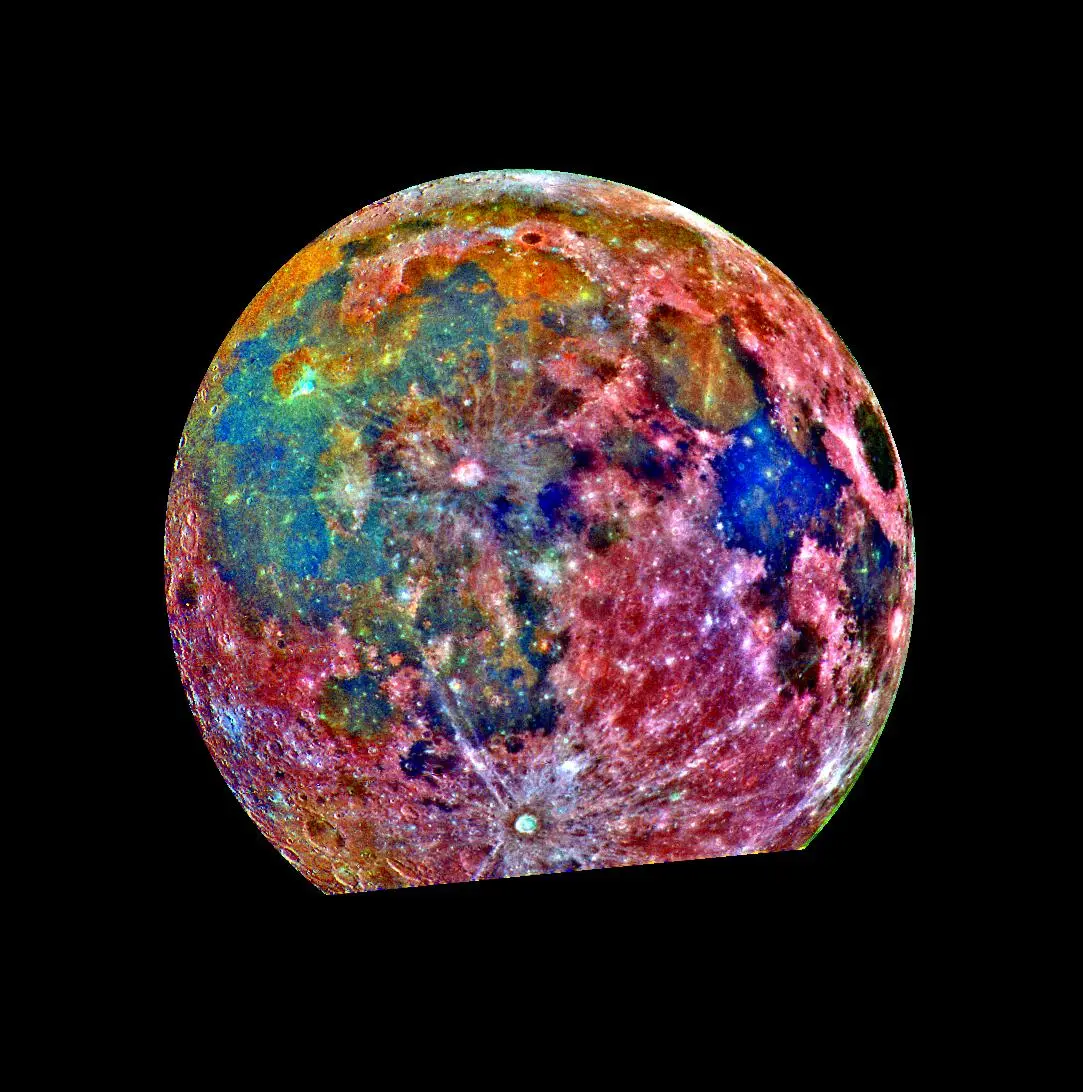
The vision of a permanent human presence on the Moon has moved from theoretical orbital mechanics to concrete industrial planning. According to NASA Breaking News, commercial space entities are now utilizing decades of agency data to architect the first generation of off-world extraction systems. The focus is In-Situ Resource Utilization (ISRU)—the process of mining lunar materials to sustain life and fuel propulsion systems.
RESOURCE LOCALIZATION
Strategic data sets, ranging from mineralogical maps to thermal signatures at the lunar poles, allow private firms to identify high-yield sites for water ice. This ice is critical; when processed, it provides liquid oxygen and hydrogen, effectively turning the Moon into a deep-space fueling station. By eliminating the need to haul every kilogram of propellant from Earth's deep gravity well, mission costs drop exponentially.
AUTONOMOUS INFRASTRUCTURE
The shift toward commercial implementation involves designing robotic harvesters capable of operating in the regolith's abrasive environment. NASA’s technology transfer initiatives ensure that private partners have access to flight-proven specifications, reducing the technical risk for ventures aiming to build lunar habitats and landing pads. The integration of this data is the foundational layer for the Artemis-era economy, transforming the Moon from a destination into a resource hub for the broader solar system.