Lunar Intel: Tracking the Waxing Gibbous Phase
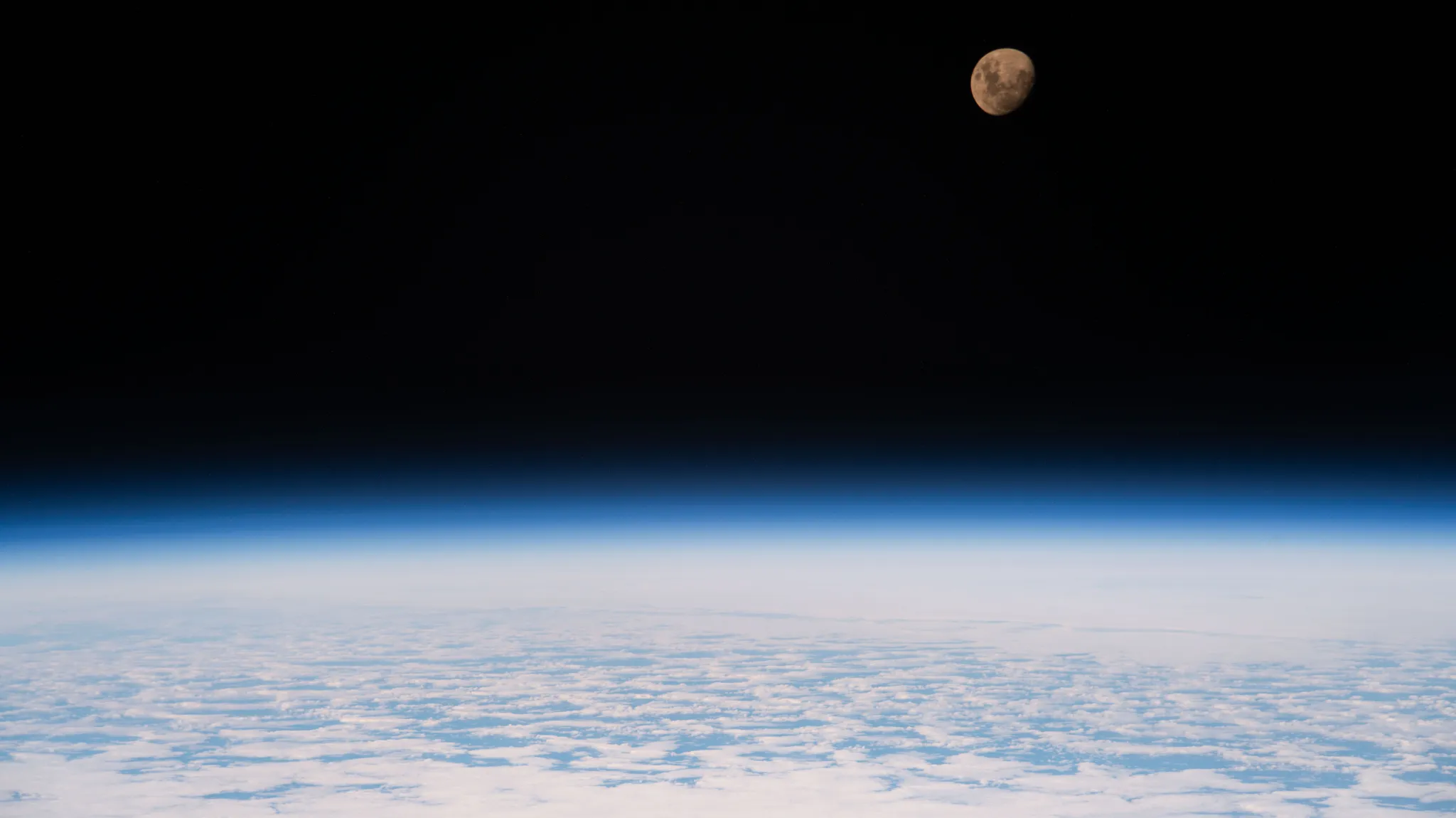
New observations detail the current waxing gibbous lunar phase as part of ongoing orbital monitoring. According to NASA Breaking News, the Agency continues to track lunar cycles to support future Artemis and ISS operations.
Orbital Surveillance Report
Recent data confirms the Moon has reached its waxing gibbous phase, a critical window for both ground-based observation and orbital planning. This phase occurs when the Moon is more than half illuminated but not yet full, moving toward its peak luminosity. According to NASA Breaking News, tracking these lunar cycles remains a priority as the global space industry prepares for the next generation of deep-space exploration.
Mission Context
The Agency continues to integrate lunar observational data with ongoing programs, including the Artemis initiative. Understanding light conditions on the lunar surface is essential for landing site selection and surface operations. Such data also supports broader solar system research conducted by the International Space Station (ISS) and the James Webb Space Telescope, both of which rely on precise astronomical charting to maintain operational integrity.
Planetary Outlook
Beyond immediate lunar tracking, the wider scientific effort encompasses the search for life in the universe and the monitoring of exoplanets. Recent findings from the TESS mission and the Webb telescope have highlighted how planetary systems survive stellar death, reinforcing the need for continuous observation of our own satellite. For European operators, these lunar transitions provide a reliable cadence for calibrating sensitive optical equipment destined for upcoming European Space Agency (ESA) missions.