Lunar Armor: Defending Orbital Assets from Meteoroid Ejecta
As NASA accelerates permanent lunar infrastructure, experts warn that asteroid impacts on the Moon pose a terminal threat to Earth's satellite networks.
Terminal Threat Assessment
Earth's orbital ecosystem faces a secondary hazard: lunar impact ejecta. According to SpaceNews, the expansion of NASA’s lunar footprint coincides with a rise in kinetic events on the Moon. During the Artemis 2 flyby, crew members documented six distinct meteorite impacts. While minor, these events foreshadow a potential catastrophe involving larger Near-Earth Objects (NEOs).
The YR4 Warning
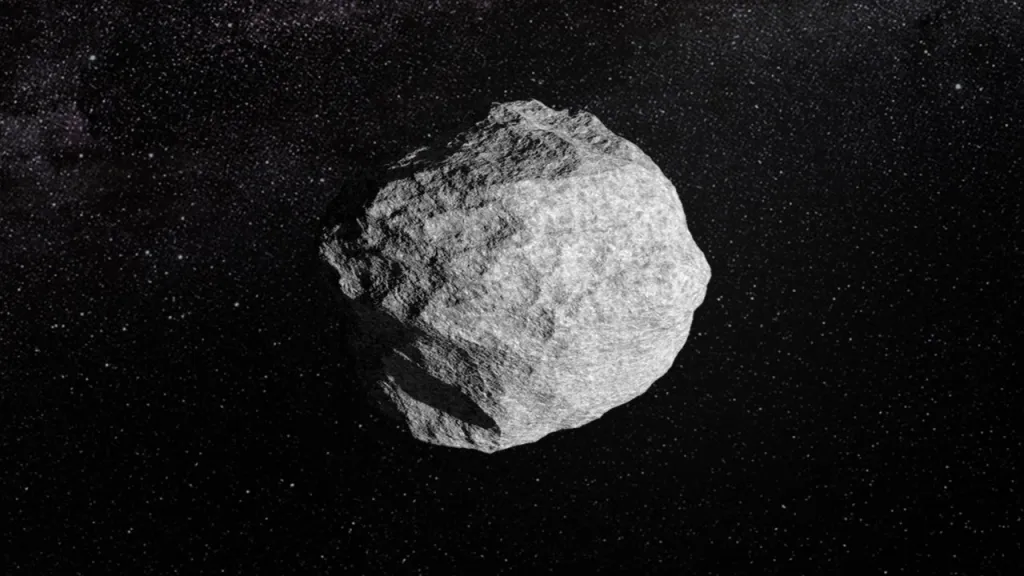
Late 2024 saw the discovery of Asteroid YR4. While it ultimately missed both Earth and the Moon, simulation data suggests a lunar collision would have been devastating. An impact by a 200-foot-wide asteroid could displace 100 million tons of lunar regolith. Approximately 10% of this material would enter Earth’s orbital shell within days, increasing background micrometeoroid levels by 1,000 times. At hypersonic velocities, even sand-sized grains could neutralize vital military communications, GPS, and commercial constellations like Starlink.
Defensive Gap
Despite Title 10 mandates requiring the U.S. Space Force to protect space-based interests, the organization remains under-prepared. While China has already begun mobilizing a dedicated planetary defense force and scheduled kinetic interception tests, Western defense sectors lack similar urgency. Experts suggest that the Space Force must prioritize planetary defense to secure the billions of dollars currently invested in geostationary and low-Earth orbits. Without a coordinated interception strategy, a single lunar strike could result in trillions in infrastructure losses and the severance of global communications.