Legacy of Flight: 65 Years of Operations at NASA Johnson
NASA marks six and a half decades of human spaceflight leadership at the Johnson Space Center, transitioning from the Mercury era to the upcoming Artemis lunar missions.
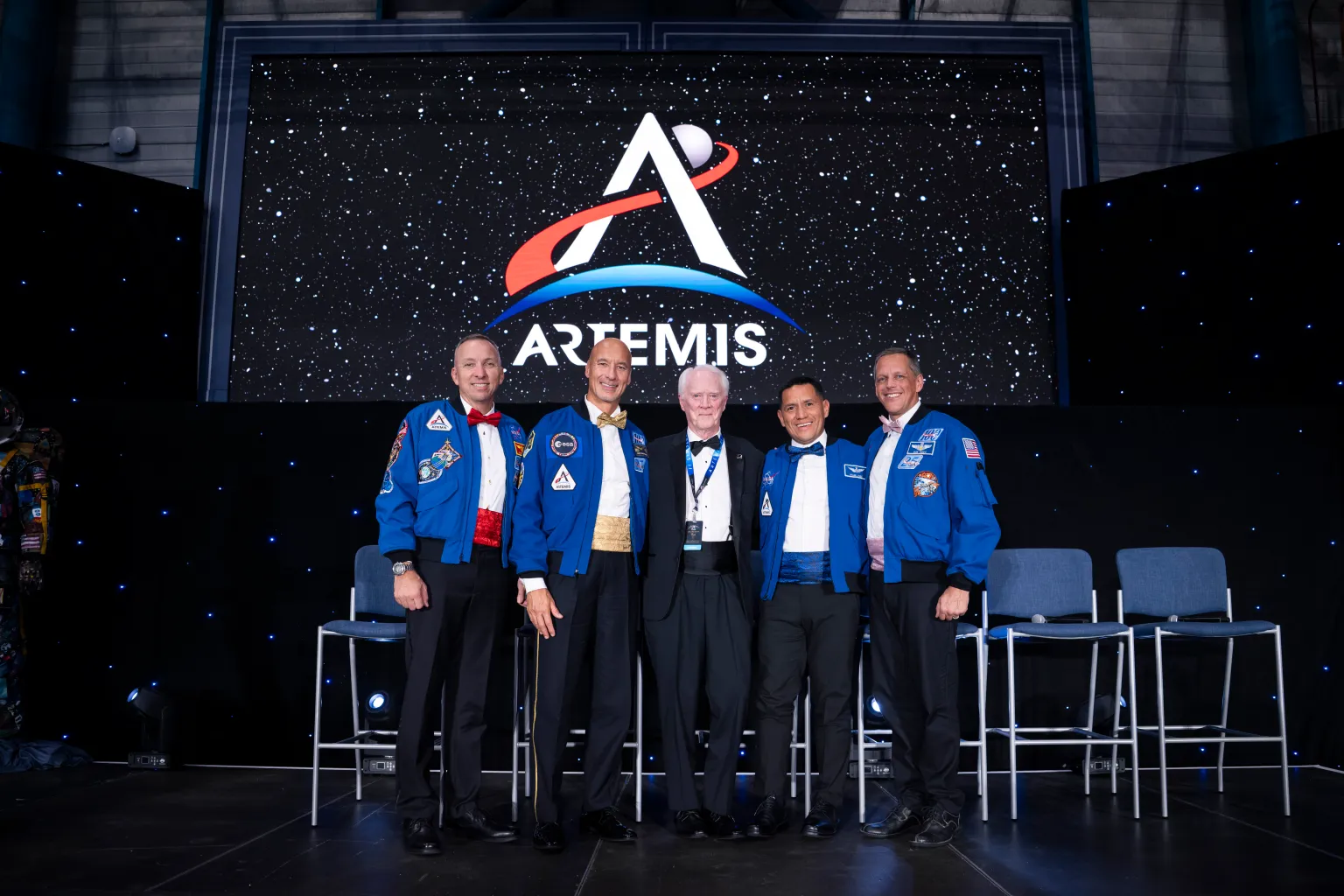
Mission Protocol: Sixty-Five Years
The Johnson Space Center (JSC) has officially crossed the 65-year threshold of operational human spaceflight. According to NASA Breaking News, the facility remains the central nervous system for American extraterrestrial activity, managing everything from the early Mercury milestones to the current sustainment of the International Space Station (ISS).
Operational History
Since its inception, JSC has served as the primary hub for astronaut training, mission control, and spacecraft design. The facility's timeline traces the evolution of orbital mechanics and life support systems across several distinct eras:
- The Apollo Program: Establishing the framework for lunar transit and surface operations.
- The Space Shuttle Era: Refining reusable launch vehicle technology and satellite deployment.
- ISS Operations: Managing 24 years of continuous human presence in Low Earth Orbit (LEO).
Future Trajectory: Artemis and Beyond
The current focus has shifted toward the Artemis program. JSC is spearheading the development of the Gateway—a lunar-orbital outpost—and the systems required for a sustained Moon base. Concurrently, the center is facilitating the transition to commercial space sectors, ensuring that LEO remains accessible via private enterprise while NASA focuses on deep-space exploration.
Technological research at the center continues to push the boundaries of materials science and robotics, ensuring that the hardware destined for the Martian frontier is flight-ready. As JSC enters its late sixties, the mission profile remains unchanged: maintaining the edge of human exploration through rigorous engineering and persistent orbital command.