JSC Dexterous Robotics: The Hands of Future Exploration
NASA’s Johnson Space Center is refining the next generation of autonomous robotic systems to perform complex maintenance and logistics tasks in deep space.
Terminal Access: NASA Johnson Space Center
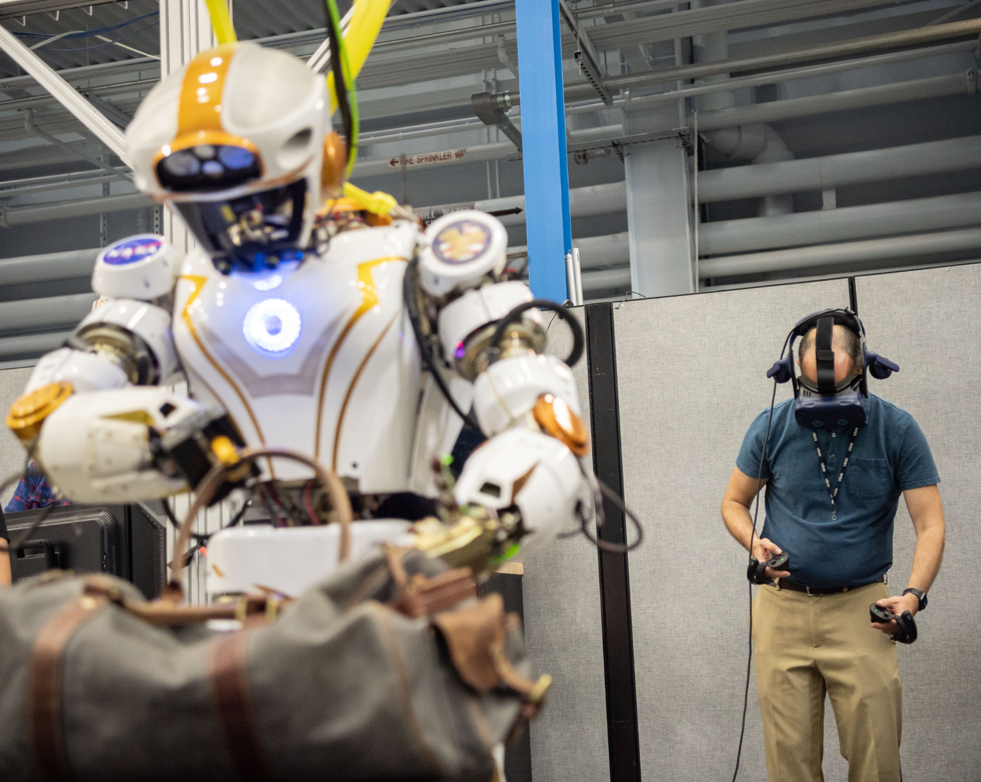
According to NASA Breaking News, the Dexterous Robotics Team at Johnson Space Center (JSC) is accelerating development on specialized robotic systems designed to operate where humans cannot. As orbital infrastructure expands, the agency is prioritizing "reliable robots"—autonomous units capable of executing high-precision tasks without constant human intervention.
//The Mission Profile
These systems are not merely automated tools; they are designed for high-dexterity operations including station maintenance, logistics management, and scientific support. The team’s focus lies in bridging the gap between basic automation and cognitive-robotic response. By refining how these machines interact with their environment, NASA aims to secure a permanent presence on the Moon and, eventually, Mars.
//Operational Impact
The integration of advanced robotics is a strategic necessity for the Artemis program. While human astronauts provide critical decision-making, the Dexterous Robotics Team provides the endurance. These machines are being engineered to handle repetitive or high-risk external maintenance, allowing human crews to focus on primary scientific objectives. The development cycle emphasizes tactile feedback and adaptive software, ensuring these units can navigate the unpredictable variables of deep-space environments.
As the International Space Station nears its end-of-life and commercial habitats emerge, these robotic solutions will serve as the primary caretakers for uncrewed platforms. The data gathered at JSC will define the interface standards for all future off-world hardware.