JPL ARCHIVE 90: THE NEXT CENTURY OF DEEP SPACE LOGISTICS
NASA's Jet Propulsion Laboratory outlines its strategic roadmap for the next 90 years, focusing on nuclear propulsion, lunar infrastructure, and advanced robotic autonomy.
DATA FEED: JPL STRATEGIC OUTLOOK
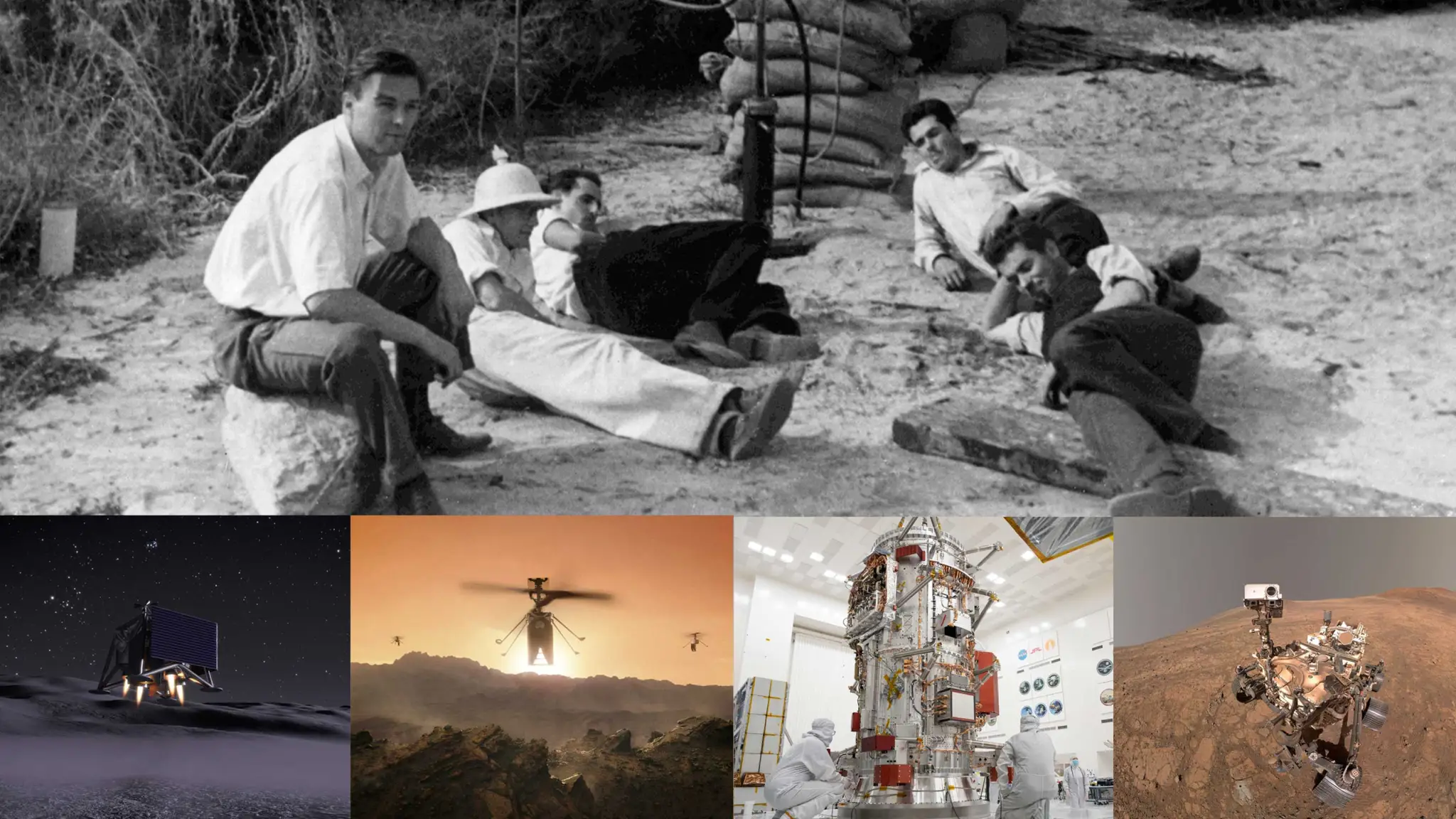
As the Jet Propulsion Laboratory (JPL) marks its 90th year of operations, the facility is pivoting its engineering focus toward a century defined by permanent off-world presence and high-energy propulsion. According to NASA Breaking News, the laboratory is currently prioritizing the integration of nuclear power modules and autonomous systems to support the evolving Artemis framework and beyond.
//PRIMARY OBJECTIVE: NUCLEAR MOBILITY
Central to this technological shift is the SR-1 Freedom spacecraft. This Space Reactor-1 variant represents a significant advancement in Martian logistics, utilizing a nuclear fission reactor and power conversion module to facilitate long-duration orbital stay-times. The current hardware configuration, featuring golden Roll-Out Solar Arrays (ROSA) and a dedicated Power and Propulsion Element (PPE) bus, is designed to bridge the gap between chemical propulsion limitations and the requirements of the outer solar system.
//SYSTEM INTEGRATION AND AUTONOMY
The roadmap further emphasizes the scaling of lunar surface technologies. NASA is standardizing robotic platforms and computing architectures to ensure interoperability between Earth, the International Space Station (ISS), and the projected Moon Base. Key missions, including the Nancy Grace Roman Space Telescope and the ongoing Webb observatory operations, serve as the data foundations for this next phase of astrophysical inquiry.
//EXPLORATION VECTORS
JPL’s future trajectory encompasses a full-spectrum search for life, spanning the icy plumes of the outer planets to the characterization of exoplanetary atmospheres. The objective is clear: transition from intermittent exploration to a sustained, data-driven presence across the Kuiper Belt and the Oort Cloud. The mission parameters for the next 90 years prioritize the conversion of theoretical physics into deployable deep-space hardware.