Japan’s IHI Targets Kuva Space Hyperspectral Tech for Multi-Sensor Constellation
IHI signs an agreement with Finnish startup Kuva Space to integrate Hyperfield-2 hyperspectral satellites into Japan’s planned sovereign Earth observation network.
Strategic Integration
Japanese industrial giant IHI has entered into a Memorandum of Understanding (MoU) with Finnish startup Kuva Space to evaluate the integration of hyperspectral sensors into a planned 100-satellite sovereign Earth observation network. According to SpaceNews, the partnership focuses on Kuva’s Hyperfield-2 platform, a 70-kilogram microsatellite designed to detect material signatures through short-wave infrared (SWIR) sensing.
Operational Parameters
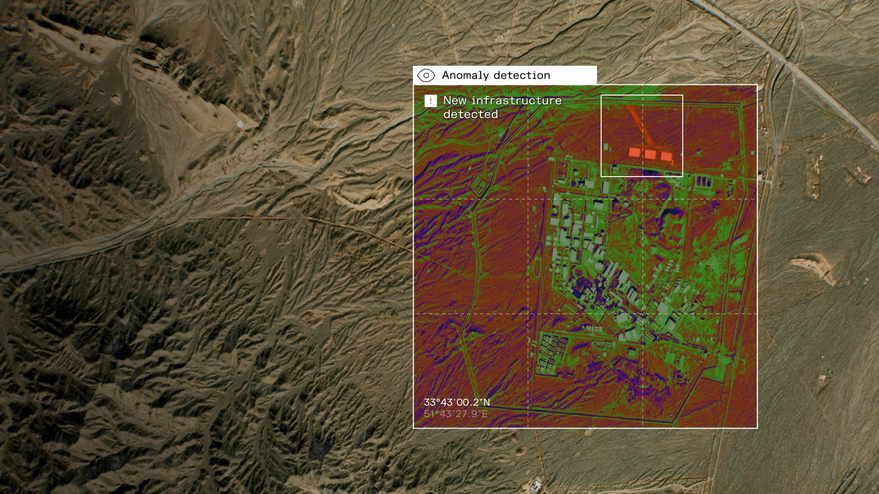
The agreement envisions orders by 2027, coinciding with the inaugural orbital demonstration of Hyperfield-2. The collaboration includes the possibility of localized manufacturing within Japan. Currently, IHI is analyzing data from Kuva’s 12-kilogram Hyperfield-1 cubesats to refine anomaly detection capabilities, specifically targeting vessels that disable Automatic Identification System (AIS) transponders and tracking changes in land use.
Kuva Space estimates that a 20-unit sub-constellation of Hyperfield-2 satellites would generate daily coverage across 20 million square kilometers, encompassing Japan and its maritime interests. By 2030, the Finnish venture aims for a 100-satellite global deployment to achieve sub-daily intelligence cycles.
Expanding the Sensor Web
This move reinforces IHI’s strategy of aggregating diverse orbital assets. The Japanese manufacturer has already secured four SAR satellites from Finland-based Iceye and is exploring thermal imaging partnerships with British firms SatVu and SSTL. The final constellation architecture is expected to be a data-fusion power, incorporating optical, radio-frequency, and VDES communication payloads to fortify Japan's national security and dual-use space infrastructure.