ISS LOGISTICS: NASA AND ROSCOSMOS EXTEND SEAT-SWAP PROTOCOL
NASA and Roscosmos have formally extended their seat-barter agreement for ISS missions, ensuring operational redundancy despite ongoing technical hurdles with Boeing’s Starliner.
Operational Continuity Confirmed
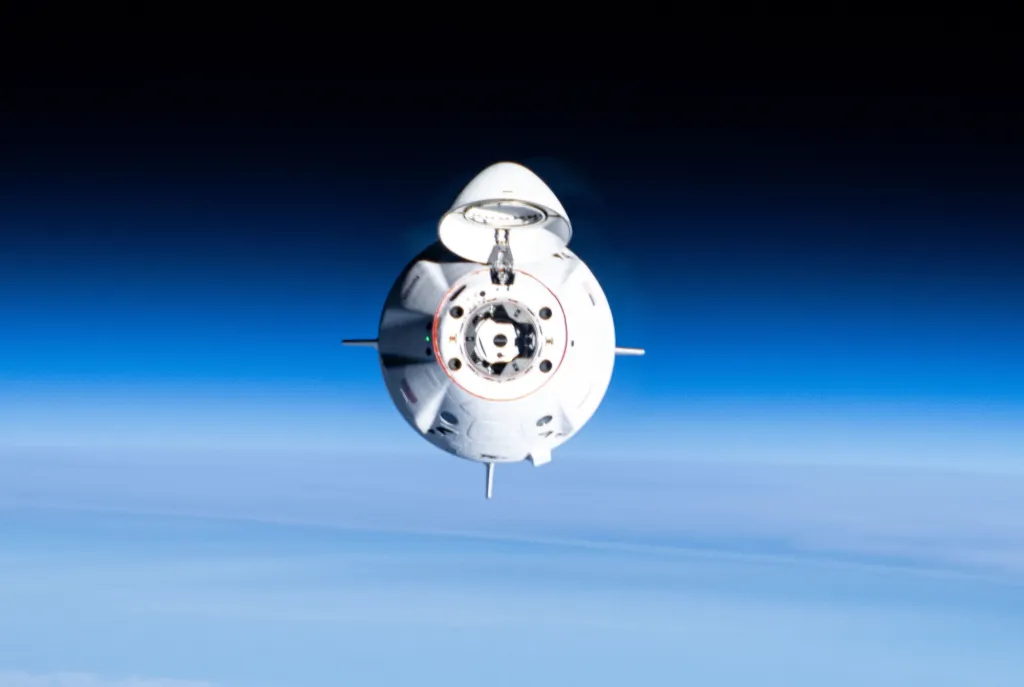
NASA and Roscosmos have formalized an extension of their integrated crew agreement, ensuring continued seat-sharing between the SpaceX Crew Dragon and the Russian Soyuz. According to SpaceNews, the protocol allows NASA astronauts to occupy Soyuz seats while Russian cosmonauts utilize Crew Dragon slots. This reciprocal arrangement functions as a critical failsafe, maintaining a continuous human presence on the International Space Station (ISS) should either launch system suffer a prolonged grounding.
Starliner Excluded From Current Deal
Despite the extension, the Boeing Starliner remains excluded from the barter framework. NASA officials, including low Earth orbit program manager Dana Weigel, confirmed that Roscosmos is withholding certification of the Boeing vehicle until comprehensive flight and safety data are reviewed. Starliner has faced persistent scrutiny following propulsion system anomalies during its Crew Flight Test mission, specifically regarding thruster overheating during orbital approach.
Engineering and Schedule Windows
To address these deficiencies, Boeing has implemented thermal shunts and enhanced insulation on the service module thrusters—modifications validated during ground testing at the White Sands facility in New Mexico. While NASA has not ruled out a Starliner mission before the end of the year, the priority remains data-driven certification. For now, the ISS logistics chain remains tethered to the proven Soyuz-Dragon exchange, operating on an 18-month planning horizon to ensure mission stability amidst technical transitions.