Imaging the Superbubble: Deep Scan of Nebula N44
A high-resolution visual survey of the N44 complex in the Large Magellanic Cloud reveals a massive 'superbubble' carved by stellar winds and supernovae.
Galactic Architecture
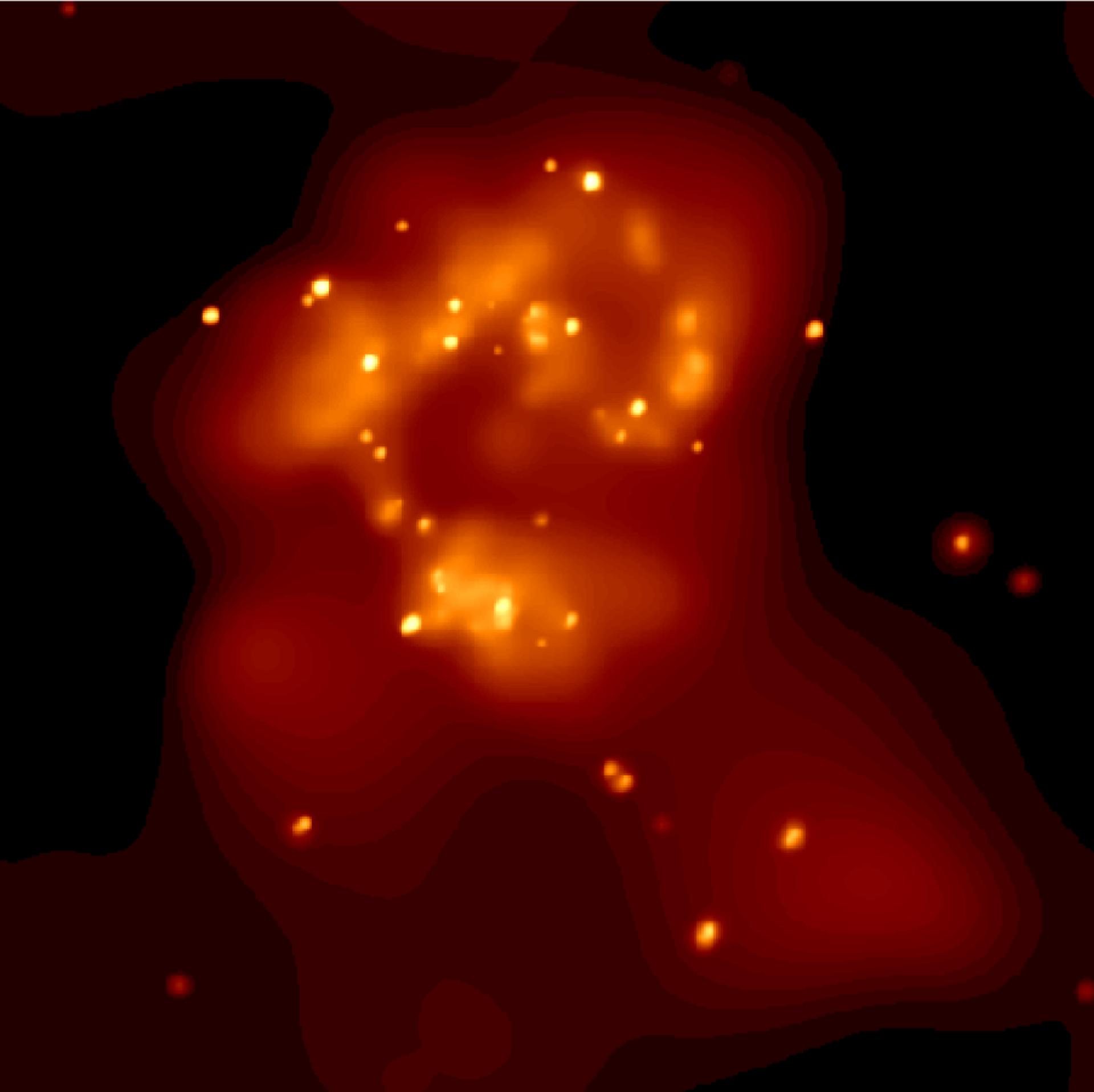
Data transmitted via the European Space Agency’s imaging systems has provided a high-resolution look into N44, a complex emission nebula situated approximately 170,000 light-years from Earth. Located within the Large Magellanic Cloud, a satellite galaxy of the Milky Way, N44 serves as a critical laboratory for studying the lifecycle of massive stars.
The Superbubble Anomaly
According to ESA YouTube footage documenting the visual progression into the nebula, the most striking feature is a vast central void known as a "superbubble." This cavernous structure, spanning approximately 250 light-years, was not formed by a single event. Instead, the void is the result of intense stellar winds generated by a cluster of high-mass stars, coupled with the concussive force of multiple supernova explosions. These energetic events have pushed surrounding gas and dust outward, creating a distinct, hollowed-out shell in the interstellar medium.
Spectral Signature
The visual data highlights the vibrant glow of ionized hydrogen gas, indicating active star formation at the periphery of the bubble. While the central cavity appears relatively empty, the edges are dense with material, providing the necessary conditions for the next generation of stellar development. The complex structure of N44 demonstrates the volatile feedback loops that govern galactic evolution, where the death of one generation of stars triggers the birth of another through the compression of surrounding gas clouds.