Ignition Confirmed: Sirius Space Fires Full STAR-1 Engine
French launch startup Sirius Space has achieved a critical milestone by successfully completing a full-scale test fire of its STAR-1 rocket engine, marking a shift from component testing to integrated propulsion systems.
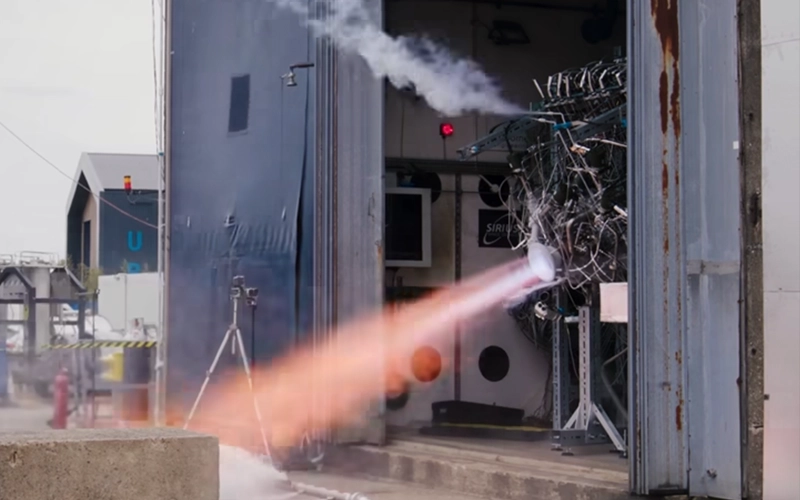
Propulsion Milestone Achieved
French launch provider Sirius Space has confirmed the successful first hot-fire test of its complete STAR-1 rocket engine. According to European Spaceflight, this marks a pivotal transition for the company, moving beyond isolated component validation to the verification of a fully integrated propulsion system.
System Specifications
The STAR-1 is a liquid-propellant engine utilizing a combination of liquid oxygen (LOX) and methane (LCH4). This propellant choice aligns with modern industry standards for high-efficiency, reusable orbital systems. The engine is engineered to deliver approximately 5 kN of thrust, serving as the technological foundation for the company's future launch vehicle architecture.
Test Parameters
While specific burn durations were not disclosed in the immediate telemetry, the test verified the operational integrity of the combustion chamber, injectors, and feed systems working in concert. Previous testing phases focused on sub-scale hardware; this latest campaign utilized the flight-representative assembly.
Strategic Roadmap
Sirius Space aims to deploy the STAR-1 as the primary propulsion unit for its Sirius 1 light launch vehicle. The company intends to scale this technology further, with plans for a larger STAR-5 variant in development. Successful ignition of the STAR-1 validates their computer-aided design models and manufacturing processes, clearing the path for intensive qualification testing throughout the coming year. As European demand for sovereign small-satellite launch capacity intensifies, this test secures Sirius Space's position in the regional race for orbital access.