HYBRID PROPULSION: NASA VALIDATES DUAL-MODE CUBESAT ENGINE
NASA has successfully completed ground testing for a new dual-mode propulsion system designed for CubeSats, enabling both high-thrust chemical maneuvers and high-efficiency electric cruising from a single propellant source.
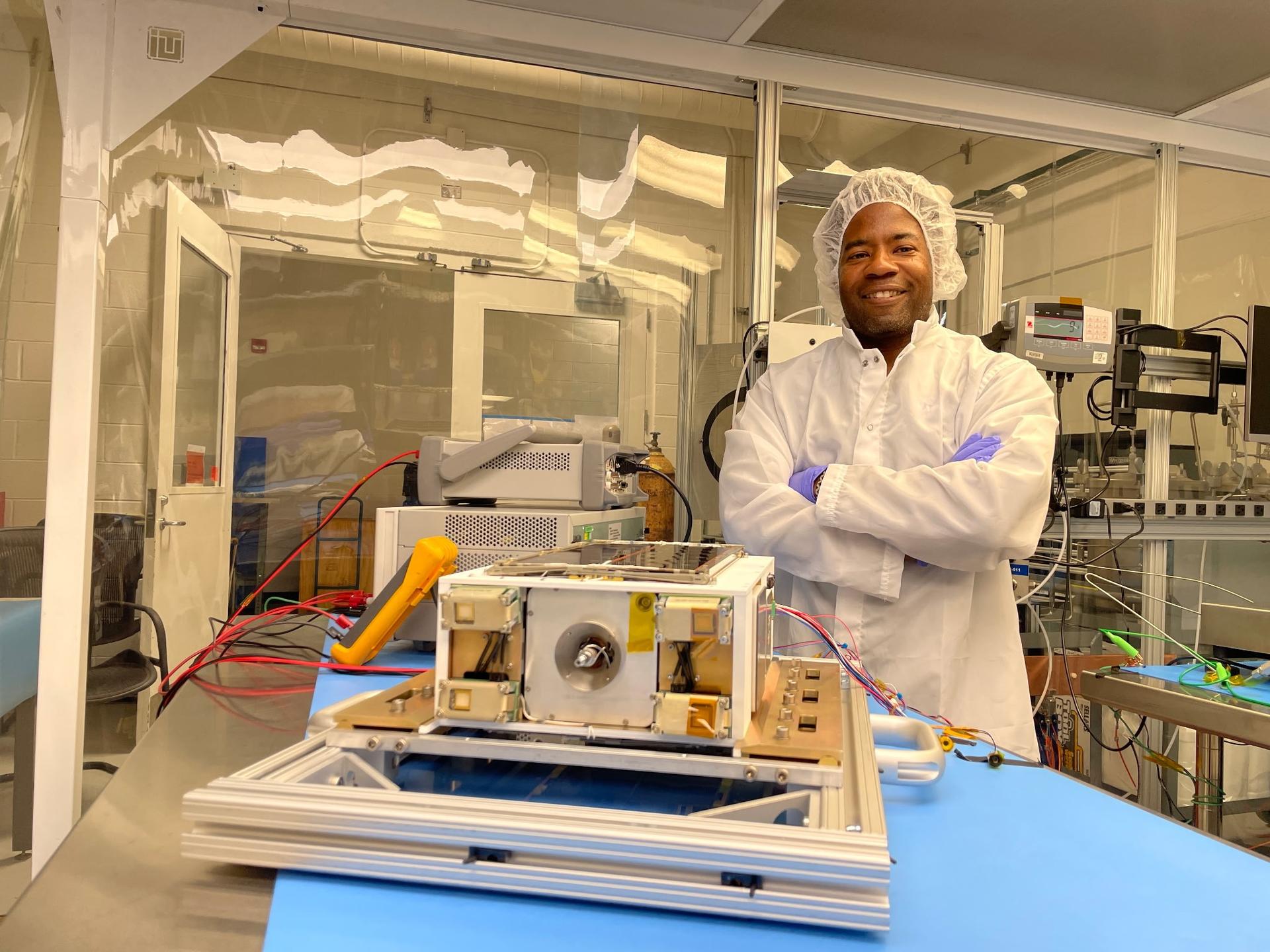
SYSTEM PROTOCOL: DUAL-MODE PROPULSION
According to NASA Breaking News, engineers have successfully concluded critical vacuum chamber testing for a novel dual-mode propulsion system integrated into a CubeSat platform. The objective of this mission is to bridge the capability gap between small-scale satellite maneuverability and deep-space endurance.
TECHNICAL SPECIFICATIONS
The hardware utilizes a specialized ionic liquid propellant that serves a two-fold purpose. In its chemical mode, the engine provides high-thrust bursts necessary for rapid orbital adjustments or emergency collision avoidance. In its electric mode, the system functions as a high-efficiency electrospray thruster, utilizing electrostatic fields to accelerate ions for long-duration, low-thrust transit.
This hybrid architecture eliminates the need for separate propellant tanks, plumbing, and power controllers for different engine types, significantly reducing the mass-fraction allocated to propulsion.
MISSION PROFILE
The upcoming flight demonstration will verify the system’s ability to switch between modes in a microgravity environment. Testing confirmed that the ionic propellant remains stable and effective across both discharge cycles. By optimizing the volume-to-performance ratio, this technology allows CubeSats—historically limited to Low Earth Orbit (LEO)—to realistically target high-delta-v objectives, including lunar and interplanetary trajectories.
NASA’s Space Technology Mission Directorate is overseeing the final integration phase. Data recovered from the pending orbital trial will inform future iterations of high-efficiency small-satellite constellations.