Human Capital: Cultivating Talent at Johnson Space Center
A deep dive into NASA’s mentorship pipeline reveals how veteran engineers at Johnson Space Center are technical skill-mapping the next generation of deep-space experts.
Technical Transition
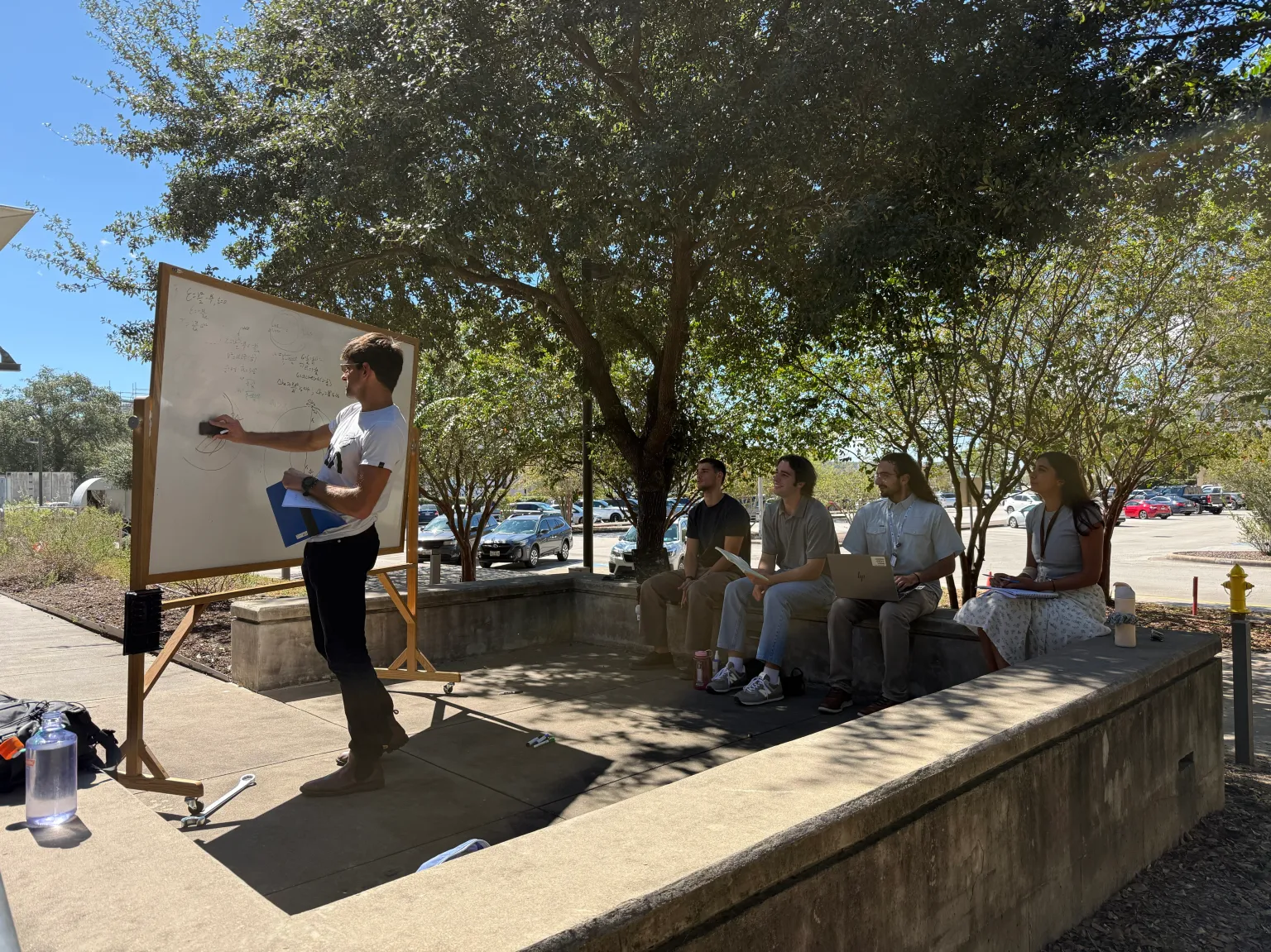
Operational continuity at NASA’s Johnson Space Center relies on a high-fidelity transfer of knowledge. As the agency pivots toward long-duration missions under the Artemis program, the role of experienced mentors has become a critical subsystem in workforce development. According to NASA Breaking News, veteran personnel are actively shaping the technical and professional trajectories of early-career talent to ensure mission success across the lunar and Martian frontiers.
The Mentorship Architecture
The framework at Johnson focuses on more than just rote technical training. It involves the integration of soft skills, mission-critical decision-making, and navigating the complex institutional landscape of the agency. By pairing seasoned professionals with interns and new hires, NASA effectively bridges the generational gap, ensuring that decades of orbital experience are not lost to retirement cycles.
Mentors serve as the primary interface between theoretical academic training and the harsh realities of aerospace engineering. This process includes oversight on projects ranging from International Space Station (ISS) logistics to the development of new lunar surface technologies. The objective is to produce a versatile workforce capable of managing the inherent risks of human spaceflight.
Strategic Outcomes
The data suggests that structured mentorship significantly improves retention and accelerates the "flight-ready" status of junior engineers. As NASA expands its collaboration with commercial partners and international agencies, this internal culture of guidance serves as the backbone for the next era of exploration. The goal remains clear: cultivating a resilient human infrastructure to support a permanent presence beyond Earth orbit.