Hubble Reboost: NASA Eyes Commercial Sector for Orbital Extension
NASA explores private sector solutions to reboost the Hubble Space Telescope’s orbit, potentially extending the operational lifespan of the legendary cosmic observer.
DATA LOG: ORBITAL MAINTENANCE
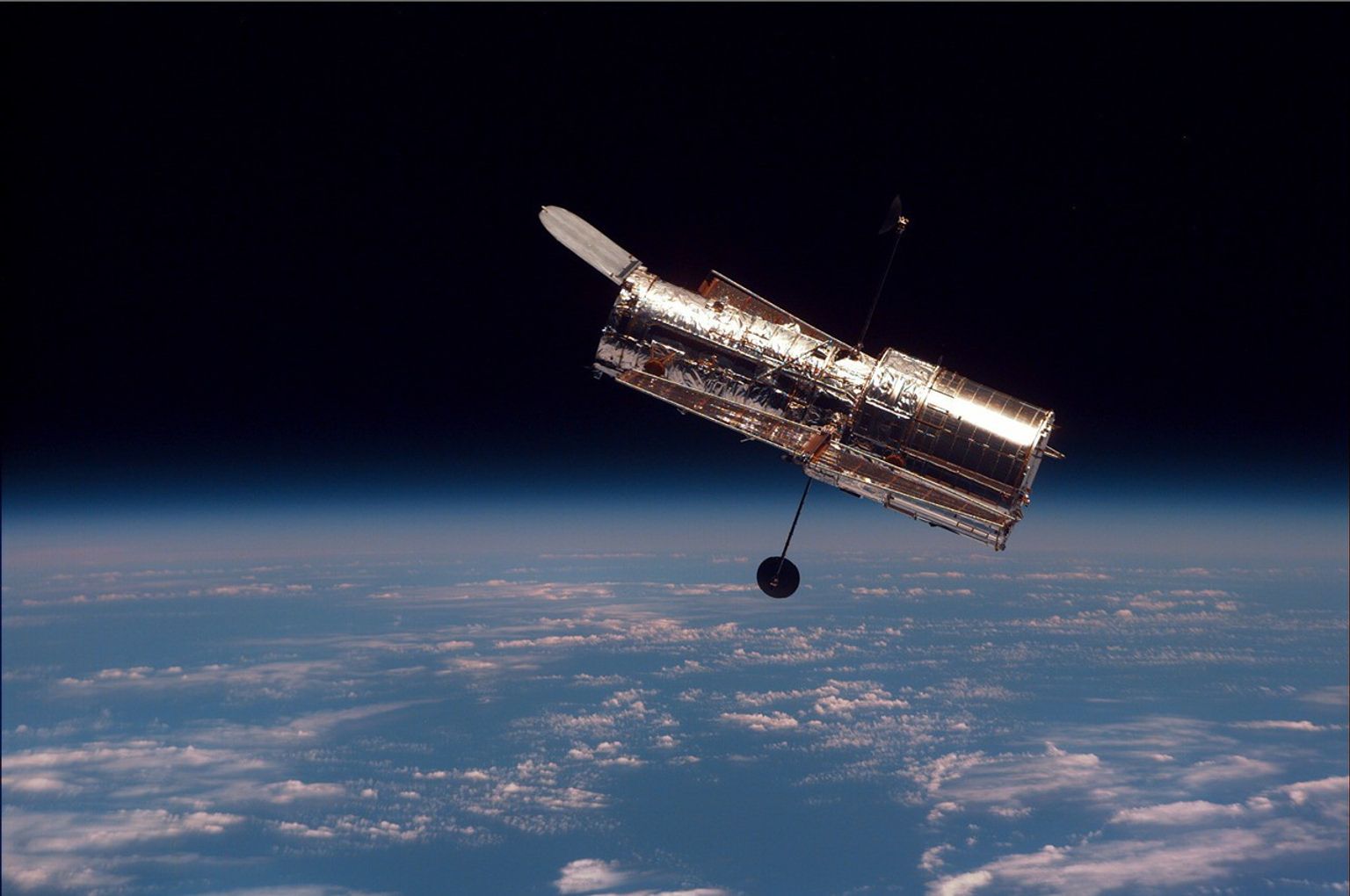
According to NASA Breaking News, the agency is formally investigating the feasibility of utilizing commercial space assets to service the Hubble Space Telescope. The initiative focuses on a non-exclusive Request for Information (RFI) to identify private-sector capabilities that could safely reboost the telescope’s altitude and extend its operational mission life.
Hubble has been operational for over three decades, but atmospheric drag continues to degrade its orbit. Without intervention, the telescope will eventually undergo an uncontrolled reentry into Earth’s atmosphere. Traditionally, servicing was conducted via the Space Shuttle fleet; however, since the program's retirement in 2011, Hubble has remained without a dedicated docking or reboost mechanism.
TECHNICAL PARAMETERS
The exploration of commercial servicing is part of a broader shift in agency policy toward public-private partnerships. The study aims to determine if existing or upcoming commercial spacecraft can dock with the legacy observatory without damaging its sensitive optical instruments. Unlike previous manned missions, these proposed operations would likely rely on robotic proximity operations and autonomous docking systems.
NASA officials emphasize that while there are no current plans for a crewed servicing mission, the data gathered from this inquiry will inform future decisions regarding the telescope’s stability. If successful, the reboost could add several years of data collection, allowing Hubble to work in tandem with the James Webb Space Telescope and the upcoming Roman Space Telescope.
OPERATIONAL STATUS
Currently, Hubble remains healthy and continues to deliver high-cadence astronomical data. The agency is not funding a specific mission at this stage but is evaluating whether industry partners can provide the necessary propulsion at their own cost in exchange for technical data and prestige. The results of this RFI will dictate the next phase of the telescope's orbital trajectory management.