Hubble and Webb Analyze Frozen Records of the Outer Solar System
A joint observation by NASA’s premier telescopes has captured the smallest Trans-Neptunian Objects ever recorded, revealing that these icy bodies retain color signatures from their formation era.
Terminal Feed: Deep Space Reconnaissance
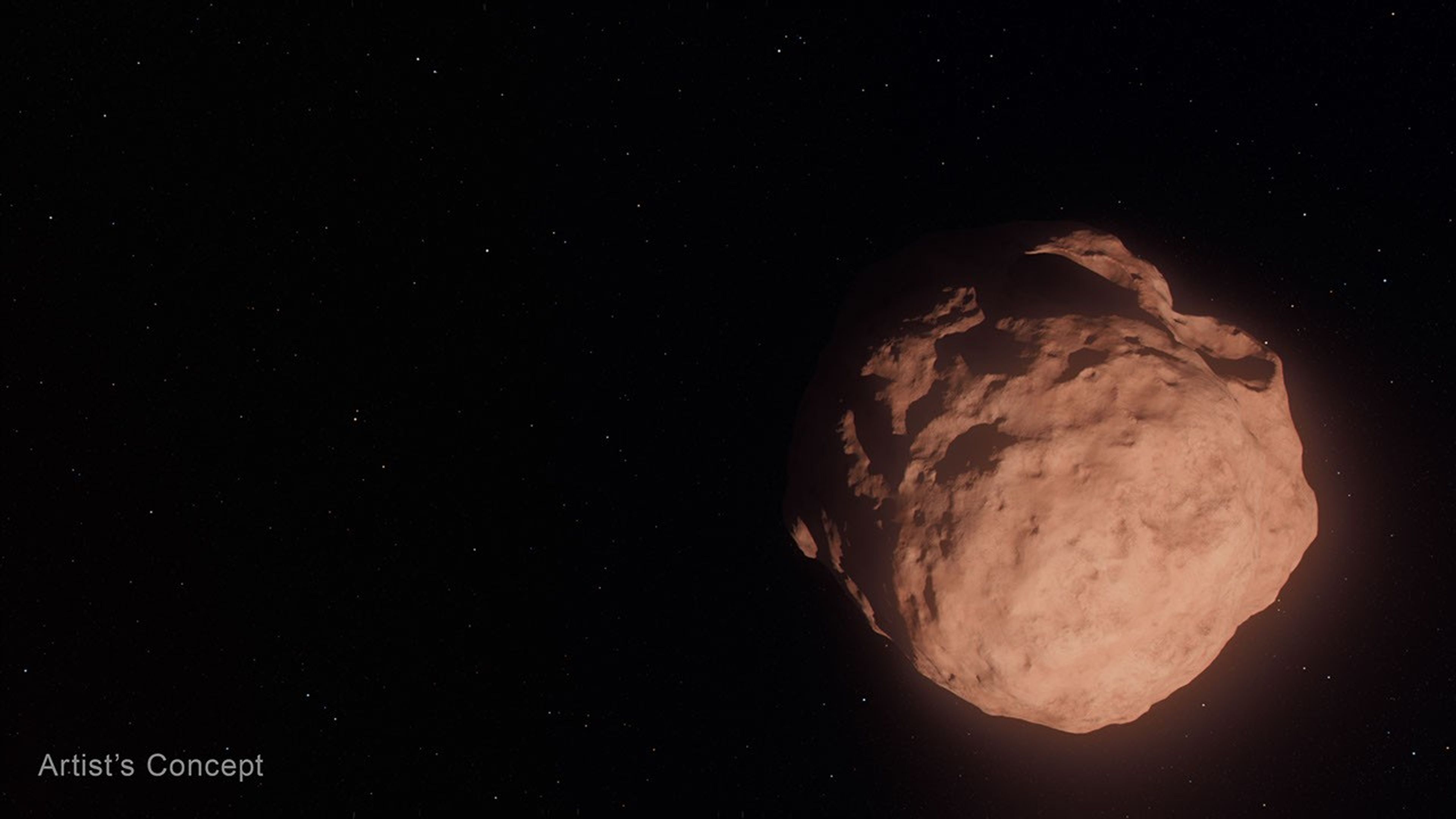
According to NASA Breaking News, a strategic synchronization of the Hubble and James Webb Space Telescopes has provided the most detailed look to date at Trans-Neptunian Objects (TNOs). These icy fragments, located in the Kuiper Belt beyond Neptune, serve as a cryogenic archive of the early solar system. The study marks the first time both flagship observatories have simultaneously targeted these distant bodies, some of which are the smallest and faintest ever directly imaged.
Spectral Archeology
The mission successfully categorized 59 TNOs, utilizing Hubble’s sensitivity to blue and ultraviolet wavelengths alongside Webb’s infrared capabilities. The data confirms a persistent "memory" within these objects. Unlike bodies in the inner solar system that have been chemically altered by solar radiation and proximity to the sun, TNOs remain largely preserved. Researchers identified that the specific colors of these objects—ranging from neutral to deep red—correlate with their orbital origins, suggesting they have maintained their physical characteristics for billions of years.
The Migration Record
The findings support the theory of planetary migration. By analyzing the distribution of colors and chemical compositions, scientists can trace where these objects formed before being displaced by the gravitational influence of gas giants like Jupiter and Saturn. This multi-wavelength approach provides a high-resolution map of the protoplanetary disk’s remnants, proving that even the smallest orbital debris holds critical data on the evolution of our stellar neighborhood.