Hidden Worlds: Deciphering the Exoplanet Data in ESA’s Deep Space Imaging
According to the European Space Agency, advanced astronomical imaging techniques have confirmed the presence of thousands of potential exoplanets masked within singular frames of deep space data.
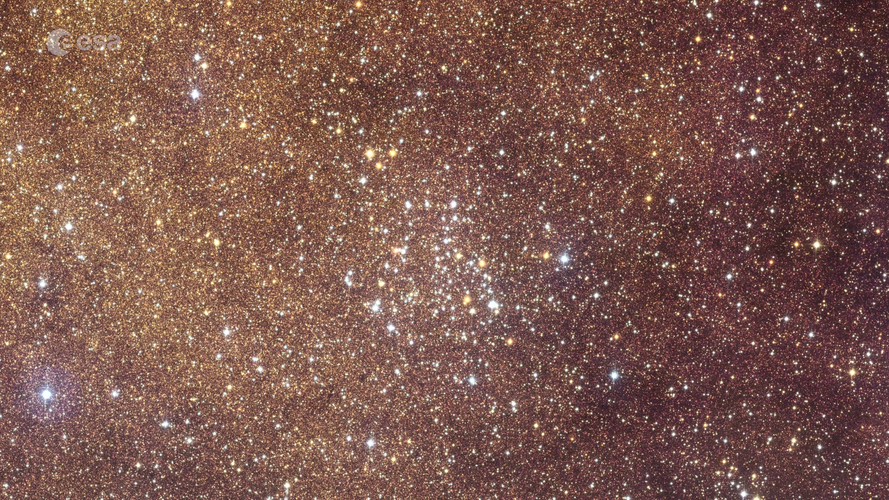
Terminal Feed: Data Extraction Successful
Astronomical observation is no longer merely about capturing light; it is about resolving the unseen. According to the European Space Agency (ESA), a single high-resolution deep space image can harbor thousands of individual planetary systems, obscured by the sheer scale of the cosmic background and the glare of host stars.
The Scale of Discovery
In recent mission updates, ESA specialists highlighted that the identification of these worlds relies on sophisticated data processing. While the naked eye—or even a conventional telescope—might perceive a field of stars as static, advanced sensors detect the minute drops in luminosity known as transits. These signals indicate the passage of planets across their parent suns.
European Infrastructure at Work
Operating from mission control centers like ESOC and technological hubs such as ESTEC, ESA utilizes its sprawling network of Member State assets to filter through terabytes of imaging data. The agency remains Europe’s primary gateway to space, collaborating with 23 Member States to ensure that every pixel captured by missions contributes to our mapping of the habitable galaxy.
Experts at the European Space Astronomy Centre (ESAC) continue to refine the algorithms responsible for isolating these planetary signatures. The goal is to move beyond mere detection toward the characterization of atmospheres—determining which of these hidden thousands might sustain conditions for life. The sheer density of candidates within a limited field of view underscores the efficiency of modern European sensors and data-handling protocols.