HARDWARE SHIFT: MEGA-CONSTELLATIONS REDEFINE SPACE ELECTRONICS RISK
Spacecraft designers are moving away from traditional radiation-hardened components in favor of high-performance commercial electronics to support AI and mass production.
Terminal Entry: S/C Component Logic Shift
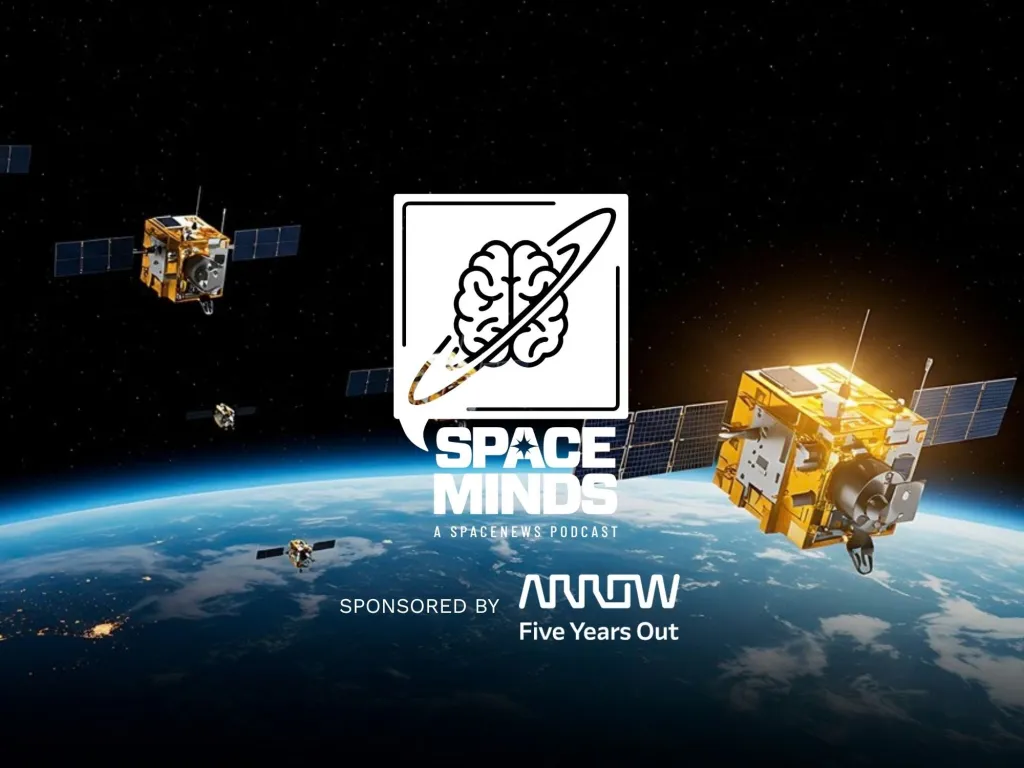
The orbital electronics market is undergoing a fundamental pivot as the industry moves from bespoke, single-satellite missions toward mass-produced mega-constellations. In a recent dialogue on the Space Minds podcast, Ken Stoler of Arrow Electronics detailed how the sheer volume of modern satellite networks is forcing a total rethink of hardware risk and procurement cycles.
The Risk Calculus
According to SpaceNews, the influx of commercial technologies is displacing traditional radiation-hardened components. As designers prioritize rapid deployment and cost-efficiency for large fleets, the appetite for "good enough" commercial off-the-shelf (COTS) hardware has increased. This shift is not merely about cost; it is a technical necessity. Traditional space-grade hardware often lacks the processing density required for modern mission profiles.
AI and Compute Constraints
The integration of AI-enabling computing power remains a primary bottleneck. Spacecraft operators are demanding higher processing capabilities to handle autonomous navigation and real-time data analysis. However, Stoler noted that integrating these power-hungry processors into the harsh, thermally constrained vacuum of space presents significant engineering hurdles.
Supply Chain Evolution
The supply chain is reacting to this new purchasing behavior. Procurement is no longer focused on individual, high-reliability units but on securing scalable inventories that can support continuous launch manifests. This transition suggests a permanent departure from the legacy "zero-failure" model toward a more resilient, network-based approach to orbital reliability.