Hardware Moats and High Volatility: The Starship Economy
Venture capital and orbital startups are betting on the success of SpaceX’s Starship heavy-lift system, embracing market volatility and delayed ROI in exchange for orbital scale.
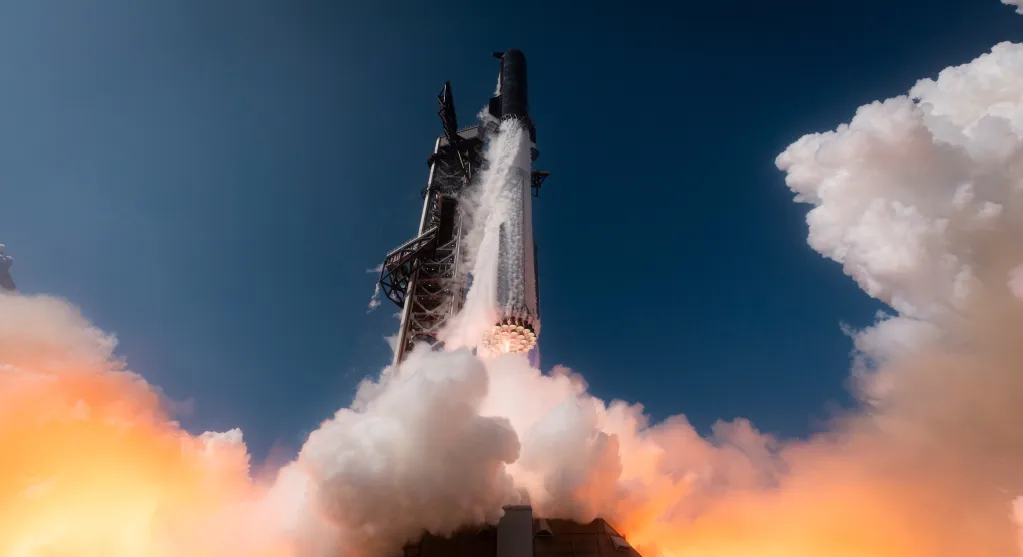
The commercial space sector is currently tethered to the cadence of the world’s most powerful rocket. According to SpaceNews, emerging megaconstellations are banking on SpaceX’s Starship to achieve unprecedented orbital scale despite significant market fluctuations and development delays.
The Deployment Bottleneck
Several startups are designing hardware specifically for the Starship cargo bay. Orbital, an LA-based data center venture, intends to deploy 100,000 satellites. CEO Euwyn Poon estimates the full constellation would require 1,000 Starship launches. Similarly, Washington-based Starcloud has raised $170 million for an 88,000-satellite network. While Starship has yet to achieve orbit—with payloads not expected until H2 2026—these firms are maintaining lean operations to survive the gap.
Financial Turbulence
SpaceX’s recent Nasdaq debut highlights the "price of ambition." Valued at $3 trillion shortly after its June 12 IPO, the company’s market cap has since settled around $2.2 trillion. Investors such as Mike Alves of the VIDA Vision Fund suggest that retail volatility and high debt loads are expected side effects of such a massive infrastructure play.
The Hardware Moat
Unlike the software sector, where competition can scale instantly, heavy-lift space ventures offer a "hardware moat." Investors are increasingly patient, recognizing that significant revenue may not materialize until 2029. While competitors like Blue Origin’s New Glenn loom, the industry currently views SpaceX as the primary path to high-volume orbital logistics. As Poon noted, "physics will win," and the hardware-first approach provides a defensive barrier against less-capitalized rivals.