Hardware Hardening: Scaling Electronics for Orbital Data Nets
Innoflight Chairman Jeff Janicik details the technical shift toward modular architectures and high-volume manufacturing required for modern space networking and the Artemis program.
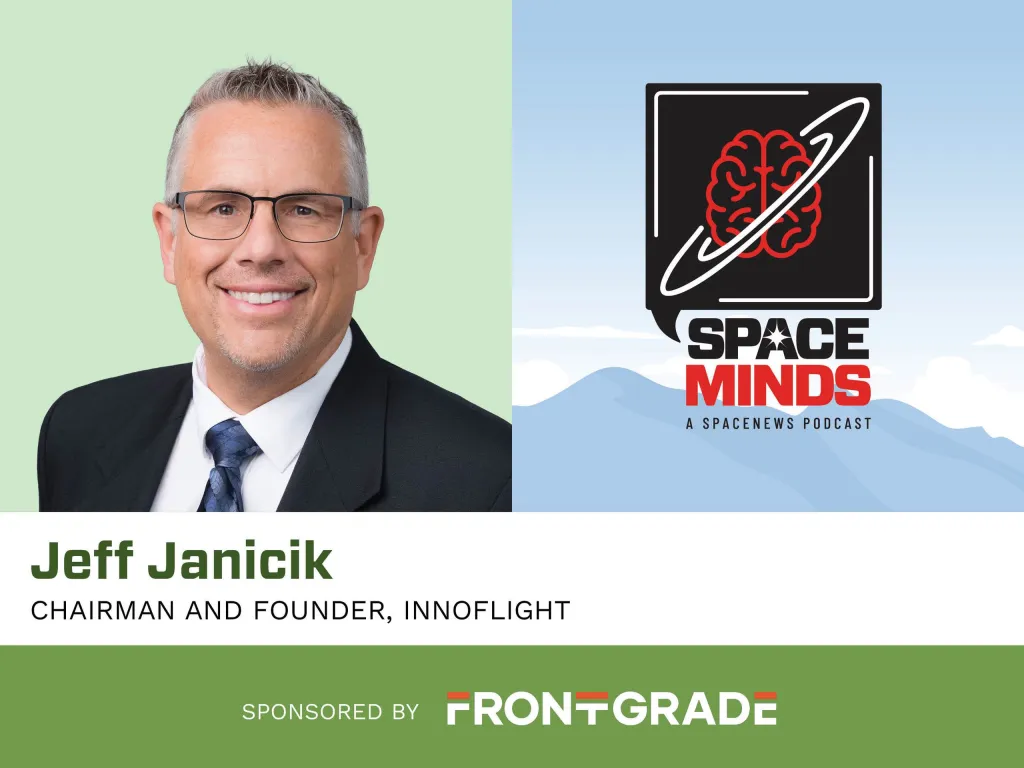
The Hardware Shift
As the orbital environment transitions from singular scientific platforms to dense, interconnected constellations, the internal architecture of satellite hardware is undergoing a fundamental recalibration. In a recent technical briefing via the Space Minds podcast, Jeff Janicik, founder and chairman of Innoflight, detailed the shifting requirements for the electronics powering next-generation space networking.
Scaling for the SDA
According to SpaceNews, a primary driver for this industrial evolution is the Space Development Agency (SDA). Working with the SDA requires a move away from bespoke, artisan-level manufacturing toward the production of high-volume, high-reliability components. This “big numbers” approach is essential for maintaining the Proliferated Warfighter Space Architecture, where networking resilience is derived from the sheer quantity of nodes.
From Golden Dome to Artemis
The technical demands span from low Earth orbit (LEO) to cislunar space. Janicik highlighted projects such as "Golden Dome" and the ongoing Artemis lunar missions as benchmarks for this hardware evolution. To meet these mission profiles, developers are prioritizing modular, scalable architectures. This allows for rapid iteration and the integration of advanced microelectronics that can survive the radiation hazards of deep space while maintaining the high-speed data processing necessary for modern mesh networks.
Mission Acceleration
Supporting this transition are established industry players like Frontgrade, which provides the RF systems and motion control hardware necessary to bridge the gap between legacy reliability and modern scalability. The objective remains clear: move critical computing capability to the mission edge faster, ensuring that the "electronics under the hood" can keep pace with the software-driven demands of the current space era.