GOLDEN DOME: CASH FLOWS TO ORBITAL DEFENSE CONTRACTORS AMID FUNDING FOG
Contractors report that funding for the Pentagon's 'Golden Dome' missile defense initiative is finally reaching programs for satellite sensors and interceptors, though fiscal uncertainty looms for 2027.
DATA FEED: ORBITAL DEFENSE STATUS
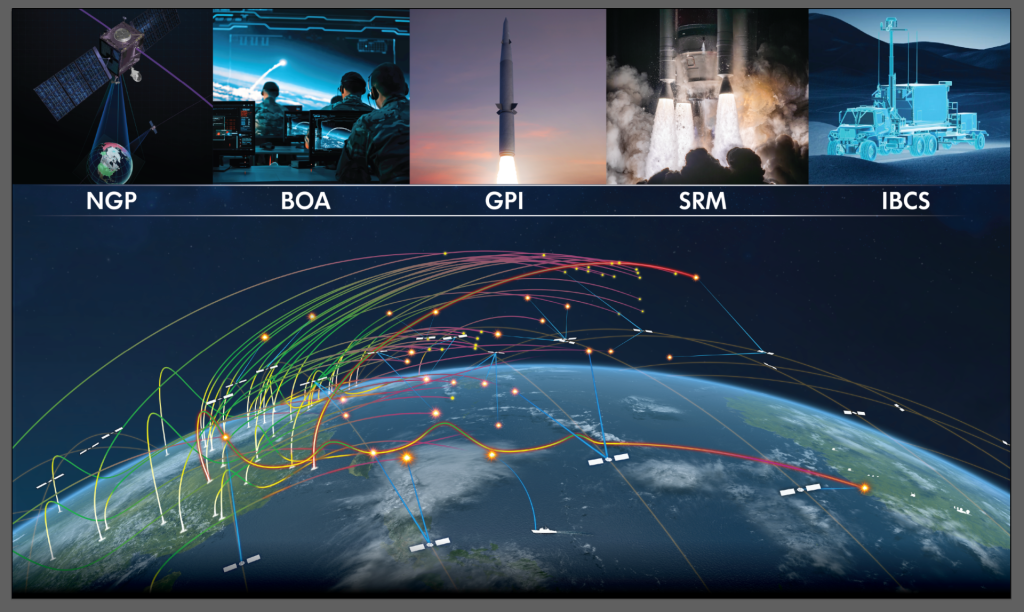
The Pentagon’s Golden Dome initiative—a multi-layered architecture designed to link space-based sensors, interceptors, and command systems—is finally seeing capital injection. According to SpaceNews, major defense contractors report that funding is transitioning from legislative approval to active contracts, despite lingering questions regarding long-term fiscal stability.
CONTRACTOR TELEMETRY
Executives from Northrop Grumman, Lockheed Martin, and L3Harris confirm that second-quarter fiscal cycles saw a significant opening of funds previously locked in budget reconciliation.
- Northrop Grumman: Utilizing funds for next-gen missile-warning satellites and hypersonic interceptors. They are currently teamed with Apex for space-based interceptor concepts.
- Lockheed Martin: Achieved a milestone test for a directed-energy system and is pursuing a 500-kilowatt transportable laser.
- Teledyne: Acting as a primary component supplier, providing mercury-cadmium-telluride infrared detectors across the architecture.
- L3Harris: Projecting a $9 billion pipeline linked to missile warning and classified space missions.
FISCAL VOLATILITY
While the 2025 reconciliation law provided roughly $24 billion for integrated air and missile defense, the FY2027 outlook remains precarious. The vast majority of the $17.5 billion request relies on separate reconciliation legislation, with only $400 million secured through regular defense appropriations.
OPERATIONAL FRICTION
Beyond funding, the program faces high classification barriers and administrative bottlenecks. KBR and Parsons report that staffing shortages in contracting offices and extreme secrecy are slowing the pace of implementation. Despite these hurdles, the industry is shifting toward mature technologies—tracking networks and ground-based interceptors—while speculative space-based interceptor constellations remain in the conceptual phase.