Gateway Pivot: Northrop and CSA Adapt Hardware for Lunar Surface
Northrop Grumman and the Canadian Space Agency are repurposing Gateway orbital technology for NASA’s accelerated lunar base plans, shifting focus to surface infrastructure and power.
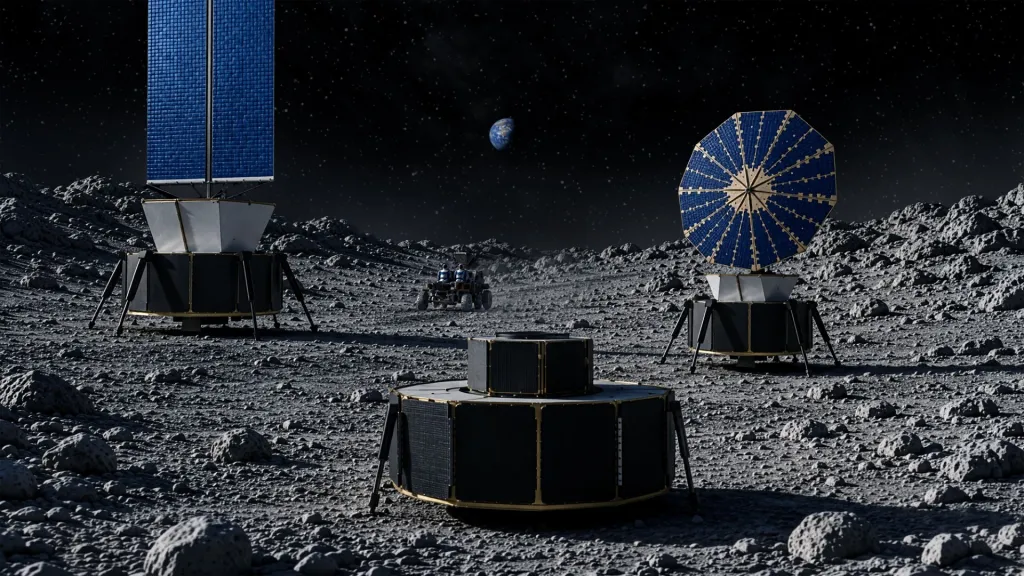
Strategic Realignment
In response to NASA’s shift from orbital-focused lunar strategies to surface-centric operations, Northrop Grumman and the Canadian Space Agency (CSA) have confirmed they are repurposing hardware originally designed for the Gateway outpost. According to SpaceNews, the transition aims to support the establishment of a permanent lunar base.
Infrastructure Deployment
Northrop Grumman plans to execute three Lunar Infrastructure Demo (LID) missions. These missions will utilize avionics and power systems derived from the Habitation and Logistics Outpost (HALO) module. The goal is to mature critical technologies—including thermal management, autonomous communications, and power interfaces—capable of surviving the lunar night.
NASA expects these payloads to be delivered via the Commercial Lunar Payload Services (CLPS) program. A Northrop spokesperson indicated the first LID flight is scheduled for Phase One of the Moon Base roadmap, concluding in 2029. While specific payloads and funding details remain under negotiation, NASA confirmed that these missions will provide the data necessary to scale persistent infrastructure near the lunar south pole.
Robotic Adaptation
Simultaneously, the CSA is revamping its contribution, the Canadarm3 robotic system. Initially intended for the Gateway station, the technology will now be adapted for lunar logistics and potential integration into commercial stations in Low Earth Orbit (LEO). MDA Space, the prime contractor for the project, is currently working with the CSA to redefine the technical requirements of the $717 million USD (1 billion CAD) contract.
This "pivot" highlights a broader industry movement to capitalize on the momentum of the Artemis surface campaigns. Despite previous technical hurdles, such as corrosion issues identified in HALO structures provided by Thales Alenia Space, Northrop and its partners continue to restructure existing contracts to align with NASA's revised mission architecture.