Galileo: Europe’s Sovereignty in Orbital Positioning
A new documentary from ESA explores the architectural evolution and strategic necessity of Galileo, Europe's independent global satellite navigation system.
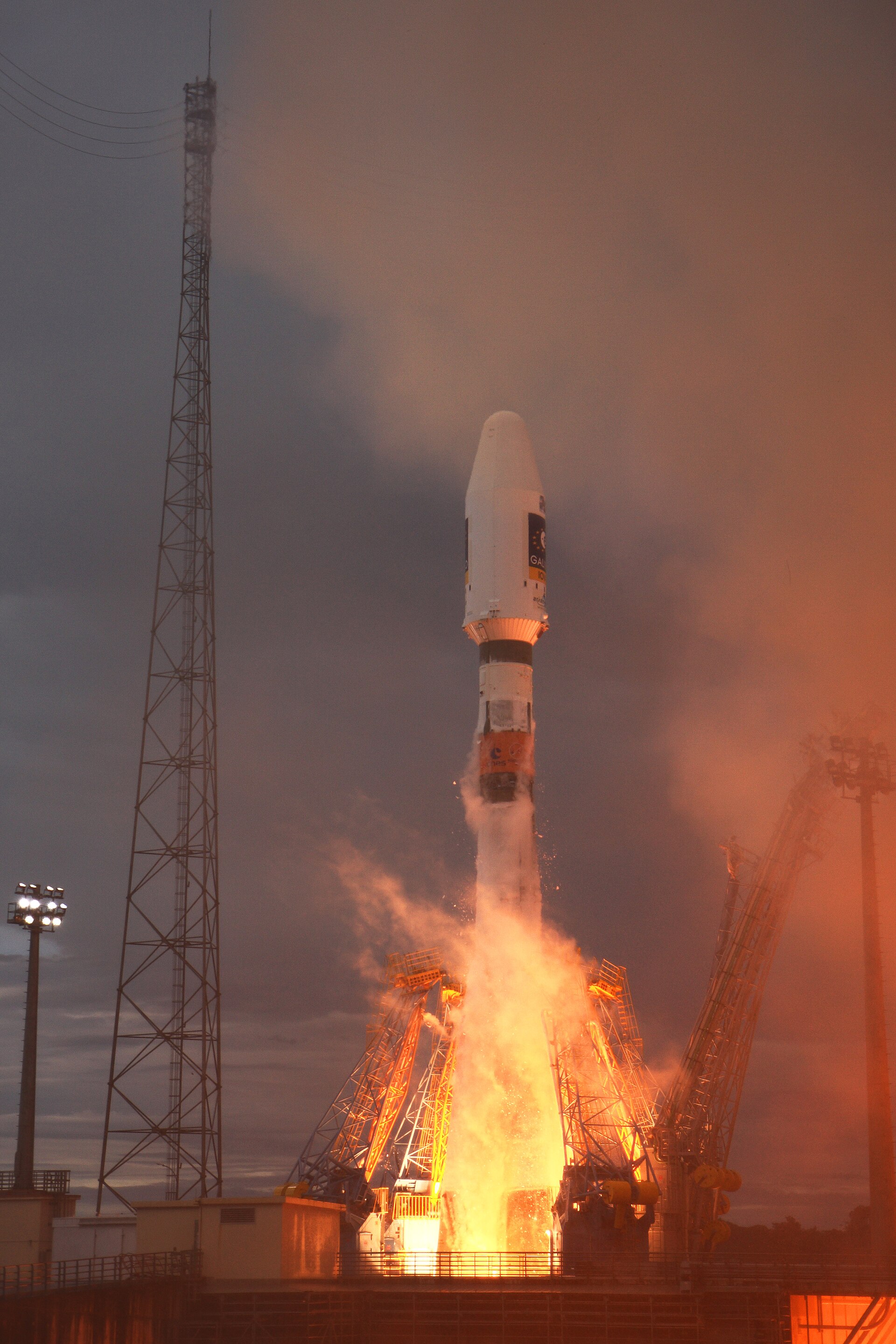
Operational Autonomy
Europe’s dependency on foreign navigation systems has concluded. According to an ESA YouTube documentary, the Galileo project represents a paradigm shift in European orbital infrastructure. Unlike the American GPS or Russian GLONASS—both born of military requirements—Galileo is the world’s first global satellite navigation system (GNSS) under civilian control.
Architectural Resilience
The technical specifications of the constellation are designed for high-precision synchronization. Operating from Medium Earth Orbit (MEO), the system utilizes a network of passive hydrogen maser clocks, ensuring timing accuracy within billionths of a second. This precision is not merely for terrestrial navigation; it serves as the backbone for international banking, telecommunications, and emergency response operations across the continent.
Strategic Imperative
The documentary highlights the critical transition from theoretical design to full operational capability. By maintaining its own constellation, the European Union ensures that its critical infrastructure remains functional even if external signals are throttled or encrypted. With 28 satellites currently in orbit and next-generation units in development, the program focuses on signal robustness and increased resistance to interference. This is not just a technological achievement; it is a declaration of strategic sovereignty in a contested orbital environment.