FROM RED PLANET TO PINT: MARS RESOURCE TECH OPTIMIZES BEER CARBONATION
Life-support technology originally engineered for Martian CO2 capture is now being deployed in breweries to recover and recycle gas, reducing environmental footprints on Earth.
# TERRESTRIAL SPINOFF: MARS MISSION TECH IN BREWING
Systems designed to sustain human life on the Martian surface are finding immediate application in the global beverage industry. According to NASA Breaking News, technology originally conceptualized for Resource Utilization on Mars is now being utilized by Earth-bound breweries to capture and recycle carbon dioxide.
THE MARS CONNECTION
For future crewed missions to the Red Planet, NASA identified the need for a Propellant Production Plant capable of pulling CO2 from the thin Martian atmosphere. This gas would then be converted into liquid oxygen and fuel. The engineering challenge required extreme efficiency in gas capture, compression, and purification—a trio of capabilities that mirrors the needs of the commercial brewing process.
INDUSTRIAL DEPLOYMENT
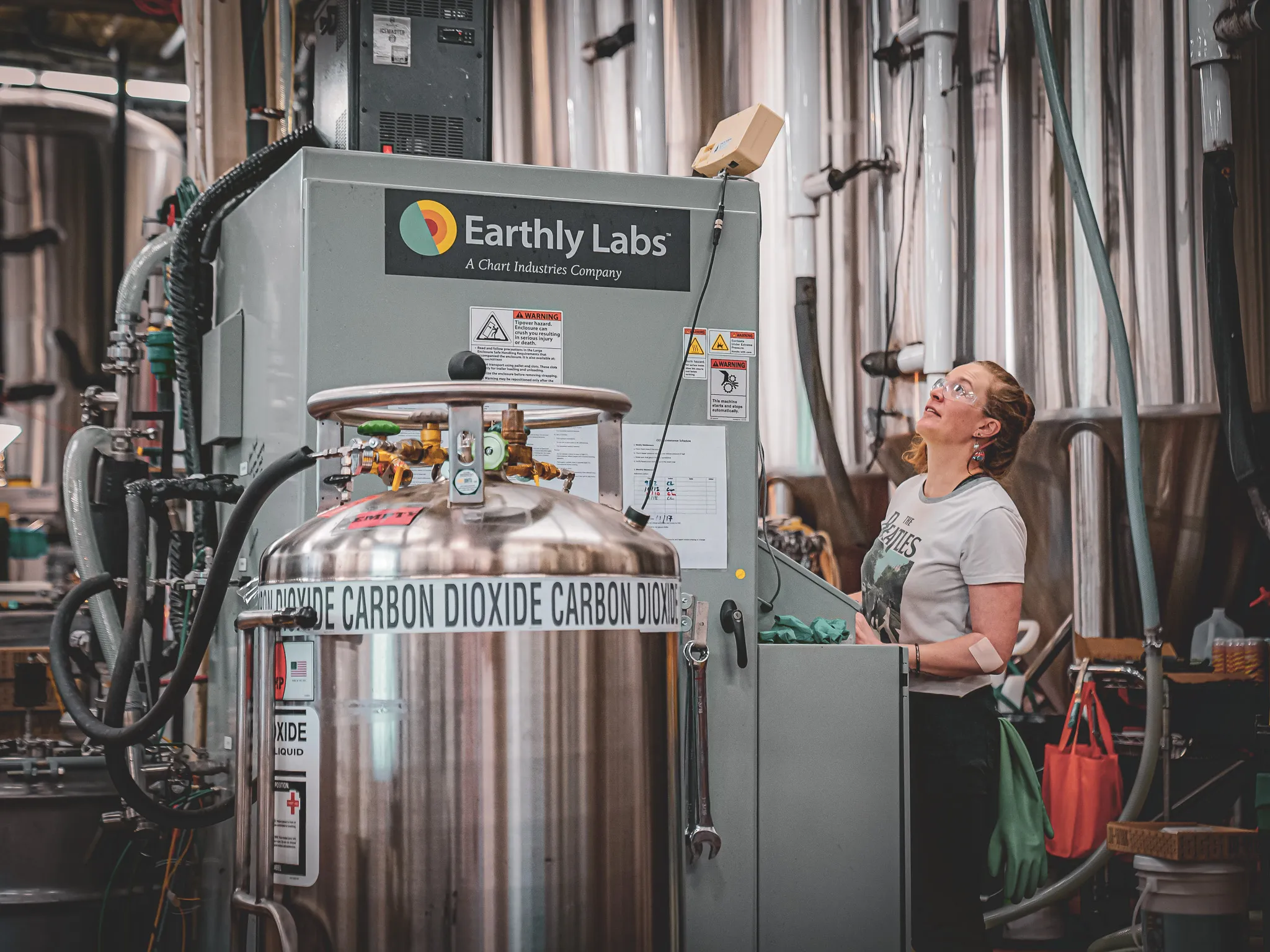
A startup founded by a former NASA engineer has commercialized this hardware. During the fermentation process, yeast naturally produces significant quantities of CO2. While large-scale breweries often have recovery systems, micro-breweries typically vent this gas into the atmosphere, later purchasing industrial-grade CO2 for carbonation and canning.
EFFICIENCY RATINGS
The NASA-derived technology allows craft breweries to close the loop. By capturing fermentation byproducts, these facilities can reduce their carbon footprint while ensuring high-purity gas for their products. The system compresses the captured gas into liquid form for storage, essentially functioning as a terrestrial localized resource recovery unit. This cross-sector innovation demonstrates how deep-space engineering requirements—where resources are finite—directly inform sustainability protocols for Earth’s atmospheric management.