Fortastra Secures $30M to Scale Orbital Defense Fleet
California-based Fortastra has closed a $30M Series A round to accelerate the development of security spacecraft capable of deterring adversarial threats in orbit.
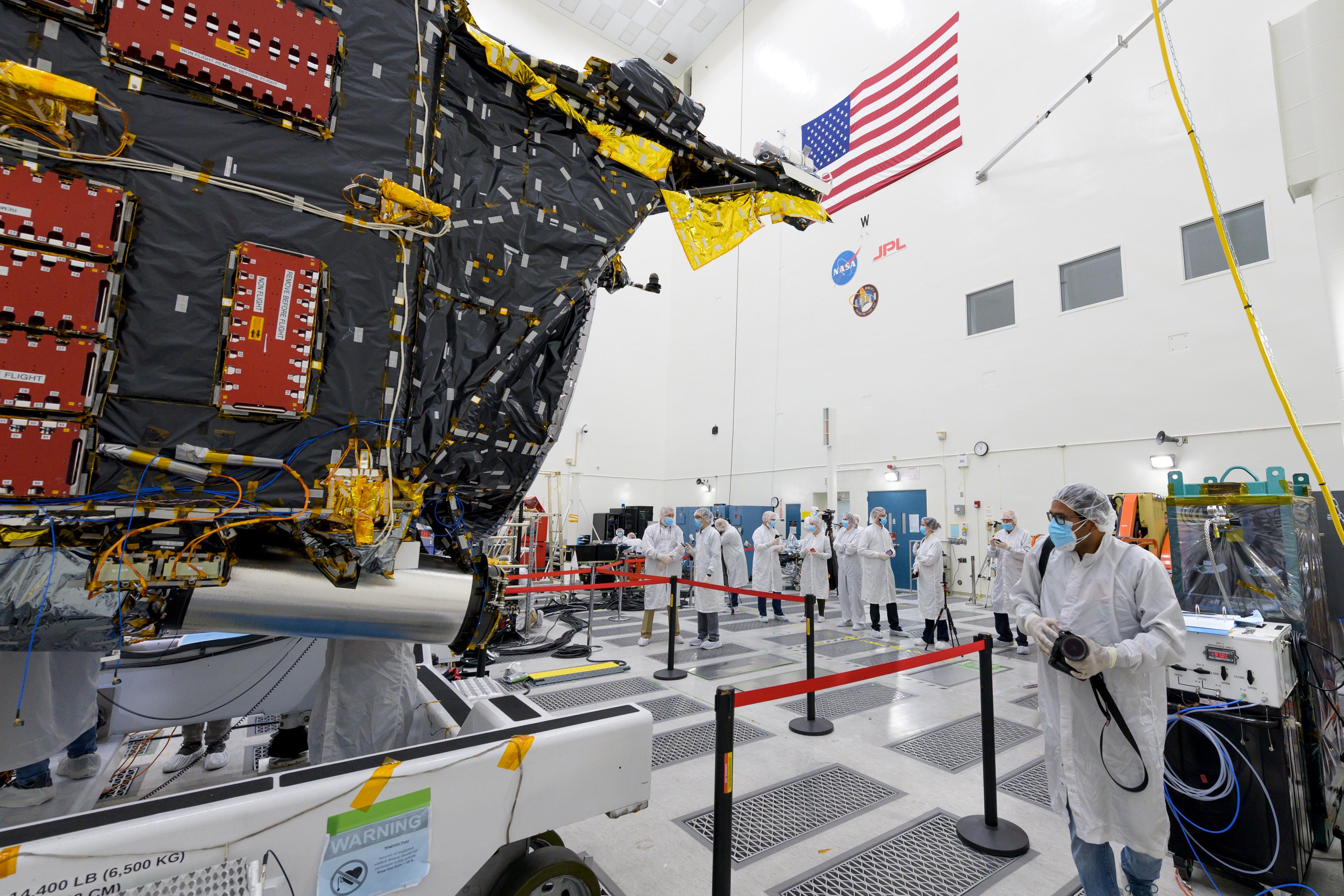
Operational Readiness: Escalation Management
Fortastra, a California-based orbital security firm, has secured $30M in Series A funding to address the hardening of space assets against adversarial interference. The round, led by First In with participation from Space Capital, Upfront, and others, signals a shifting tide in private investment toward active defense capabilities. According to Payload, the funding arrives as the Pentagon begins to declassify the existence of on-orbit weapons, creating a clearer regulatory and financial path for startups in the defense sector.
Technical Specifications
Since its 2025 inception, Fortastra has validated its hardware through two orbital demos, including a recent deployment on SpaceX’s Transporter-18 mission. The upcoming 2028 spacecraft iteration is designed to move beyond passive surveillance. Key system integrations include:
- Positioning Sensors: High-fidelity tracking of both allied and hostile assets.
- Agile Propulsion: High-thrust systems designed for maneuverability "without regret."
- Active Effectors: Payloads capable of deterring or neutralizing threats without resorting to high-debris kinetic solutions.
- Edge Autonomy: Onboard decision-making to minimize response latency.
Strategic Scaling
VP of Product Sahil Desai noted that the US military is seeking a hybrid architecture of "exquisite" government systems and low-cost commercial drones. Fortastra intends to leverage this funding to expand its engineering roster and manufacturing infrastructure. While current operations favor an annual launch cadence, the long-term roadmap targets the mass production of hundreds—potentially thousands—of security units per year to counter the rapid proliferation of orbital threats. For the Department of Defense, these assets represent a shift from orbital observation to active space control.