FLEX: Orbital Chlorophyll Fluorescence Tracking Confirmed
The European Space Agency’s FLEX mission is set to revolutionize vegetation monitoring by detecting the faint 'glow' of plant photosynthesis from orbit.
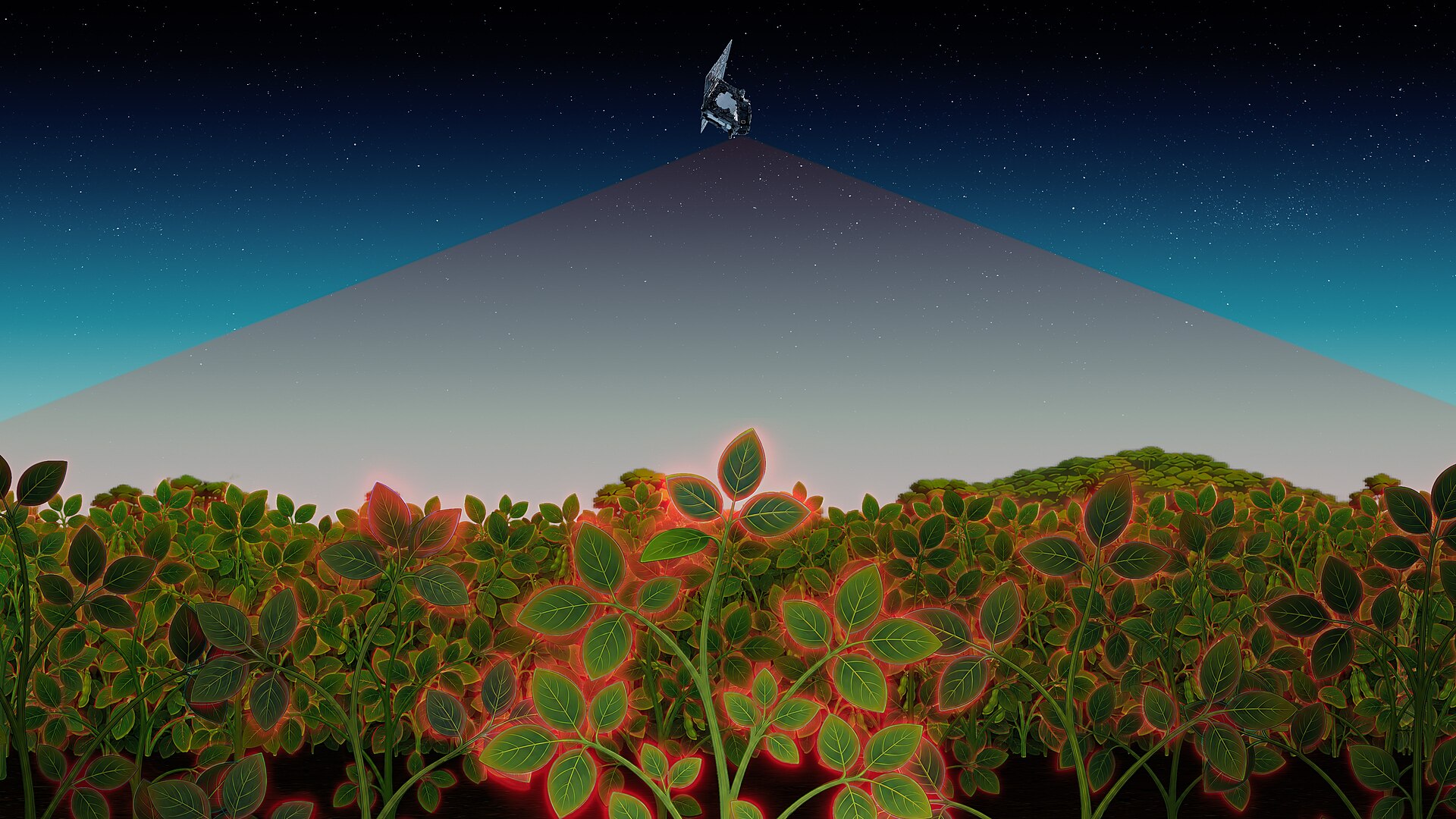
Photosynthetic Signal Detection
Traditional satellite monitoring focuses on the physical structure and greenness of vegetation. However, according to ESA YouTube, the upcoming Fluorescence Explorer (FLEX) mission will bypass these surface-level metrics to monitor the actual biological efficiency of Earth’s flora. By detecting a faint infrared signal known as chlorophyll fluorescence, FLEX will provide a direct measurement of photosynthetic activity.
The Mechanism of Fluorescence
During photosynthesis, plants absorb sunlight to convert water and carbon dioxide into energy. A fraction of this absorbed energy is not utilized and is instead re-emitted as a weak red and far-red glow. This emission is invisible to the human eye but contains vital data regarding the plant's metabolic health. As environmental stressors—such as drought or extreme heat—affect a plant, its fluorescence pattern shifts long before physical browning or wilting occurs.
Mission Objectives and Integration
FLEX will operate in tandem with the Copernicus Sentinel-3 mission. By combining the high-resolution fluorescence data from FLEX’s Floris spectrometer with the surface temperature and reflective data from Sentinel-3, researchers can build a comprehensive model of terrestrial carbon cycles. This orbital synergy allows for the early detection of crop failure and a deeper understanding of how vegetation responds to a changing climate.
Strategic Importance
Data gathered by FLEX will assist in optimizing agricultural yields and managing forest resources with unprecedented precision. The mission marks a shift from observing what plants look like to understanding how they are actually functioning. As global food security becomes a critical geopolitical pillar, the ability to monitor plant stress from the thermosphere provides Europe with a significant technological advantage in Earth observation.