Fission for the Moon: NASA Requests Nuclear Power Concepts
NASA and the Department of Energy are calling on private industry to design a 40-kilowatt fission surface power system to support long-term lunar operations and the Artemis missions.
CORE UPDATE
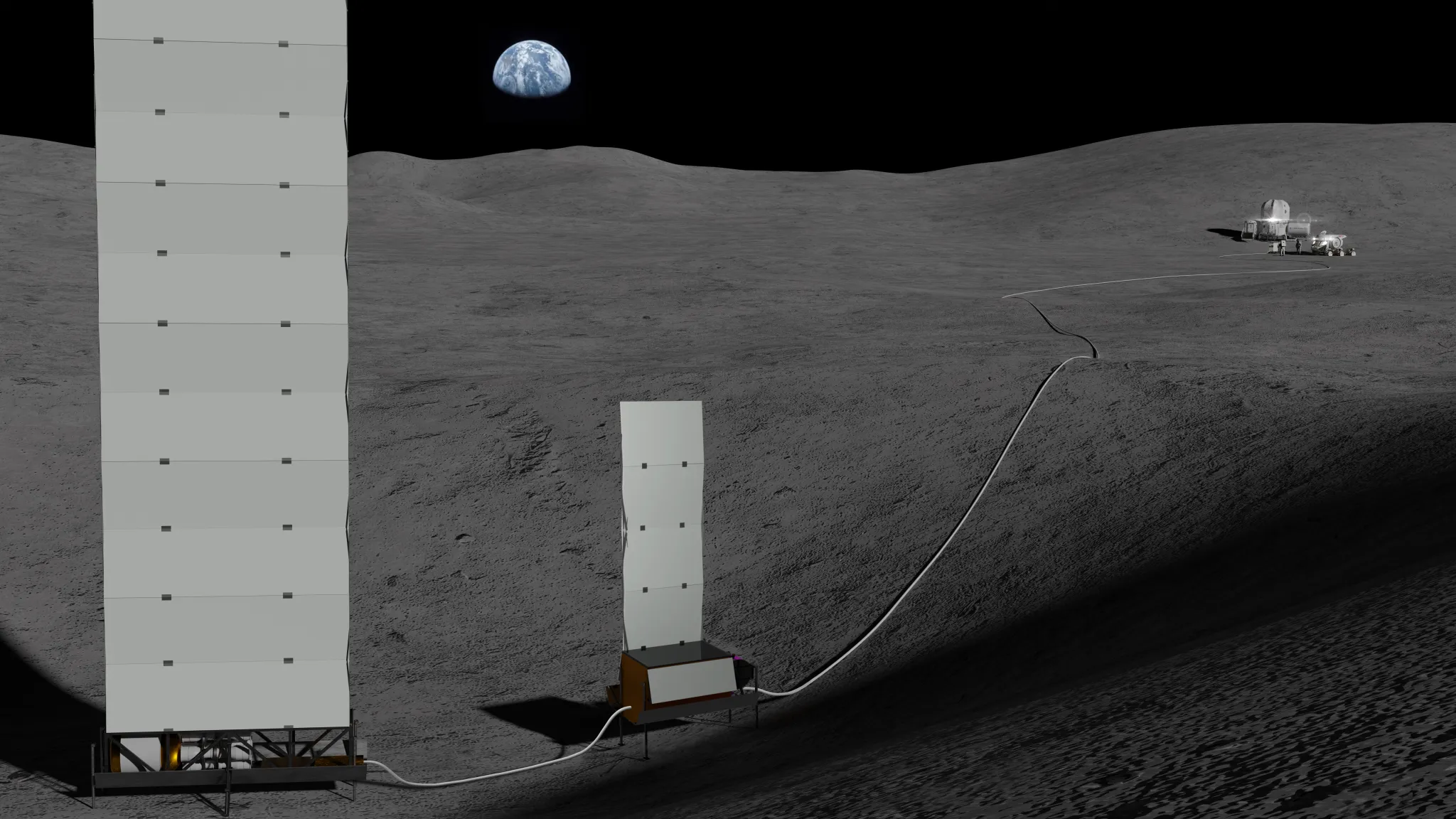
NASA is transitioning from solar-reliance to sustained nuclear capability for the lunar surface. According to NASA Breaking News, the agency—in collaboration with the Department of Energy (DOE)—is officially seeking industry partners to design a flight-ready fission surface power system. The objective is a robust energy source capable of operating in the permanent shadows of the lunar south pole and through the 14-day lunar night.
TECHNICAL PARAMETERS
The project demands a reactor capable of producing at least 40 kilowatts of continuous electrical power. For scale, this is sufficient to maintain a small lunar base or provide energy for critical life-support and scientific infrastructure. The system must be durable, with a projected operational lifespan of at least 10 years on the lunar surface. Key constraints include the ability to operate autonomously and fit within the payload fairings of commercial launch vehicles.
STRATEGIC OBJECTIVE
This initiative is a cornerstone of the Artemis program. By establishing a reliable power grid on the Moon, NASA aims to validate technologies necessary for the eventual human exploration of Mars. The solicitation focuses on the initial design phase, inviting commercial innovators to propose compact, lightweight, and resilient nuclear configurations that can survive the harsh vacuum and thermal extremes of the lunar environment. Preliminary contracts will focus on system design and development, bridging the gap between theoretical physics and off-world utility.
DATA SOURCE
Source: NASA Breaking News / Space Technology Mission Directorate.