Falcon 9 Rideshare Success Clouded by Growing Supply Fears
SpaceX successfully deployed 81 payloads via Transporter-17, but industry leaders warn of a 'panic' as the Falcon 9 manifest nears its end for external commercial customers.
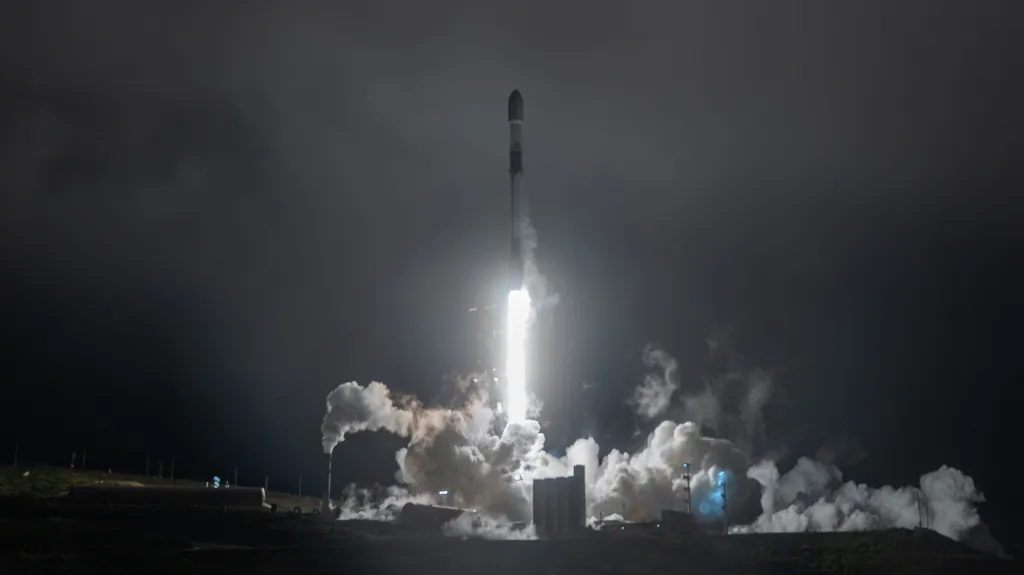
Mission Log: Transporter-17
SpaceX executed a successful launch of the Falcon 9 Transporter-17 mission on July 7, lifting off from Vandenberg Space Force Base at 03:12 EDT. The mission inserted 81 payloads into sun-synchronous orbit, serving a diverse mix of commercial and institutional clients. According to SpaceNews, the cargo included the 514-kilogram South Korean imaging satellite CAS500-4, alongside hardware from regular customers such as Iceye, Spire, and Axelspace.
Manifest Gridlock
Despite the operational success, the industry is bracing for a potential supply shock. Reports suggest SpaceX has stopped accepting Transporter reservations beyond 2028 or early 2029. With remaining slots nearly exhausted, aggregators like Exolaunch and SEOPS have begun purchasing dedicated Falcon 9 launches to bypass the tightening bottleneck.
The Starship Pivot
During the Spacetide conference in Tokyo, Rocket Lab CFO Adam Spice characterized the current sentiment among small-satellite operators as a “panic.” The central concern is that SpaceX is deprioritizing the merchant market to focus on internal manifests. As the company ramps up Starship operations, Falcon 9 availability is expected to decline.
SpaceX has yet to address these claims directly, maintaining in official webcasts that its rideshare programs continue to provide vital access for small-sat operators. However, competitors suggest the Falcon 9 will increasingly serve SpaceX’s own Starlink and data center initiatives, forcing commercial players to seek alternative launch providers for long-term security. This shift indicates that the era of cheap, frequent access via Falcon 9 rideshares may be entering its final phase.