Euclid Array Detects First Unknown Comet
The ESA's dark universe surveyor, Euclid, has unexpectedly identified a new comet, C/2026 S1, marking its first discovery of a solar system object while profiling the deep cosmos.
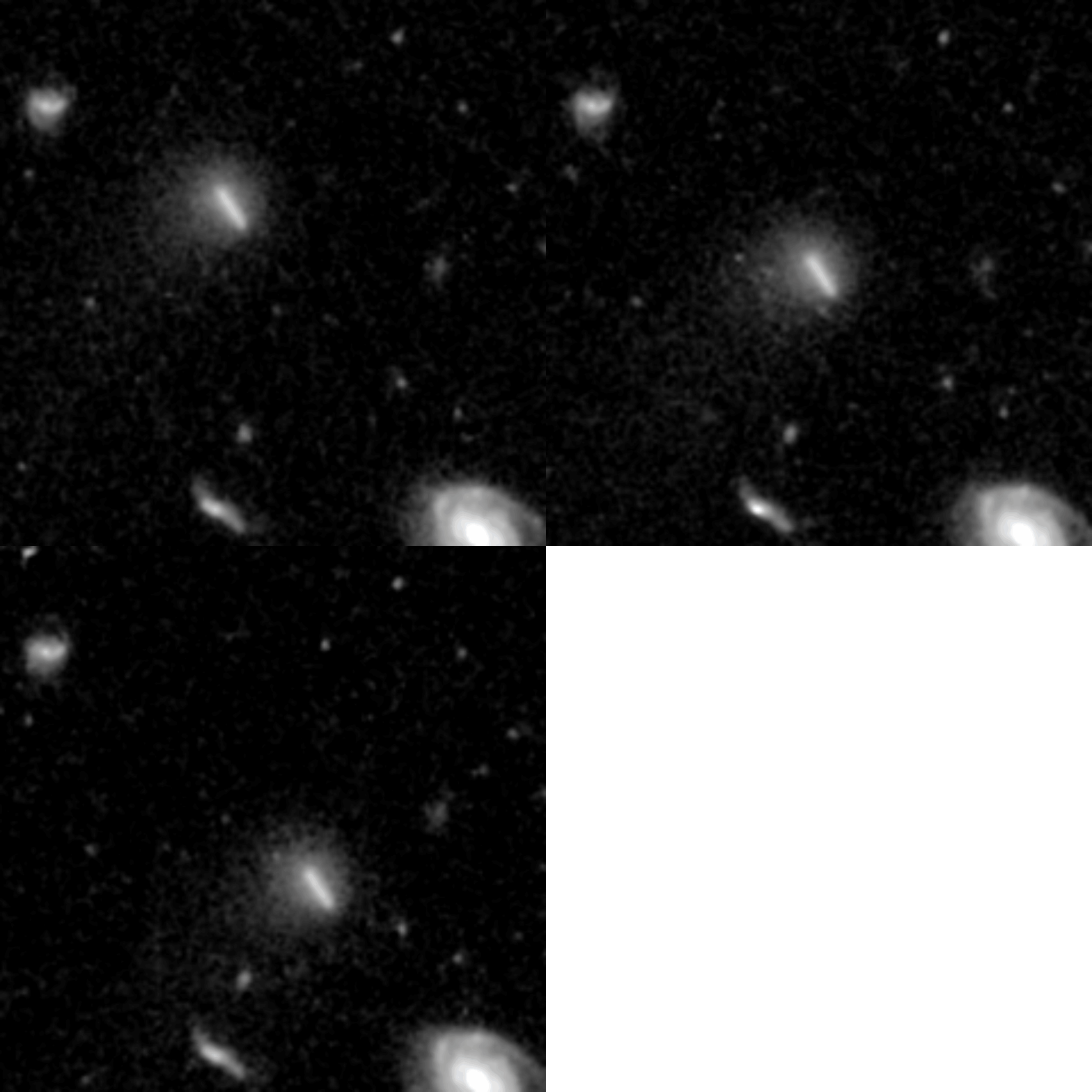
DATA ACQUISITION: C/2026 S1
European Space Agency (ESA) operatives have confirmed the discovery of a previously unknown celestial object by the Euclid space telescope. Designated C/2026 S1 (Euclid), the comet was captured during the telescope’s primary mission to map the large-scale structure of the universe and investigate the properties of dark matter and energy.
According to ESA, the discovery occurred as Euclid was conducting high-sensitivity surveys of the deep sky. While the instrument is optimized for distant galaxies, its wide-field imaging capabilities allow for the detection of high-velocity objects moving within our own solar system. The comet appeared as a distinct streak across the imaging sensors, distinguished from stationary stellar backgrounds by its trajectory and fuzzy coma.
MISSION DIVERSIFICATION
This find demonstrates the versatility of the Euclid platform. While its primary objective remains the three-dimensional mapping of the cosmos to understand the influence of dark energy, the mission is proving adept at secondary planetary science. The detection of C/2026 S1 provides critical telemetry regarding the distribution of icy bodies in the outer reaches of the solar system.
Technical analysis of the comet’s orbital path is ongoing. ESA scientists indicate that this discovery is likely the first of many, as the telescope continues to scan vast swathes of the sky with unprecedented resolution. The mission remains a cornerstone of European space capability, bridging the gap between local solar system dynamics and the ultimate fate of the universe.