ESA Transitions to Next-Gen Optical Communications
The European Space Agency is moving beyond traditional radio frequency constraints, initiating a fundamental shift toward optical laser communication for deep space telemetry.
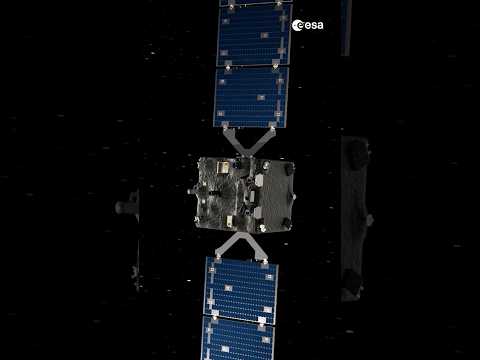
Protocol Shift: From Radio to Laser
The European Space Agency (ESA) has signaled the beginning of a major transition in how orbital and deep-space assets transmit data back to Earth. According to reports from the ESA YouTube channel, the agency is officially moving into a new phase of space mission communication, prioritizing high-bandwidth optical links over traditional radio frequency (RF) systems.
The Bandwidth Bottleneck
For decades, space exploration has relied on S-band and X-band radio waves. While reliable, these frequencies face physical limitations in data throughput as sensor resolutions and scientific payloads become more demanding. The transition to optical communication—using infrared lasers—allows for data rates up to 10 to 100 times higher than current standards. This shift is essential for the next generation of lunar and Martian exploration, where high-definition video feeds and massive geological datasets are expected to be the norm.
Operational Implications
This "new chapter" involves the deployment of specialized ground stations and satellite terminals capable of precise laser pointing across thousands of kilometers. By utilizing the higher frequency of light, ESA aims to reduce the size, weight, and power (SWaP) requirements of communication hardware on spacecraft while simultaneously increasing the volume of science returned to terrestrial researchers. This move ensures that European infrastructure remains at the forefront of the international space data relay network.