ESA Personnel Decipher Rocket Acoustics Through Vocal Simulation
A study in acoustic perception at the European Space Agency reveals how personnel internalize the auditory signatures of heavy lift vehicles.
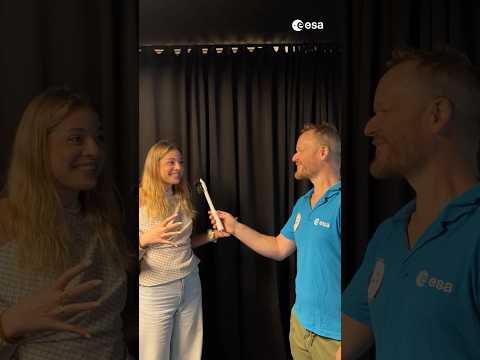
Acoustic Profiling at ESA
Recent data emerging from the European Space Agency (ESA) headquarters indicates an informal yet revealing investigation into the human perception of propulsion systems. According to ESA YouTube, staff members were polled to provide vocal approximations of the acoustic signatures generated during orbital insertion procedures.
While the physics of a rocket launch involves complex gas dynamics and supersonic flow, the internal perception of these events among agency professionals appears to be deeply ingrained. The responses collected range from low-frequency guttural reverberations to high-frequency aerodynamic hissing, reflecting the diverse stages of flight—from ignition to atmospheric exit.
The Human Element in Propulsion
Translating the raw power of a liquid-fuel engine into human phonetics serves as a reminder of the visceral nature of spaceflight. Data indicates that even within a highly technical environment, the raw sensory impact of a launch remains a primary point of connection between the engineers and the hardware. The exercise highlights the contrast between precise telemetry data and the subjective experience of those overseeing European access to space. As the agency continues its transition toward the next generation of heavy-lift vehicles, these internal perceptions underscore the cultural significance of the 'sound of progress' within the European space sector.