ESA Charts Strategic Autonomy for Next-Gen Exploration
The European Space Agency evaluates its position in the global lunar and Martian race, prioritizing independent logistics and industrial sovereignty.
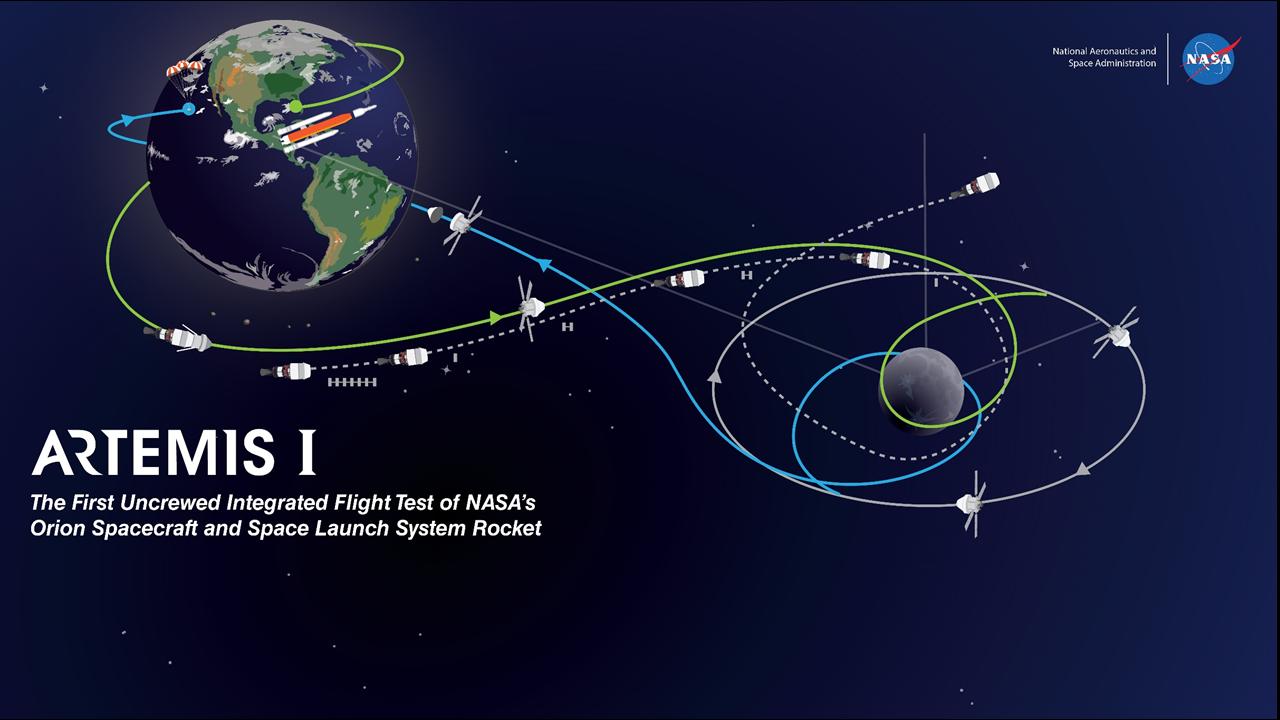
Mission Parameters: European Autonomy
The European Space Agency (ESA) is currently redefining its operational doctrine for the upcoming era of extraterrestrial activity. According to reporting by ESA YouTube, the agency is moving beyond its traditional role as a high-tier contributor toward a more structurally independent presence in Earth orbit and deep space.
Strategic Objectives
Central to this shift is the question of European sovereignty in space logistics. Historically, ESA has relied on international partnerships—most notably with NASA—to secure crew transit and heavy-lift capabilities. As the global space economy transitions toward the lunar surface and eventual Martian transit, European leadership is weighing the necessity of proprietary transport systems to ensure uninterrupted access to strategic assets.
Industrial and Geopolitical Logic
The agency’s current posture emphasizes that Europe must be a "partner of choice" rather than a junior associate. This involves leveraging existing successes, such as the Service Module for the Orion spacecraft, while expanding domestic capabilities in telecommunications and navigation infrastructure (Moonlight program). The objective is to secure a decisive share of the lunar economy, ensuring that European industry remains competitive as space becomes a congested geopolitical frontier. ESA’s trajectory indicates that staying relevant requires more than scientific contribution; it requires the infrastructure of exploration.