ESA AUTHORIZES HIBIDIS AND SOVA-S SCOUT MISSIONS
The European Space Agency has greenlit two low-cost Scout missions, HiBiDiS and SOVA-S, designed for rapid deployment and focused Earth observation objectives.
DATA OVERRIDE: LOW-COST ORBITAL DEPLOYMENT
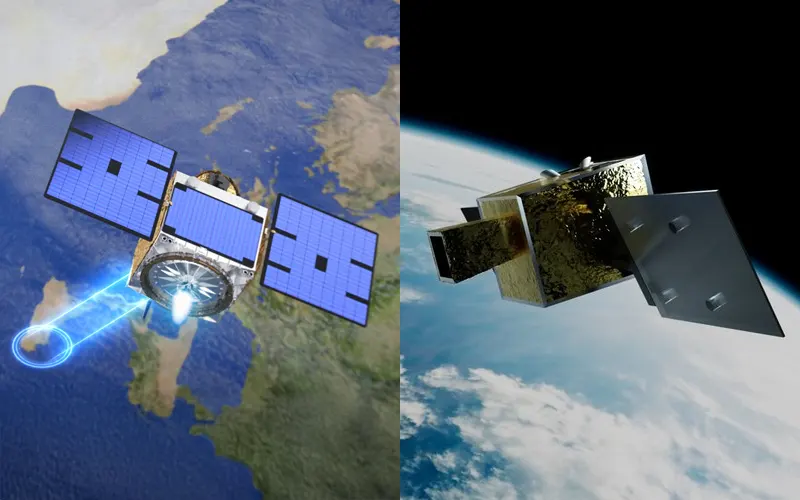
The European Space Agency (ESA) has officially authorized two new Earth observation missions under its "Scout" program: HiBiDiS and SOVA-S. According to European Spaceflight, this mission class is engineered for high-speed development cycles and strict fiscal discipline. Each mission is mandated to transition from concept to launch within a three-year window, operating under a firm budget ceiling of €35 million.
MISSION PROFILE: SOVA-S
The Sun-Photometer-based Observations of Volcanoes and Aerosols in the Stratosphere (SOVA-S) mission utilizes a 12U CubeSat platform. Its primary objective is the quantification of volcanic sulfur dioxide and aerosol concentrations within the stratosphere. By monitoring these variables, SOVA-S will provide critical data on atmospheric climate forcing and Earth’s radiative balance. The hardware will be managed by a consortium led by the Royal Belgian Institute for Space Aeronomy (BIRA-IASB).
MISSION PROFILE: HIBIDIS
The High-speed Bidirectional Digital Spectrometer (HiBiDiS) mission focuses on terrestrial surface dynamics. It is designed to capture high-resolution imagery of vegetation and soil, specifically analyzing the bidirectional reflectance distribution function (BRDF). This data is vital for mapping land-use changes and assessing global food security. The mission is spearheaded by the French aerospace lab ONERA.
STRATEGIC ALIGNMENT
These Scout missions represent ESA’s shift toward "New Space" methodologies—prioritizing agility and cost-efficiency over the decade-long development cycles typical of larger Earth Explorer programs. By leveraging miniaturized sensors and standardized satellite buses, the agency aims to deliver targeted science at a fraction of traditional costs.