Entry, Descent, Landing: NASA Langley’s Infrastructure for Mars
NASA’s Langley Research Center remains the bedrock of Martian exploration, providing the critical Entry, Descent, and Landing (EDL) systems that allow hardware to survive atmospheric interface.
HARDWARE INTEGRITY
The survival of assets arriving at the Red Planet is not a matter of luck, but of thermal and aerodynamic engineering. According to NASA Breaking News, the Langley Research Center in Hampton, Virginia, has established itself as the primary architect for Mars’ most dangerous operational phase: Entry, Descent, and Landing (EDL).
ATMOSPHERIC INTERFACE
Martian atmospheric entry occurs at velocities exceeding 19,000 kilometers per hour. Langley's contributions center on the development of heat shields and aerodynamic decelerators. Engineers utilize advanced wind tunnels and computational fluid dynamics to model the "Seven Minutes of Terror"—the time it takes for a spacecraft to travel from the top of the atmosphere to the surface without manual intervention.
DATA-DRIVEN LANDINGS
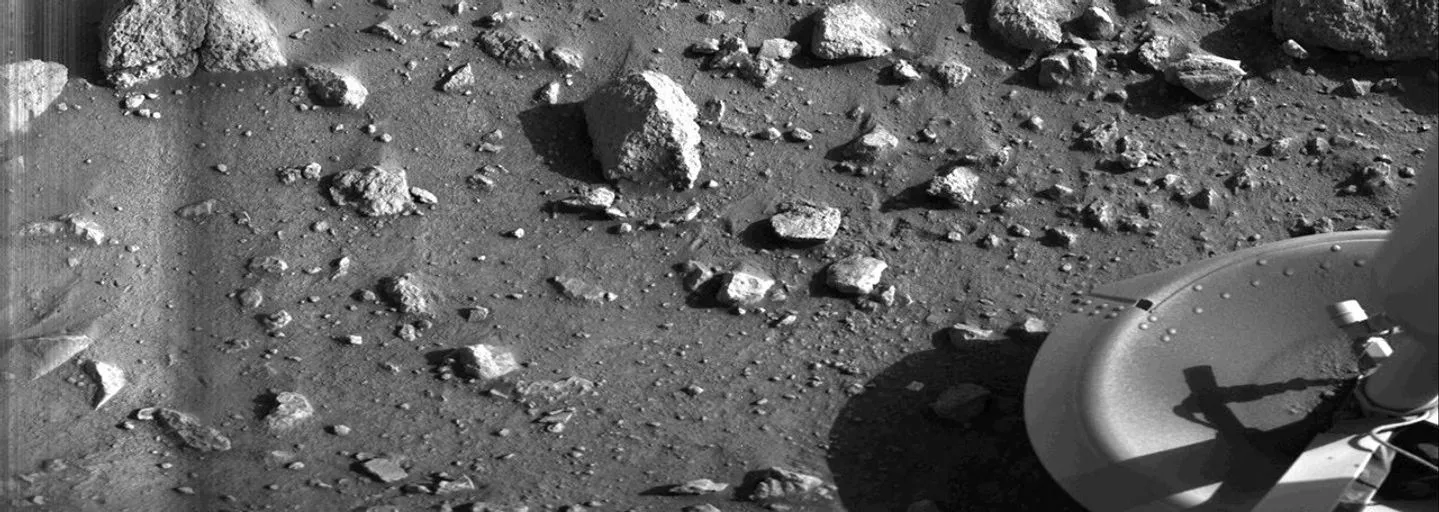
From the Viking missions in the 1970s to the current Perseverance rover, Langley’s fingerprints are on every successful touchdown. Key developments include:
MEDLI/MEDLI2: Instrumentation suites embedded in heat shields to collect pressure and temperature data during descent.
Parachute Dynamics: Design and testing of supersonic chutes capable of deploying under extreme aerodynamic loads.
* Terrain-Relative Navigation: Software and sensor integration allowing rovers to avoid hazards in real-time.
SYSTEM VERIFICATION
Before hardware leaves Earth, Langley subjects it to rigorous structural analysis. The facility’s ability to simulate the punishing Martian environment ensures that the thin atmosphere acts as a braking mechanism rather than a destructive force. As mission complexity increases, these Hampton-based laboratories remain the final gatekeepers for planetary surface access.