ENSO ANOMALY: PACIFIC MARINE ECOSYSTEMS DISRUPTED
New data confirms that the El Niño-Southern Oscillation is causing significant shifts in Pacific marine life. Warm surface waters are suppressing nutrient-rich upwelling, leading to a drastic decline in phytoplankton and threatening regional food chains.
# BIOSIGNATURE DECAY IN PACIFIC BASIN
Recent data analysis confirms that the El Niño-Southern Oscillation (ENSO) is triggering significant systemic alterations in the Pacific Ocean's biological output. According to NASA Breaking News, the phenomenon is characterized by a sustained increase in sea surface temperatures, which effectively restructures the aquatic food web from its foundation.
Nutrient Suppression
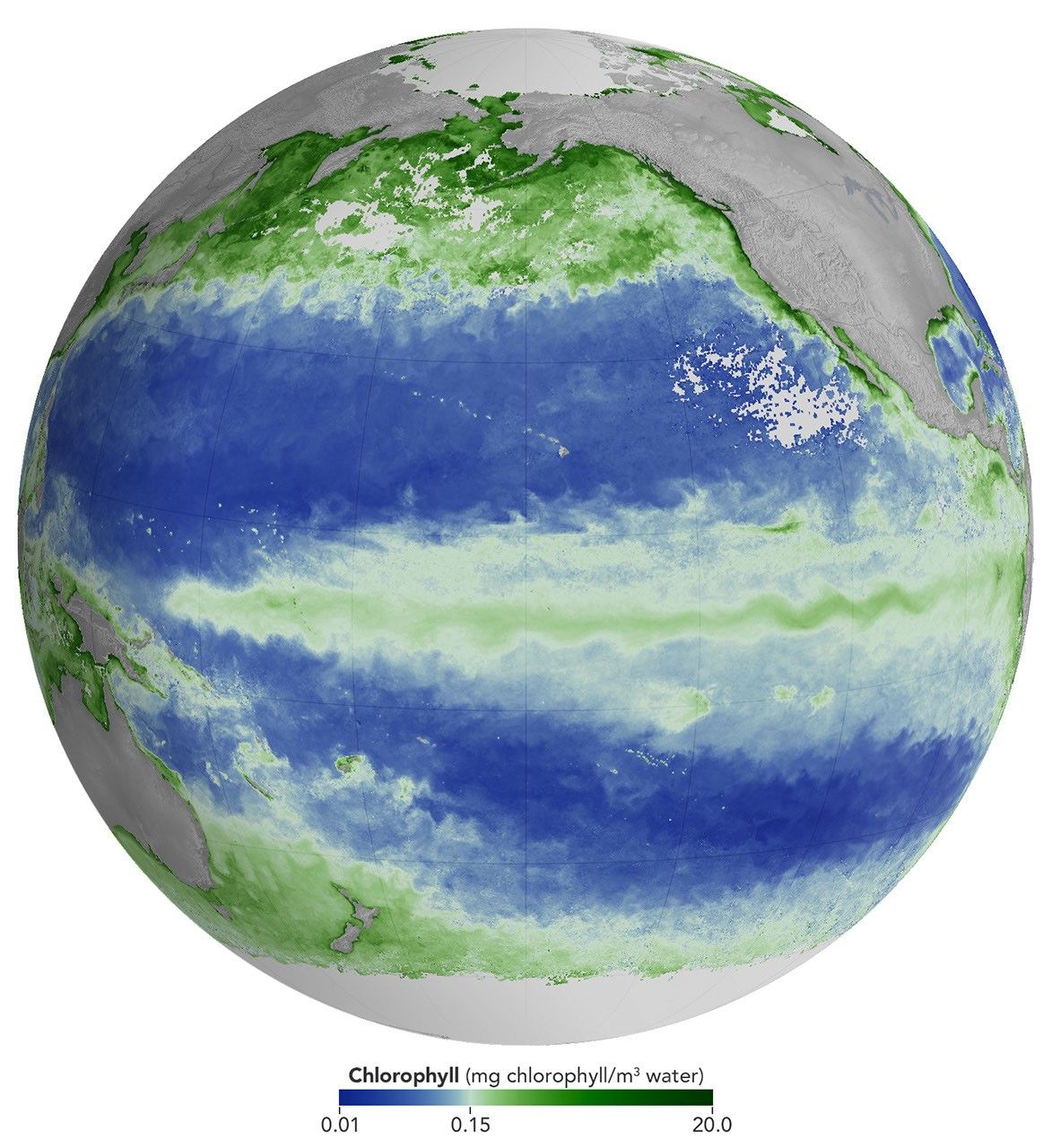
Under nominal conditions, trade winds drive the upwelling of cold, nutrient-dense water from the deep ocean to the surface. This process fuels the growth of phytoplankton, the primary producers of the marine environment. During an El Niño event, these winds weaken. The thermal barrier prevents deeper, colder water from reaching the surface, starving the photic zone of essential nutrients. Satellite observations show a corresponding drop in chlorophyll concentrations, signaling a sharp decline in phytoplankton biomass.
Trophic Cascades
The ripple effect of this primary production collapse is documented across multiple species. With the base of the food chain compromised, higher trophic levels—including commercially critical fish stocks and marine mammals—face severe caloric deficits. Data indicates that these species are forced to migrate to cooler, nutrient-rich waters or suffer population decline due to starvation.
Orbital Monitoring
NASA’s Earth Observatory remains the primary sensor array for tracking these fluctuations. By measuring ocean color and temperature from orbit, scientists can map the extent of the biological "desertification" caused by these thermal anomalies. These datasets are vital for predictive modeling of global climate trends and the long-term stability of planetary biomass.
Monitoring of these feedback loops continues as the current cycle progresses.