Dual-Payload Deployment: ESA Validates Multi-Satellite Launch Capability
A recent mission profile highlights the efficiency of European launch vehicles in deploying multiple payloads simultaneously, optimizing orbital logistics and operational costs.
Orbital Logistics Shift
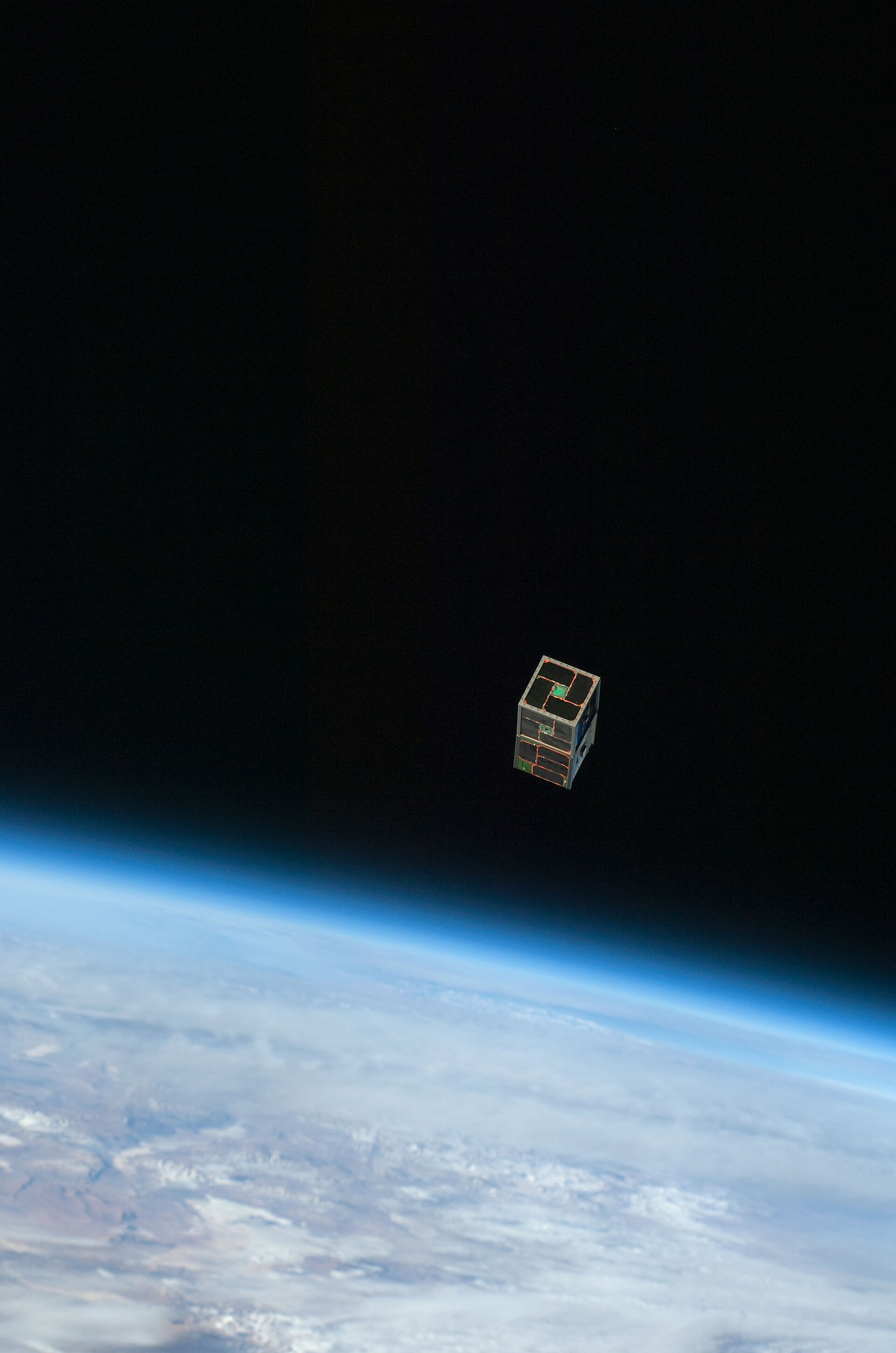
According to the ESA YouTube channel, the European Space Agency is prioritizing high-efficiency mission profiles by utilizing a single launch vehicle to deliver two distinct satellites into orbit. This strategic approach to orbital deployment emphasizes the increasing reliability and lift capacity of current European heavy-lift architecture. By stacking payloads, the agency reduces the per-kilogram cost of orbital insertion while maximizing the utility of available launch windows.
Technical Execution
The deployment process involves sophisticated payload fairing configurations, allowing two spacecraft to share a singular ride to the thermosphere. Once the primary stage completes its burn, the satellites are released in a calculated sequence to ensure trajectory separation and prevent orbital collision. This simultaneous deployment method is crucial for replenishing constellations or launching synergistic scientific missions that require synchronized orbital positioning.
Operational Efficiency
Moving forward, the integration of multiple satellites on a single rocket serves as a benchmark for European space logistics. As competition in the global launch market intensifies, the ability to execute dual-payload missions reliably positions Europe as a primary hub for international satellite operators looking for cost-effective access to space. The successful execution of these missions reflects years of refinement in fairing separation technology and payload management systems.