Dual Deployment: FLEX and Sentinel-3C Prepared for Vega-C Integration
ESA mission control completes critical simulations for the upcoming tandem launch of the FLEX fluorescence mapper and Copernicus Sentinel-3C aboard the Vega-C rocket.
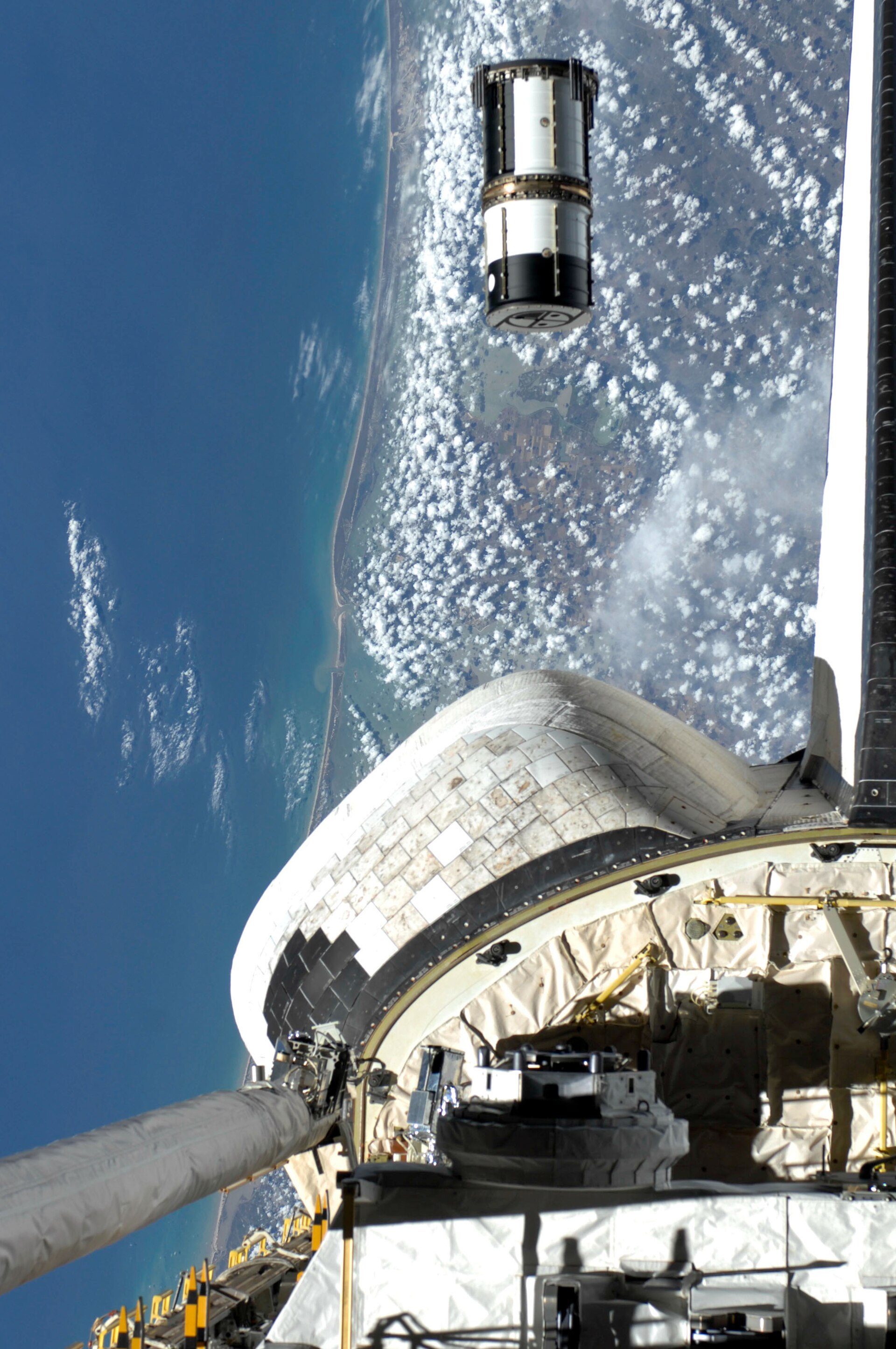
Mission Status: Pre-Launch Readiness
Preparation for the dual deployment of the Fluorescence Explorer (FLEX) and Copernicus Sentinel-3C has entered its final phase. According to ESA, mission control teams at ESOC have successfully concluded a series of intensive Launch and Early Orbit Phase (LEOP) simulations, verifying the ground segment's ability to handle the simultaneous management of two distinct payloads.
Payload Overview
1. FLEX (Fluorescence Explorer): Designed to map global vegetation health, this mission will detect the faint glow emitted by plants during photosynthesis. This data is critical for understanding the terrestrial carbon cycle.
2. Sentinel-3C: Part of the Copernicus program, this satellite ensures data continuity for sea-surface topography, sea- and land-surface temperature, and ocean color monitoring.
Orbital Logistics
The mission will utilize the Vega-C launch vehicle. The flight profile is uniquely complex, requiring the upper stage to execute precise maneuvers to deploy both satellites into their respective operational orbits. This tandem launch represents a significant optimization of European launch capacity, combining a scientific Earth Explorer mission with an operational Copernicus unit.
According to ESA mission directors, the recent simulations at the European Space Operations Centre focused on emergency contingencies and the distinct separation sequences for each craft. With ground systems validated and the satellites integrated, the mission is now cleared for its final countdown at Europe’s Spaceport in French Guiana. Success will provide European scientists with unprecedented resolution in plant physiological monitoring while maintaining the integrity of the Copernicus global environmental data stream.