DEORBIT SEQUENCE INITIATED: SENTINEL-1A RETIREMENT BEGINS
The European Space Agency has officially triggered the end-of-life protocol for Sentinel-1A, the veteran radar satellite that pioneered Europe’s Copernicus Earth observation program.
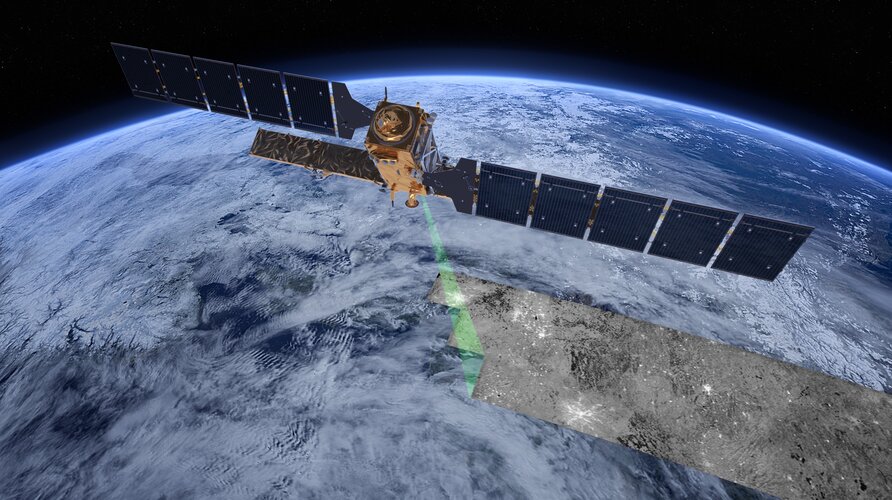
Mission Termination Protocol
The European Space Agency (ESA) has confirmed the commencement of deorbiting procedures for Sentinel-1A. After a decade of operational excellence in Earth observation, the satellite is transitioning from active duty to atmospheric re-entry mode. The decision marks the conclusion of the first chapter in the Copernicus program’s Synthetic Aperture Radar (SAR) mission.
Operational History
Launched in April 2014, Sentinel-1A was the precursor to a new era of all-weather, day-and-night terrestrial monitoring. According to ESA records, the satellite has provided critical data for disaster response, maritime surveillance, and climate change tracking. Its C-band radar has been instrumental in mapping floods, monitoring sea-ice thickness, and detecting land subsidence with millimetric precision.
Deorbiting and Space Sustainability
In alignment with ESA’s Zero Debris policy, the agency has initiated a controlled descent. The mission control team at ESOC in Darmstadt will execute a series of orbital maneuvers to lower the satellite's altitude. The protocol ensures that Sentinel-1A will safely burn up in the Earth's atmosphere, mitigating the risk of long-term orbital clutter. This move reinforces Europe's commitment to sustainable space operations as the mission hands over full operational responsibility to its successors, ensuring no gap in the vital data streams relied upon by researchers and emergency services worldwide.