DAVINCI Descent Sphere: Venus Atmosphere Hardening Complete
NASA engineers have successfully tested the DAVINCI probe's descent sphere, confirming the titanium structural integrity required to survive the corrosive, high-pressure atmosphere of Venus.
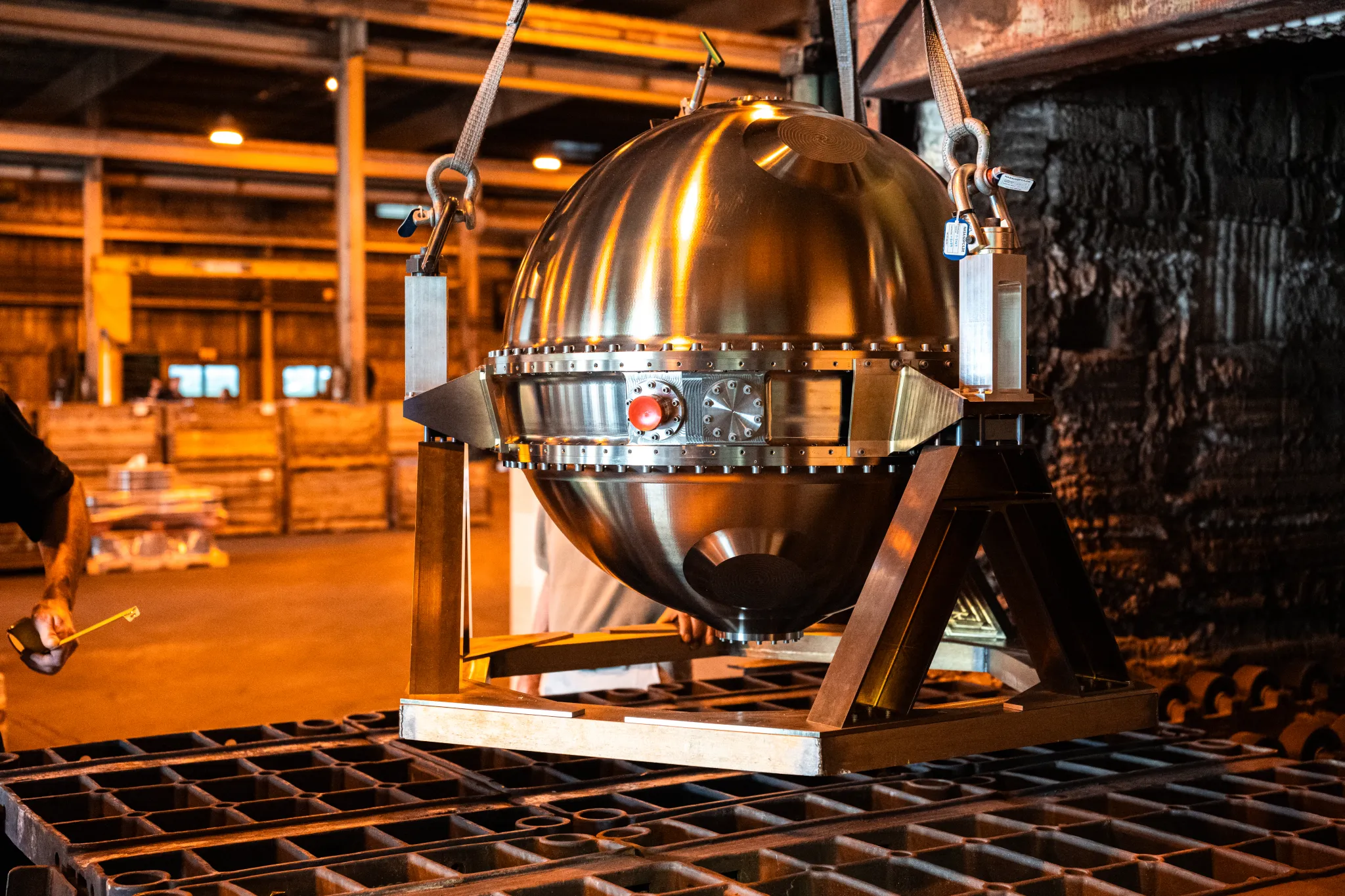
Operational Status: Venus Inbound
Engineering teams have finalized stress testing on the structural core of the Deep Atmosphere Venus Investigation of Noble gases, Chemistry, and Imaging (DAVINCI) mission. The descent sphere, a titanium pressure vessel designed to withstand the hellish environment of the Venusian atmosphere, has met all durability benchmarks.
Environmental Resilience
According to NASA Breaking News, the probe is engineered to survive a descent through sulfuric acid clouds and extreme thermal gradients. Surface conditions on Venus involve atmospheric pressures 90 times greater than Earth’s and temperatures peaking near 470°C (880°F). The DAVINCI sphere acts as a fortified shell, protecting sensitive analytical instrumentation during its hour-long plunge to the Alpha Regio highlands.
Mission Objectives
Data acquisition will focus on high-resolution imaging and chemical sampling of the atmosphere. The objective is to determine if Venus ever hosted liquid water oceans and to identify the chemical processes driving its runaway greenhouse effect. Once the probe breaches the lower atmosphere, it will capture the first high-contrast images of the planet's "tesserae"—rugged geological formations that may be analogous to Earth's continents.
Technical Specifications
- Material: Aerospace-grade Titanium
- Profile: Spherical pressure vessel for uniform stress distribution
- Payload: Noble gas mass spectrometer, tunable laser spectrometer, and atmospheric sensors
- Target: Alpha Regio complex
The successful validation of the descent sphere ensures that the mission remains on track for its launch window later this decade, marking a significant return to the Venusian surface.